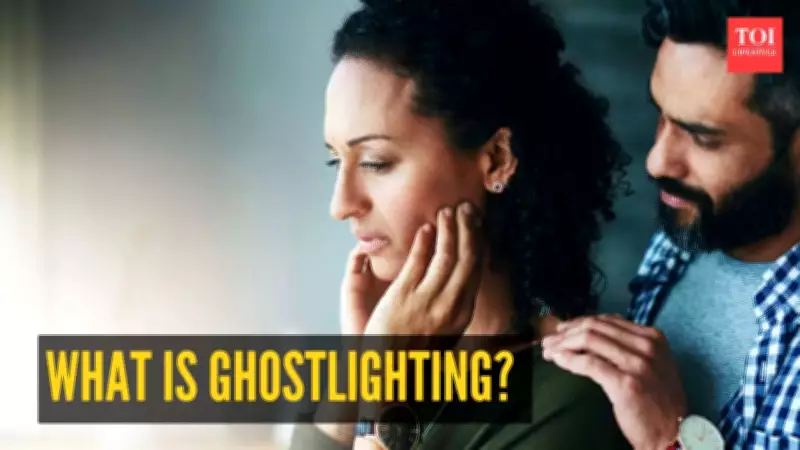
Ghostlighting: The Toxic Dating Trend That's Worse Than Ghosting
Modern dating continues to evolve into increasingly complex territory, with new terminology emerging to describe problematic behaviors. Just as society was coming to terms with concepts like "situationships," "benching," and "choremance," Generation Z has introduced another concerning phenomenon: ghostlighting. This trend represents a toxic upgrade to traditional ghosting, creating significant trust issues and emotional distress for those who experience it.
Understanding Ghosting: A Quick Recap
Ghosting in dating occurs when someone abruptly ceases all communication without explanation. According to the Cambridge Dictionary, this involves ending contact suddenly, leaving the other person staring at their phone and replaying every interaction. This passive-aggressive form of abandonment provides no closure, often leaving victims confused and filled with self-doubt. While commonly associated with romantic relationships, ghosting also occurs in friendships and professional contexts. The fundamental pain of ghosting stems from the implicit message that the person isn't worth an explanation.
Ghostlighting: Ghosting Meets Gaslighting
Ghostlighting represents a dangerous fusion of ghosting's disappearance with gaslighting's reality-distortion techniques. Imagine a scenario where your dating partner repeatedly tells you "You're overreacting," "That's not what happened," or "Why are you so needy?"—systematically planting seeds of self-doubt. Then, they vanish completely. When they eventually resurface, they might claim "You seemed busy, I didn't want to bother you," effectively making you responsible for their disappearance.

Dating expert Amy Chan explains to USA Today: "While ghosting avoids confrontation, ghostlighting distorts facts so you question your own reality." This represents a lighter version of full gaslighting, which the Cleveland Clinic defines as sustained manipulation designed to make someone doubt their sanity. The hybrid nature of ghostlighting makes it particularly insidious, often leaving victims blaming themselves for someone else's exit.
The Psychological Impact of Ghostlighting
The psychological manipulation begins subtly with statements like "I never said that" or "You're remembering incorrectly." Victims find themselves second-guessing text messages, memories, and even their own feelings. The eventual disappearance feels somehow deserved or justified. As Chan observes: "Ghostlighters dodge ownership of their behavior, flipping the script so you end up apologizing for their silence."
The critical distinction lies in accountability. Genuine people acknowledge their flakiness, while ghostlighters consistently deflect responsibility and place blame on their partners.
Recognizing Red Flags Early
Protecting yourself requires vigilance for warning signs:
- Inconsistent communication patterns
- Frequent excuses for cancellations or flakes
- Statements that make you question your perceptions
- Feeling increasingly uncertain about the relationship
Healthy dating builds trust gradually, while ghostlighting systematically dismantles it. Chan recommends calmly addressing the behavior if the person reappears: "You went silent—I interpreted that as disinterest." Their response reveals their intentions: genuine accountability indicates sincerity, while deflection or blame-shifting represents a major red flag.
Your mental well-being should always take priority over potential relationships. Being single is preferable to constantly second-guessing yourself.
Protective Strategies from Relationship Experts
If you experience ghostlighting, avoid smoothing it over. Chan advises: "Name the behavior directly, then observe their response. If there's no genuine apology, don't allow re-entry into your life." Practical steps include blocking contact, deleting their information, and focusing on your emotional recovery.
Relationship experts emphasize prioritizing consistent actions over charming words. Partners who follow through with their commitments demonstrate genuine interest. Consider therapy to unpack patterns of self-doubt, and rely on friends who can validate your reality.

Remember that emotionally healthy individuals explain their exits rather than disappearing. Ghostlighting thrives on exploiting low self-worth—counter it by establishing firm boundaries. Dating shouldn't feel like detective work. For authentic connections, seek partners who communicate like mature adults rather than escape artists.
Ghostlighting causes particular harm because it hijacks your inner voice. Reclaim your perspective by affirming: "My feelings are valid. Their silence provides its own answer." When someone begins to fade from your life, let them haunt someone else. Better relationships await those who value themselves enough to demand respectful treatment.