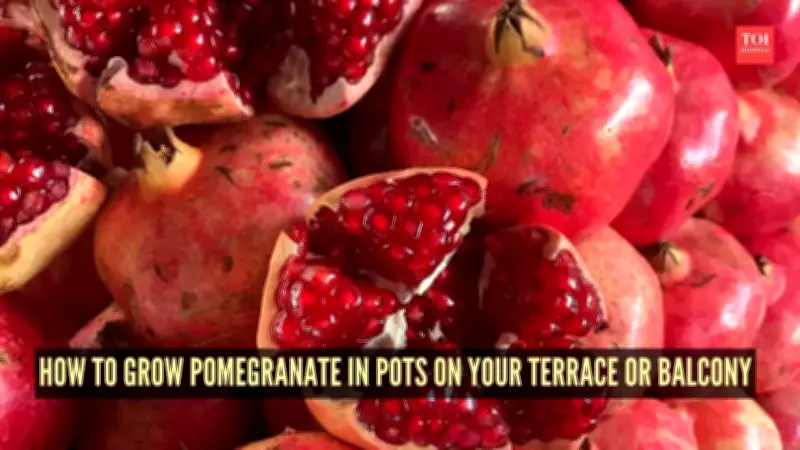
How to Grow Pomegranate in Pots on Your Terrace or Balcony
For urban dwellers living in apartments with limited outdoor space, growing pomegranate in pots presents an excellent gardening opportunity. This versatile fruit plant adapts remarkably well to container cultivation and requires relatively straightforward care compared to many other fruiting species. With proper attention to key factors, you can cultivate a healthy pomegranate plant right on your terrace or balcony and eventually harvest your own fresh fruits. Here are seven crucial steps to ensure successful pomegranate cultivation in containers.
1. Select the Appropriate Pot and Healthy Sapling
The foundation of successful container gardening begins with choosing the right pot and plant material. Opt for a large container measuring approximately 12 to 18 inches both in depth and width, as pomegranate roots require adequate space to establish themselves properly. Most importantly, ensure the pot features sufficient drainage holes to prevent waterlogging, which can lead to detrimental root rot conditions.
When selecting your plant, purchasing a healthy sapling from a reputable nursery proves far more advantageous than starting from seeds. Nursery saplings typically grow faster and begin fruit production significantly earlier, allowing you to enjoy your harvest sooner. Carefully inspect the sapling for vibrant leaves and sturdy stems before making your selection.

2. Prepare a Nutrient-Rich Soil Mixture
Pomegranate plants thrive in well-draining soil that ranges from slightly acidic to neutral, with an ideal pH between 5.5 and 7.0. Create an optimal growing medium by combining garden soil with organic amendments like compost, cocopeat, and vermicompost. Many experienced gardeners enhance this mixture further by adding neem cake or perlite to improve drainage capabilities.
This loose, nutrient-dense soil structure facilitates proper root development and ensures your plant receives adequate nourishment throughout its growth cycle. The improved aeration prevents soil compaction, allowing roots to expand freely within the container environment.
3. Position Your Plant in a Sunny Location
As sun-loving plants that prefer warm conditions, pomegranates require substantial daily sunlight exposure. Position your container where it will receive at least six to eight hours of direct sunlight each day. This ample sunlight exposure promotes vigorous growth and maximizes fruit production potential.
Insufficient sunlight often results in excessive foliage growth at the expense of fruit development. For optimal results, place your pomegranate plant on a south-facing balcony or terrace where it can bask in maximum sunlight throughout the day.
4. Implement Proper Watering Techniques
Water management represents a critical aspect of pomegranate care in containers. Maintain soil moisture without allowing it to become waterlogged by employing a simple testing method: water only when the top layer of soil feels dry to the touch. During periods of intense heat or when the plant enters its flowering phase, you may need to increase watering frequency.
Exercise caution against overwatering, as excessive moisture creates ideal conditions for root diseases and can severely hinder plant development. Consistent, moderate watering supports healthy growth while preventing common container gardening pitfalls.
5. Apply Organic Fertilizers Regularly
Container-grown plants deplete available nutrients more rapidly than their ground-planted counterparts, making regular fertilization essential. Feed your pomegranate plant every four to six weeks using organic fertilizers such as compost, cow dung manure, or balanced commercial formulations.
Pay particular attention to potassium and phosphorus levels, as these nutrients specifically encourage robust flowering and fruit development. Proper fertilization practices maintain plant vitality and ensure consistent productivity throughout the growing season.
6. Prune for Optimal Plant Health
Strategic pruning serves multiple purposes in pomegranate cultivation. Regular trimming helps maintain an attractive plant shape while simultaneously improving fruit production. Remove dead, weak, or overcrowded branches to redirect the plant's energy toward healthy growth and fruiting.

Begin light pruning when your plant reaches approximately two to three feet in height to encourage bushier growth patterns. This practice enhances air circulation between branches, reduces disease risks, and improves sunlight penetration to lower foliage areas.
7. Protect Against Pests and Diseases
Like most fruiting plants, pomegranates occasionally attract various pests including insects and bugs. Implement preventive measures by regularly spraying a neem oil and water solution on plant leaves, which effectively deters many common pests.
Maintain good air circulation around your plant and keep the growing area clean to minimize pest problems. Conduct regular inspections of leaves and stems to identify potential issues early, allowing for prompt intervention when necessary.
Conclusion: Rewarding Urban Gardening
Growing pomegranate in containers on terraces or balconies offers both practical benefits and gardening satisfaction for urban residents. With appropriate potting mixtures, sufficient sunlight exposure, proper watering schedules, and regular maintenance practices, these resilient plants can flourish even in confined urban environments.
By diligently following these seven fundamental steps and providing consistent care, home gardeners can enjoy the dual pleasures of beautiful pomegranate blossoms and fresh, homegrown fruits harvested directly from their personal outdoor spaces. Container gardening transforms limited areas into productive green spaces, bringing nature's bounty closer to home.