The Psychology Behind Holi Colors: How Red, Yellow and Blue Shape Your Emotions
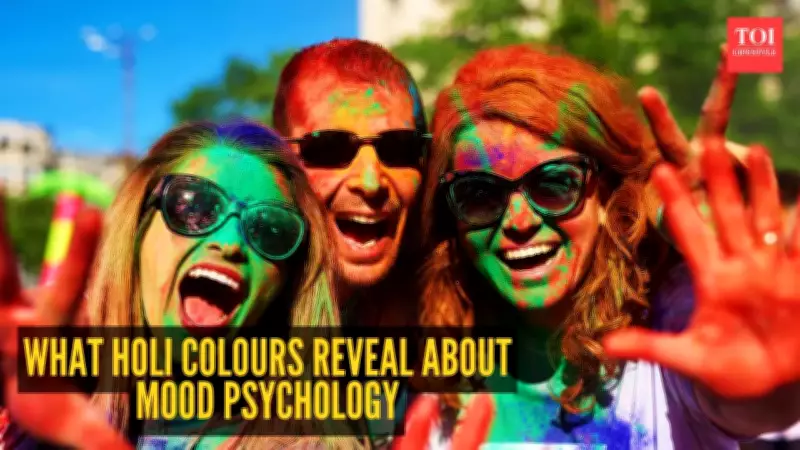
The vibrant festival of Holi represents far more than a simple celebration of colors. For countless individuals across India and beyond, Holi embodies a profound emotional experience that transcends ordinary festivities. The air becomes saturated with infectious joy, rhythmic music, and explosive bursts of color that seem to dissolve social barriers and personal inhibitions. Strangers transform into friends, longstanding grievances evaporate, and for one magical day, life feels significantly lighter and more liberated.
But what creates this remarkable emotional transformation during Holi? A substantial portion of the answer lies within the fascinating realm of color psychology. The colorful gulal powders we enthusiastically apply—particularly the primary hues of red, yellow, and blue—serve purposes far beyond mere entertainment. These pigments actively influence human mood, emotional states, and even behavioral patterns. Here is a detailed exploration of how each color contributes to the Holi experience.
The Dynamic Power of Red: Energy and Passion
Red stands as the color of daring, fervor, and intense vitality. Psychologically, red creates an immediate sense of heightened energy and stimulation that makes individuals feel truly awake and engaged with their surroundings. Scientific research in color psychology demonstrates that exposure to red increases heart rate and commands immediate attention through its visual intensity.

This vibrant hue maintains strong associations with passion, romantic love, physical strength, and personal courage. Across numerous cultures, red symbolizes auspicious beginnings and celebratory occasions—evident in wedding ceremonies, festive decorations, and sacred rituals. During Holi celebrations, the color red dramatically amplifies the festive spirit by sparking excitement, encouraging spontaneity, and fostering uninhibited fun. In essence, red communicates a powerful message: Feel completely, live loudly, and embrace the moment without reservation.
The Uplifting Nature of Yellow: Joy and Mental Clarity
Yellow traditionally symbolizes joy, positivity, and hopeful anticipation. From a psychological perspective, yellow stimulates brain activity and promotes mental clarity and alertness. Multiple studies indicate that exposure to yellow can significantly boost mood states and generate feelings of happiness, which explains why rooms painted in bright yellow tones often create cheerful, uplifting atmospheres.
During Holi festivities, yellow carries a gentle, warm energy that feels comforting rather than overwhelming. This hue connects deeply to cultural elements like turmeric, spring blossoms, and the concept of new beginnings. Emotionally, yellow whispers a subtle yet powerful encouragement: Remain lighthearted, maintain hope, and embrace fresh starts with optimism.
The Calming Influence of Blue: Balance and Grounding
Blue introduces essential balance and grounding to the Holi color palette. Psychologically, blue associates strongly with calmness, emotional stability, and trustworthiness. This cool hue actually slows heart rate and creates genuine sensations of peace and tranquility, which explains its frequent use in corporate branding to signal reliability.
Within Holi's cultural context, blue carries deeper spiritual significance. In Indian traditions, blue frequently connects to divinity, protection, and reflective contemplation. When blue powder is applied during celebrations, it symbolizes that authentic festivity encompasses not only exuberant noise but also harmonious balance. Emotionally, blue communicates a grounding message: Remember to breathe deeply, trust the process, and stay centered amidst the excitement.
Why Holi Creates Such Profound Emotional Impact
Color psychology reveals that hues influence not only individual emotional states but also social dynamics and interpersonal connections. Holi possesses the unique ability to remove visual hierarchies—once everyone becomes covered in colorful pigments, social status and superficial differences temporarily fade from consciousness. This shared colorful experience builds powerful feelings of unity and collective belonging.

On a deeper psychological level, playing with colors during Holi provides a non-verbal channel for emotional expression. The festival creates a safe space where individuals can release pent-up emotions, connect authentically with others, and experience psychological liberation through colorful, joyful interaction. The combination of specific color influences and social bonding creates Holi's distinctive emotional power that resonates long after the colors have washed away.