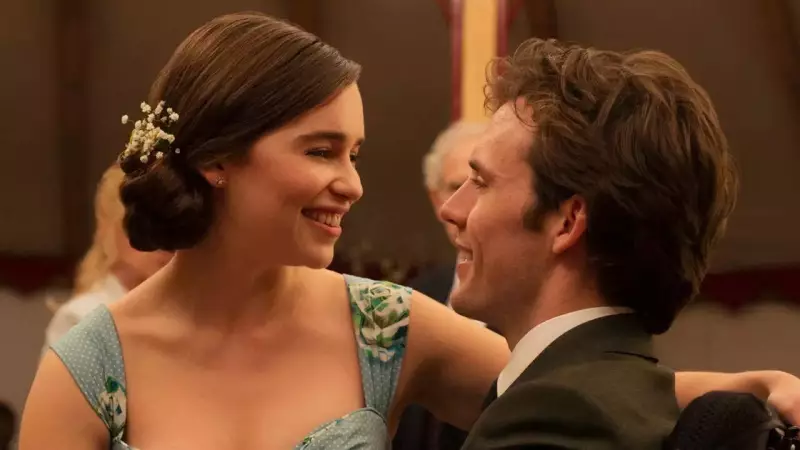
For generations, romantic films have been the silent architect of our love lives, long before we experienced our first real date. They have painted our imaginations with grand airport chases, heartfelt confessions in the rain, and embraces that seem to defy time. These stories, however, come bundled with expectations—some delightful, some wildly unrealistic, and a few that can subtly harm our understanding of real connection.
The Beautiful Truths That Films Sometimes Capture
To give credit where it's due, cinema does occasionally mirror reality with stunning accuracy. Romantic movies remind us that undeniable chemistry is a powerful force. They show that kindness is a profoundly attractive quality and that being vulnerable—admitting "I like you, and this makes me nervous"—is an act of bravery. Films often demonstrate how relationships can be repaired and deepened through thoughtful gestures, sincere apologies, and emotional honesty.
They also encourage us to remember that love isn't always a glamorous montage. Individuals bring their own fears, family histories, and past heartbreaks into new relationships. The finest romantic narratives grasp a fundamental truth: genuine human connection is both magical and remarkably hard to find, making it precious when it occurs.

The Persistent and Problematic Myths
Yet, for every truth, there is a pervasive myth. A common cinematic trope suggests that finding "the one" will magically solve all personal problems. The reality is far less dramatic. Dating does not automatically heal insecurity, loneliness, or issues of self-worth; these are aspects we carry with us and must address independently.
Another dangerous myth equates persistence with romance. On screen, when a character says "no," the pursuer often doubles down, showing up uninvited until the refusal turns into a "yes." In real life, this behavior isn't romantic devotion; it is a clear violation of personal boundaries and consent.
Movies also sell the illusion of instant, wordless compatibility. Two strangers lock eyes, share a brief conversation, and suddenly possess a deep, eternal understanding of each other's souls. Actual, lasting relationships are built on uncomfortable conversations, navigating different expectations, making compromises, and practicing tolerance. No one is born already knowing your personal emotional manual.
The Biggest Lie: Love Must Be Dramatic
Perhaps the most significant falsehood propagated is that true love is inherently tumultuous. The narrative insists that unless it involves pain, chaos, longing, and tears, the feeling must not be authentic. The truth of healthy dating is much quieter. It often feels steady, safe, and predictably supportive. It may even seem boring compared to the cinematic rollercoaster. This isn't a lack of passion; it's the profound comfort of reliability, which is the true foundation for lasting love.
What to Keep and What to Leave at the Credits
So, how do we separate the helpful from the harmful? The key is conscious curation. From the world of romantic films, we should hold onto the tenderness, the courage to express feelings openly, and the powerful reminder that love is worth showing up for consistently.
What we must consciously let go of are the fantasies that erase the need for clear communication, mutual consent, respected boundaries, professional therapy, and daily effort. We must abandon the idea that a single grand gesture can substitute for everyday respect and kindness.
In conclusion, movies tell beautiful, scripted stories. Real-life dating, however, is where the authentic, unscripted writing happens. It's the story of two people consciously choosing each other on ordinary days, without a dramatic soundtrack, without perfect lighting, and without any certainty of how the story will end. And that authentic, co-authored journey can be far more rewarding than anything even the most dramatic screenplay could ever offer.