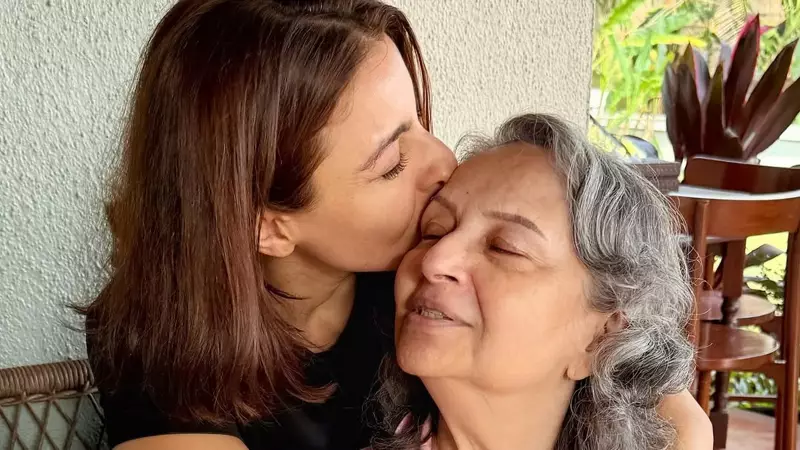
In a candid revelation, actor Soha Ali Khan has shared the practical advice her mother, veteran star Sharmila Tagore, gave her before she moved in with now-husband Kunal Khemu. The conversation, which touches on a common societal concern, highlights the generational perspectives on love, commitment, and the institution of marriage.
Sharmila Tagore's Motherly Caution
Recalling the discussion in a recent interview with Hauterflyy, Soha Ali Khan disclosed the essence of her mother's guidance. Sharmila Tagore cautioned that if a couple decides to live together before marriage, there is a possibility that some men might delay proposing. The reasoning was straightforward: after settling into a shared life, the perceived incentive to formalise the union through marriage might diminish.
"The only thing she told me was... if you are going to live together before marriage, there are some men who might delay the marriage, and need a push," Soha recounted. "If you are waiting for him to propose, after living together, he might not feel the incentive to propose." This advice was offered before Soha and Kunal began their live-in relationship.

A Decision Driven by Happiness, Not Pressure
Soha went on to explain the context of her own relationship trajectory with Kunal Khemu. For the couple, marriage was not an immediate priority or a necessary milestone for their happiness. They were content and fulfilled in their live-in arrangement, viewing their commitment through the lens of their shared life rather than a legal certificate.
"We were very happy living together," she noted. However, they acknowledged the desires of their loved ones. "Other people wanted us to get married for good reasons like stability, family, etc., so we took the step for them." Eventually, Kunal did propose, and the couple tied the knot, but Soha emphasises the step was not born out of personal urgency or opposition to marriage, but rather as a gesture to bring joy to their family circle.
Expert Insight: Cohabitation and the Modern Commitment
The concern raised by Sharmila Tagore is a familiar one in many households. Does living together actually reduce the likelihood of eventually getting married? Psychotherapist Sakshi Mandhyan, in a conversation with indianexpress.com, provides a nuanced view that challenges this traditional assumption.
Mandhyan explains that the worry stems from a mindset where marriage is seen as the ultimate and natural goal of a serious relationship. For earlier generations, it was synonymous with security, social approval, and legitimacy. Today's landscape, however, is markedly different.
Younger couples often view marriage as one of several valid options to express a lifelong commitment. Cohabitation can serve as a valuable phase of clarity, testing everyday compatibility and shared responsibilities before making a larger, more formal promise. The expert stresses that the outcome is less about the live-in arrangement itself and more about the nature of the couple's commitment—whether it is based on genuine dedication and a mutual choice to grow together, or on external constraints like family pressure or financial convenience.
Mandhyan also addresses the modern perspective of marriage, noting it is no longer a simple binary choice between a formality or a necessity. It is an institution that requires understanding and preparation. Many contemporary partners focus on how their individualities align and enhance each other's lives. When a couple shares deep trust and attachment security, the formal label of marriage might feel less pressing, allowing them to concentrate on strengthening their bond.
However, the psychotherapist adds a crucial caveat: marriage still holds significant practical weight in terms of legal rights, social legitimacy, and family recognition. Completely dismissing its relevance can sometimes create friction within one's broader social and familial network.
The story of Soha Ali Khan and Kunal Khemu, framed by Sharmila Tagore's pragmatic advice, ultimately reflects the evolving dialogue around relationships in modern India. It underscores a shift from viewing live-in relationships as an obstacle to marriage to considering them a potential pathway to greater understanding and a more informed, deliberate commitment.