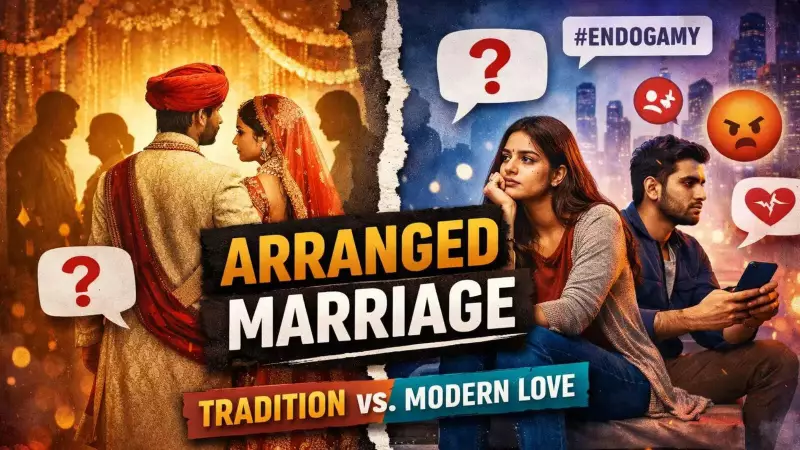
A fierce debate over the relevance and impact of arranged marriages in contemporary India has taken over X, formerly known as Twitter. The platform is witnessing intense clashes between critics and defenders of this age-old tradition, questioning whether it supports or stifles modern Indian society.
The Spark That Ignited the Online Firestorm
The conversation was reignited when a user named Cataleya reposted a 2021 tweet from Indian actor Siddharth Suryanarayan. The actor had called arranged marriage "basically child marriage for older children based on caste" and argued for its abolition. Cataleya amplified this, stating the core issue is always caste.
She backed her argument with stark data, noting that over 95% of marriages in India remain endogamous. Parent-arranged unions show less than 5% intercaste rates, compared to 17% in self-chosen marriages. Cataleya framed arranged marriage as a system of control that manages male sexual exclusion, enforces caste purity, and monetizes patriarchy through dowry. She argued its low divorce rate signals constrained exit options, not marital success.

Critics vs Defenders: The Core Arguments
Critics on the platform argue that the system often acts as a safety net for men, potentially masking issues like emotional immaturity or health problems. They claim family-led matchmaking can prioritize social stability and optics over genuine compatibility and a woman's agency, reinforcing unequal power dynamics.
Supporters, however, point to the institution's stability, often citing India's famously low divorce rates of around 1–2%, compared to higher rates in love marriages. They believe family vetting, shared cultural values, and long-term commitment are pillars of enduring partnerships. Critics counter that these low divorce numbers may reflect social stigma, financial dependence, and lack of alternatives rather than happiness.
The Rise of Hybrid Models and Gen Z's Priorities
In urban and upper middle-class India, a significant shift is visible. The rigid, traditional form of arranged marriage is fading, making way for hybrid models. Here, individuals often find partners independently but seek formal parental approval before marriage, blending choice with tradition.
For the younger generation, especially Gen Z, the labels of "arranged" or "love" matter less. Online discussions reveal their primary desires are companionship, emotional safety, and mutual respect. Their core demands are consent, choice, and compatibility, irrespective of how the initial introduction happens.
The viral debate underscores that the real divide may no longer be between arranged and love marriages. Instead, it is between rigid systems and flexible ones. As India modernizes, marriage is being renegotiated through the lenses of economic independence, digital exposure, and evolving ideas of partnership. This intensely personal yet highly political institution continues to mirror the nation's broader social transformations, ensuring the debate resurfaces with renewed vigor each time.