Wetlands rank among the planet's most vital and productive ecosystems. Acting as nature's kidneys, they filter water, store carbon, control floods, and support incredible biodiversity. From sprawling river deltas to highland marshes, these landscapes have shaped civilizations and natural history. Here is a look at ten of the most iconic wetlands across the globe.
South America's Wildlife Haven and Africa's Inland Miracle
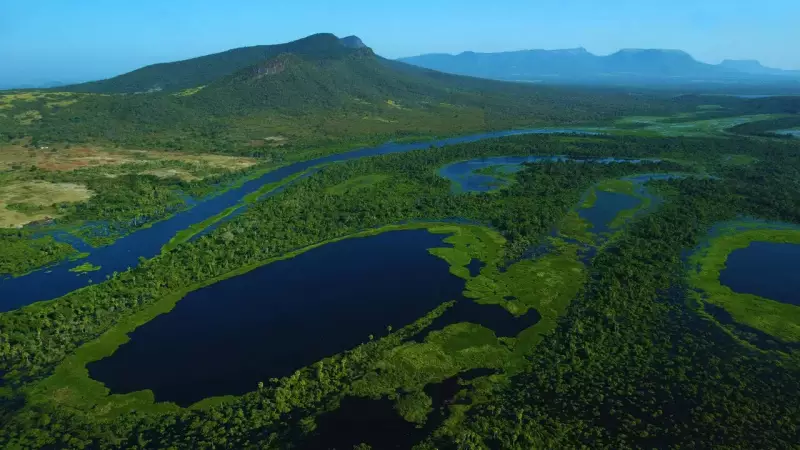
The Pantanal, spanning Brazil, Bolivia, and Paraguay, is the world's largest tropical wetland system, larger than England. Annually flooded by the Paraguay River, its open landscapes make it a premier destination for wildlife viewing. Visitors can spot jaguars, giant otters, capybaras, and countless caimans and birds with remarkable ease compared to dense rainforests.
In Botswana, the Okavango Delta presents a unique phenomenon: a river that flows into the Kalahari Desert instead of the sea. This creates a seasonal, inland delta where floodwaters transform dry savannah into a lush paradise. It teems with elephants, lions, hippos, and migratory birds. The delta is famed for mokoro canoe safaris and is a designated UNESCO World Heritage site, representing pristine wilderness.

North American and European Wetland Treasures
The Everglades in Florida, USA, is a one-of-a-kind "River of Grass." This slow-moving wetland ecosystem is crucial for South Florida's water supply and is a global hub for ecological research. It provides a refuge for endangered species like the Florida panther, the American crocodile, and the West Indian manatee.
Europe's biodiversity jewel, the Danube Delta, lies where the Danube River meets the Black Sea in Romania and Ukraine. This maze of reed beds, lakes, and channels is a sanctuary for over 300 bird species, including pelicans and eagles. It remains one of the continent's last great wilderness areas and is recognized as a wetland of international importance by UNESCO.
In southern France, the Camargue is a distinctive wetland known for its pink flamingos, white horses, and black bulls. Comprising salt marshes, lagoons, and reed beds, it is a critical stopover on migratory bird routes between Europe and Africa and sustains a unique pastoral culture.
Asia's Vital Wetlands and Global Gems
Asia boasts several wetlands of profound ecological and cultural significance. The Sundarbans, straddling India and Bangladesh, is the planet's largest mangrove forest. This tidal wetland in the Ganges-Brahmaputra delta is uniquely adapted to saltwater and is the famed home of the Royal Bengal tiger, along with estuarine crocodiles, dolphins, and myriad birds.
Vietnam's Mekong Delta, often called the "rice bowl," is a life-sustaining wetland shaped by seasonal floods. Its intricate network of rivers, canals, and floodplains supports millions through agriculture and fishing, while its mangroves and bird sanctuaries underline its ecological value.
In Australia, the Kakadu Wetlands within Kakadu National Park are of immense environmental and cultural worth. These seasonal floodplains are home to saltwater crocodiles and wallabies and hold ancient Aboriginal rock art, connecting the landscape to tens of thousands of years of human history.
Kenya's Lake Nakuru Wetlands, set in the Great Rift Valley, is a shallow alkaline lake surrounded by diverse habitats. It is globally renowned for its vast flocks of lesser and greater flamingos, which tinge the shoreline pink. The surrounding national park also protects black and white rhinos and Rothschild's giraffes.
India contributes another gem with Keoladeo National Park (Bharatpur Bird Sanctuary) in Rajasthan. This man-made wetland is an Asian birding paradise, attracting thousands of migratory birds like cranes, storks, and pelicans each winter, brilliantly demonstrating how managed wetlands can become biodiversity hotspots even in semi-arid regions.