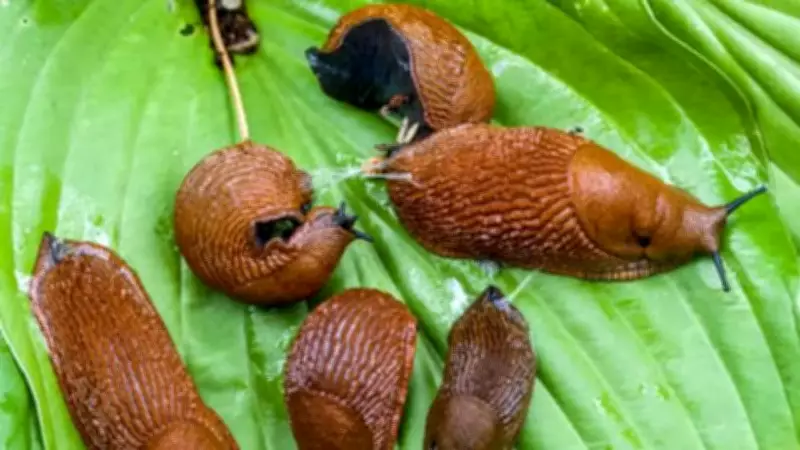
Slugs are among the most troublesome garden pests. They consume leaves, flowers, vegetables, and young seedlings, causing significant damage. Most active in humid weather, especially at night, these pests can be challenging to manage. However, with the right tactics, gardeners can reduce the slug population and protect their crops effectively.
1. Choose the Correct Watering Time
Improper watering practices can exacerbate slug problems. Watering late in the evening creates damp soil that slugs love during cool nights. Instead, water plants in the early morning so the soil dries during the day, making the garden less inviting. This also reduces the risk of moisture-related plant diseases.
2. Reduce Hiding Spots
Slugs hide in cool, moist, shady places during the day. Leaf piles, thick weeds, flowerpots, plant debris, and wooden objects provide ideal shelters. Keeping the garden tidy minimizes these hiding spots, making it easier to detect slug presence before an infestation becomes severe.

3. Encourage Beneficial Animals
Natural predators like frogs, toads, birds, ground beetles, and hedgehogs help control slug populations. Create a welcoming environment with native plants, small ponds, and shelters. According to the Royal Horticultural Society, this approach reduces pest problems without heavy reliance on pesticides.
4. Use Physical Barriers
Young and vulnerable plants can be protected with barriers. Copper tape, horticultural grit, and other rough surfaces deter slugs from feeding. While no barrier is foolproof, combining them with other methods minimizes damage. Install barriers before slugs discover the plants.
5. Try Companion Planting
Some plants naturally repel slugs. Herbs like rosemary, thyme, lavender, and sage are known to keep slugs at bay. Companion planting may not eliminate slugs entirely, but it can be part of an integrated management strategy. These plants also attract pollinators.
6. Manual Removal
Manual slug removal remains highly effective. Slugs are most active at night, so a flashlight makes it easy to find and remove them. Agricultural experts often recommend this method because it targets slugs without harming beneficial insects or wildlife. Regular removal yields gradual results.
7. Use Traps
Beer traps are a popular home remedy. The smell lures slugs into a container where they become trapped and die. While traps may not control severe infestations, they help reduce populations and monitor pest levels. Combine trapping with other techniques for best results.
8. Grow Strong Seedlings
Seedlings are especially vulnerable to slug damage. Raising plants indoors allows them to develop sturdy foliage and stems before transplanting outdoors. Larger, healthier plants can better withstand minor leaf damage, particularly for vegetables and flowering annuals.
9. Consider Biological Controls
Biological controls, such as beneficial nematodes, specifically target and kill slugs. These are popular among organic gardeners as a non-toxic solution. Studies show nematodes can be effective depending on moisture and temperature, and they do not harm most wildlife.
10. Maintain Garden Hygiene
Regular cleaning and removal of debris reduce slug habitats. Keep the garden free of fallen leaves, weeds, and unused pots. This not only deters slugs but also prevents other pests and diseases, creating a healthier garden environment.