Some travelers chase sunsets, while others seek beaches and mountains. However, a quietly growing trend known as botanical travel is gaining momentum. This form of travel involves pursuing offbeat experiences, searching for unique trees, rare flowers, and lesser-known fruits. Our planet is brimming with delicious and unusual fruit trees that transform botanical gardens, rainforests, and tropical farms into unforgettable travel adventures. From the Amazon to tropical islands in Asia, here are ten remarkable trees that often feel stranger than fiction.
Cannonball Tree
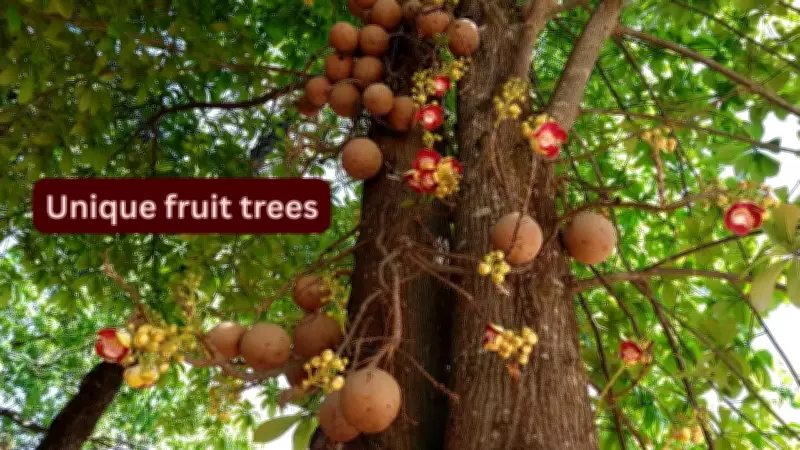
At first glance, the cannonball tree shocks viewers with its dramatic appearance. This tropical giant produces huge, rust-colored fruits that resemble old cannonballs hanging directly from the trunk. Each fruit can weigh several kilograms. Travelers can spot these trees in botanical gardens across Sri Lanka and southern India, where the tree is revered as the "Nagalingam" tree.
Miracle Fruit
The miracle fruit looks like a lemon but tastes divinely sweet. Native to West Africa, it contains a protein called miraculin that temporarily alters taste perception. Botanical travelers can find miracle fruit farms in Ghana, Japan, and parts of Florida. In recent years, miracle fruit tasting sessions have become popular tourist activities.

Jabuticaba
Jabuticaba appears unusual at first glance, with dark purple fruits seemingly glued onto the tree's bark, creating a strange sight. However, the fruit tastes sweet, similar to a blend of grape and lychee. Travelers on Reddit often describe seeing the tree for the first time as "otherworldly." Jabuticaba is best enjoyed in Brazil, particularly in the states of Minas Gerais and São Paulo.
Durian
Durian is famously known as the "smelliest fruit in the world." This spiky fruit divides opinions like no other: some call it heavenly custard, while others compare its smell to a rotten body. The towering durian tree itself is fascinating. Durian is common in Thailand, Malaysia, Singapore, and Indonesia.
Sausage Tree
The sausage tree, often called Africa's hanging curiosity, produces huge sausage-shaped fruits dangling from rope-like stems. Some fruits can grow over two feet long, though they are not eaten fresh. Travelers on safari in Kenya, Tanzania, and South Africa can easily spot these trees near rivers and wildlife reserves.
Buddha's Hand Citrus
The Buddha's hand barely resembles a fruit, with an octopus-like appearance. Unlike lemons, it contains almost no juice. These fruits can be spotted in temple gardens and fruit markets across China and Japan.
Baobab
The baobab tree looks as if it were planted upside down. Its velvety fruit contains pulp rich in vitamins, used in drinks and snacks across Africa. Travelers can see majestic baobabs in Madagascar, particularly along the Avenue of the Baobabs, one of the world's most photogenic tree-lined roads.
Ackee
Ackee is Jamaica's national fruit. It is bright red and naturally opens when ripe, revealing creamy yellow flesh and shiny black seeds. However, unripe ackee is toxic and must be eaten carefully. Travelers visiting Jamaica often join local food tours to learn about this fruit.
Mangosteen
Mangosteen is the undisputed queen of tropical fruits but often gets overshadowed by durian. This purple-skinned fruit is loved for its sweet-and-tangy white flesh. The slow-growing tree thrives in humid tropical climates. Travelers can spot mangosteen in Thailand and Vietnam during monsoon season.
Snake Fruit
Snake fruit, also known as salak, is among the world's strangest tropical fruits. Its reddish-brown scaly skin resembles snake leather. The fruit grows in clusters at the base of palm trees. Inside, the cream-colored crunchy texture is compared to apple, pineapple, and banana. Travelers can spot snake fruit trees in Indonesia, particularly in Bali, Java, and Yogyakarta.