While winter transforms many parts of India into picturesque snowy wonderlands, it also seals the gates to some of the nation's most breathtaking and remote corners. From November through March, a combination of heavy snowfall, frozen rivers, landslides, and strategic military restrictions renders several key destinations completely off-limits to tourists and often even to local residents. These areas, popular in the warmer months, enter a phase of total isolation. Here are four such places in India that become virtually inaccessible during the harsh winter season.
Zanskar Valley, Ladakh: The Frozen Fortress
Nestled deep within the Ladakh region, Zanskar Valley stands as one of the most isolated pockets of the Indian Himalayas. When winter sets in, this valley is completely severed from the rest of the country. Critical mountain passes, including the Pensi La, are shut down due to relentless heavy snow, collapsing all road connectivity. Air access is not a feasible alternative. Temperatures here can plummet to a bone-chilling -30°C or even lower, freezing the rivers solid and making survival a daily challenge. Although the legendary Chadar Trek offers a perilous route by traversing the frozen Zanskar River, general tourism is entirely suspended. For the majority of Indians, Zanskar remains a distant dream until the thaw of late spring.
North Sikkim: A Summer Dream Turns Icy Reality
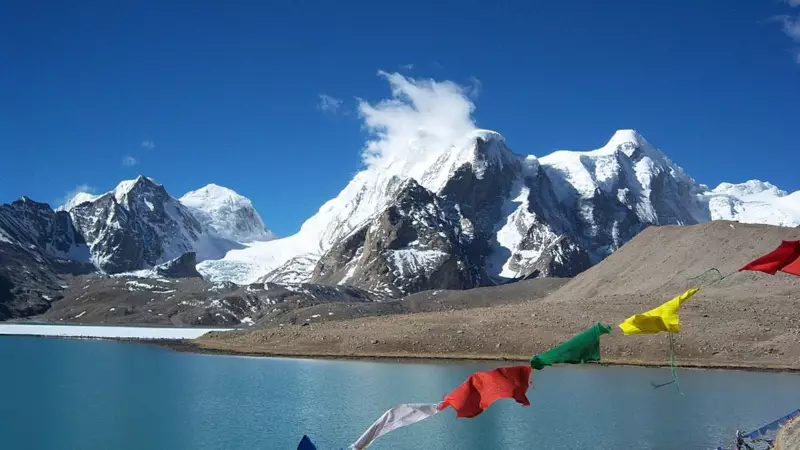
North Sikkim, home to stunning locales like Gurudongmar Lake, Lachen, and Lachung, is a summer paradise. However, winter paints a starkly different and forbidding picture. Intense snowfall blocks roads and disrupts crucial military supply lines. For safety, civilian permits are frequently suspended and strict travel restrictions are enforced. The local population itself faces prolonged periods of isolation. With the constant threats of icy roads, avalanches, and sub-zero temperatures, North Sikkim remains firmly off-limits to all tourists from December to March, only reopening as the snow begins its gradual melt.

Gurez Valley, Jammu & Kashmir: Cut Off by Snow and Strategy
Gurez Valley's proximity to the sensitive Line of Control (LoC) adds a layer of strategic importance to its geographical challenges. During winter, heavy snow seals the Razdan Pass, which is the sole road link connecting Gurez to Bandipora and Srinagar. As temperatures drop sharply, the region is plunged into extended isolation. Movement is curtailed not just by the severe weather but also by vital military considerations. Consequently, tourist access is generally suspended, making Gurez Valley unreachable for Indian civilians until the arrival of spring.
Upper Reaches of Tawang, Arunachal Pradesh
While the town of Tawang itself might be accessible in the early winter, its higher-altitude villages and mountain passes near the India-China border become impassable. Snow accumulation and extreme cold lead to blocked roads, poor visibility, and restricted travel permits. The risks from landslides and icy conditions make civilian travel unsafe. By late December, many interior areas are cut off until March, with only military convoys permitted for limited, essential movement.
Why are these winter travel restrictions necessary? These seasonal closures are implemented for critical reasons: to prevent fatal accidents caused by avalanches and frozen roads; to ensure uninterrupted military logistics in sensitive border zones; to protect fragile high-altitude ecosystems from excessive human stress; and to reduce the strain on local communities during their most challenging survival months of the year.