Living near an active volcano might appear perilous to outsiders, but for millions across the globe, it is simply a way of life. These communities embrace the raw power of Earth's geological forces, balancing the inherent dangers with tangible benefits that make their homes worth the risk. From fertile farmlands that yield bountiful harvests to vibrant tourism economies and deep cultural ties, residents find compelling reasons to stay put. Modern advancements in volcanic monitoring and early warning systems have significantly enhanced safety, allowing these regions to support thriving populations despite occasional eruptions. Here, we explore five remarkable places where people continue to live in the shadow of active volcanoes, uncovering the unique factors that bind them to these fiery landscapes.
1. Mount Vesuvius, Italy: A Historical Giant Over Naples
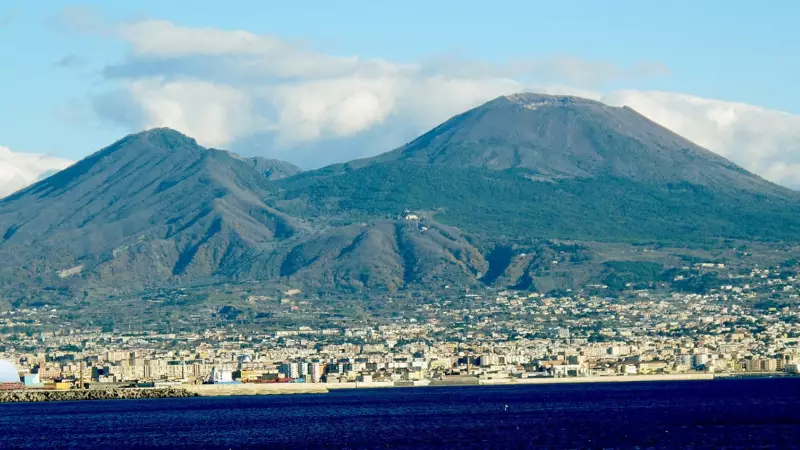
Perhaps the most iconic volcano in history, Mount Vesuvius casts a formidable presence over the bustling city of Naples in Italy. Its last eruption occurred in 1944, yet it remains classified as one of the world's most hazardous volcanoes due to the dense urban population residing in its vicinity. Nearly three million people call the greater Naples area home, attracted by robust economic opportunities, breathtaking scenic beauty, and the exceptionally fertile volcanic soil that nurtures agriculture, including renowned grape vineyards and tomato farms. Italian authorities maintain rigorous monitoring of Vesuvius, implementing advanced alert systems to safeguard residents, which helps mitigate risks and sustain this vibrant community.
2. Mount Merapi, Indonesia: Spiritual and Agricultural Heartland
Located in Central Java, Mount Merapi stands as one of Indonesia's most active volcanoes, erupting frequently—sometimes every few years. Despite this volatility, numerous villages persist on its slopes, driven by a profound spiritual connection to the volcano, which locals revere as a sacred entity. Additionally, farmers depend on the nutrient-rich volcanic ash that periodically rejuvenates their fields, boosting crop yields and supporting livelihoods. Community awareness programs and regular evacuation drills are critical components of local life, playing a vital role in minimizing casualties during eruptions and fostering resilience among residents.

3. Kilauea, Hawaii, USA: A Persistent Force on the Big Island
Kilauea ranks among the planet's most active volcanoes, with intermittent eruptions spanning decades. On Hawaii's Big Island, several residential areas lie within designated volcanic zones, where residents are acutely aware of the potential for lava flows to destroy homes, as witnessed during significant eruptions in recent years. However, affordable land prices and a strong, cohesive sense of community encourage people to remain rooted here. State-of-the-art geological monitoring provides timely alerts, enabling preparedness and reducing the impact of volcanic activity on daily life.
4. Mount Etna, Italy: Europe's Volcanic Benefactor
Towering over eastern Sicily, Mount Etna holds the title of Europe's most active volcano, with a history of regular eruptions stretching back thousands of years. Towns and villages dot its slopes, while nearby cities like Catania flourish despite the constant volcanic backdrop. Etna's ash deposits enrich the surrounding soil, creating ideal conditions for vineyards, orchards, and olive groves that drive the local economy. For many Sicilians, the volcano represents a dual nature—both a potential threat and a generous benefactor, shaping their cultural identity and agricultural prosperity.
5. Sakurajima, Japan: Adapting to Daily Ashfalls
Sakurajima, one of Japan's most active volcanoes, is situated just across the bay from Kagoshima city. It erupts frequently, sometimes multiple times daily, dispersing ash clouds into the atmosphere. Yet, thousands of residents continue to live nearby, adapting their routines to accommodate falling ash through measures like protective masks and regular clean-ups. Japan's robust disaster preparedness infrastructure, including well-equipped shelters and real-time alert systems, makes life near Sakurajima manageable, demonstrating how technological innovation can coexist with natural volatility.

These five examples highlight the complex interplay between human settlement and volcanic activity. While risks are ever-present, the combination of economic incentives, cultural heritage, and advanced safety measures allows these communities to not only survive but thrive. As volcanic monitoring technology evolves, it may further empower residents to live safely on the edge, turning potential peril into a sustainable way of life.