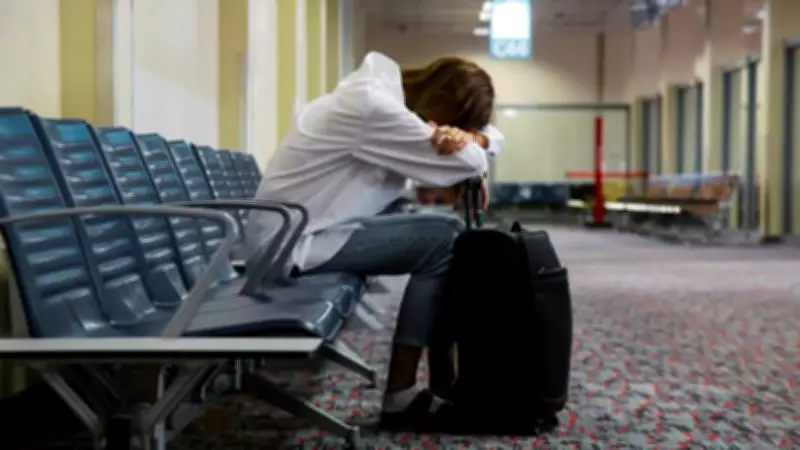
Flights tend to make you feel tired in ways that you might not think about initially. Even after touching ground on the other end, many passengers will still experience exhaustion, dehydration, stiffness, and mental weariness for hours – sometimes even days! Sure, there is no denying the discomfort and lack of hydration brought about by tight spaces, arid cabin air, and sleep deprivation; but it does not stop once passengers get off the plane. Unfortunately, people have a tendency to engage in behavior that actually prolongs their exhaustion rather than helping them recover from it. In the first few hours after reaching your destination, everything matters. From what food you eat to how active you stay, from sleeping times to adapting to the new time zone – everything affects your ability to recover.
Insufficient Fluid Intake
The problem of dehydration during air travel may go unnoticed among travelers as many people do not realize its importance. The level of humidity inside an airplane cabin is very low, which leads to dehydration and makes you sleepy and sluggish upon arrival. In case of dehydration, the risk of getting headaches, dizziness, and irritability increases significantly. Drinking coffee, alcohol, or soda instead of water will slow down your adaptation process even more.
Going Straight to Bed at the Wrong Time
Though resting and having a good sleep sounds extremely appealing after such a tiresome journey, going to bed soon after arriving in a new time zone is highly undesirable. Sleeping during the day is one of the main causes that make jet lag symptoms worse because your body must adapt to the local time zone, which is not easy to do if you go to sleep when your body thinks it should be awake. You will probably wake up several times during the night and feel exhausted for quite some days after.

Sitting for Too Long After the Flight
Your body has been confined to an uncomfortable seat position for hours. Many people disembark the plane only to find themselves sitting in another vehicle, whether it be a taxi, shuttle bus, train, or simply in a hotel lobby or room. This could increase feelings of stiffness, swelling, and overall fatigue. Flight travel causes the muscles to tense, the blood flow rate to slow down, and a feeling of heaviness in the body. Walking in the airport or doing some stretches after check-in can help re-energize the body.
Consuming Greasy and Unhealthy Meals Right Away
After traveling, you might want to indulge in greasy comfort food, especially if the airline's meals did not satisfy your appetite. However, such foods may just make you feel more tired. Foods that are hard to digest will use up your energy during the process of digestion, thus causing additional post-flight fatigue. In addition, consumption of sweet treats can cause a surge of energy followed by a significant energy dip. Eat something light – proteins, fruits, grains, or fresh food.
Ignoring Sunlight and Fresh Air
One of the easiest recovery techniques for after a trip is sunlight. Sunlight regulates your circadian rhythm, making it extremely effective after a time zone change. Being indoors in poorly lit hotels or airport buildings will slow down this process and make you groggy for an extended period of time. Ventilation is another good tool for fighting off sleepiness after spending a lot of time in a closed-off plane cabin. Try getting some fresh air if possible – even a short walk will do.
Overdoing Things
A lot of people arrive at their destination and instantly start sightseeing or going out for work-related reasons or just to shop and drive for a long distance. However, overexcitement may lead to unexpected fatigue later on that may make the whole day unbearable. Instead, one should ease into their activities. Refresh, drink and eat, and take time to recover before tackling the next activities on the itinerary.