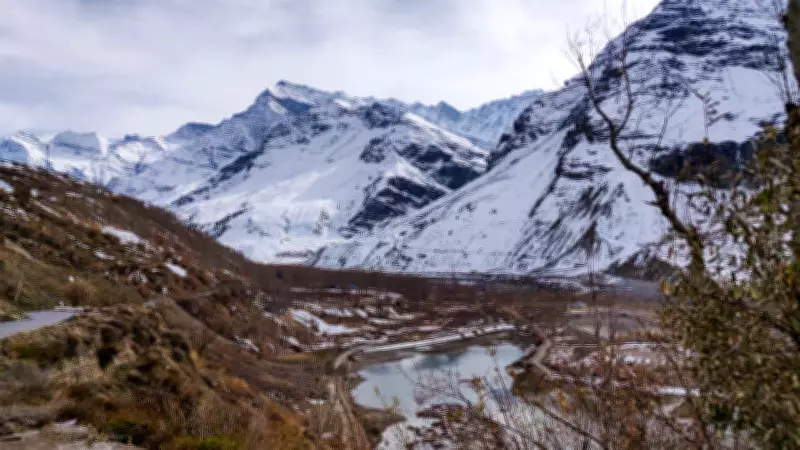
While the Atal Tunnel has become a modern travel sensation and Sissu stands out as one of the most stunning natural paradises in the Himalayas, there is so much more to explore in the Lahaul Valley. With giant waterfalls, snowy mountains, and the tranquil Chandra River, Sissu clearly captivates visitors. Since the Atal Tunnel opened, it has been a must-visit for anyone entering the Lahaul Valley. However, thinking Sissu is the final destination would be a mistake. Although the village itself is gorgeous, lingering there means missing out on the region's best attractions. Sissu is not just a place to stay; it is a gateway to some of the wildest and most amazing spots in Himachal Pradesh. To truly experience adventure, you need to venture beyond the town. Here are nine quick spots in Lahaul Valley you absolutely must add to your road trip itinerary.
Sissu Waterfall
You can spot the Sissu Waterfall from almost anywhere in the village, making it a favorite for every camera roll. Fed by melting glaciers high in the mountains, the water drops a solid 50 meters straight down a rocky cliff before joining the Chandra River. It is located about 2 kilometers from Sissu. A pedestrian suspension bridge spans the river, leading to an easy 2-kilometer trail. The path winds through lovely willow trees and mountain greenery straight to the base of the falls. Visit between May and October, when melting snow makes the waterfall roar the loudest. You can enjoy a short trek or a leisurely walk around the village. Photographers will find this spot ideal.
Sissu Lake
Right by the local helipad, Sissu Lake has become a massive crowd favorite in the valley. The best part is that you do not need to hike for hours to reach it. It is easily accessible, making it perfect for families or anyone seeking a laid-back afternoon. If you visit early in the morning, the still lake water acts like a giant mirror, reflecting the surrounding mountains. In summer, you can go boating, take leisurely walks, or enjoy a beautiful sunrise over the mountains.

Keylong
Drive down the Manali-Leh Highway for about an hour and you will reach Keylong. Sitting at around 10,170 feet, this town is the administrative and commercial heart of Lahaul. For many travelers heading deeper into the extreme Himalayas, it is the last real town on the map. From here, you can easily visit ancient Buddhist sites like Kardang and Shashur monasteries, both known for their incredible peace and stunning valley views. Walking through the bustling local market offers a glimpse into everyday Lahauli life, blending old traditions with the newer tourist crowd.
Jispa
Tucked next to the Bhaga River, Jispa is one of the prettiest stops on the road to Leh. About 55 kilometers from Sissu, this place features wide-open river valleys and huge, barren mountains all around. It is much quieter and more relaxing than typical crowded tourist spots in Himachal. Road-trippers and bikers love halting here because the altitude is perfect for acclimatizing before heading to Ladakh. Jispa is famous for its riverside camps, cute boutique hotels, and some of the most incredible night skies you will ever see. On clear nights, the stars seem close enough to touch. If you want to pause and soak in mountain vibes, Jispa's wide riverbanks are exactly what you need.
Deepak Tal
Around 70 kilometers from Sissu, just past Patseo on the Manali-Leh highway, lies Deepak Tal. This gorgeous high-altitude lake is hugged by rugged mountain peaks and alpine meadows. Sitting at roughly 12,300 feet, the lake gets its crystal-clear water directly from melting glaciers. The coolest part is that you do not need to hike to see it; it is right next to the road. When there is no wind, the water becomes a perfect mirror for the mountains, offering postcard-worthy photos. In summertime, locals set up small tea stalls nearby, making it a perfect spot to stretch your legs and enjoy a hot chai before driving to higher altitudes. It is an ideal picnic spot for family and friends.

Suraj Tal
Way up at over 16,000 feet, Suraj Tal is one of the highest lakes in India and arguably the most jaw-dropping sight in the area. Tucked right under the Baralacha La pass, the lake is surrounded by harsh rocky mountains, snow patches, and rough glacier terrain. People call it the "Lake of the Sun," and it marks the starting point of the Bhaga River. Even in midsummer, you will likely see snowbanks and chunks of ice floating in the water. The deep, rich blue water contrasts sharply with the dry, barren mountains, creating a surreal view. Keep in mind that this lake is completely frozen for most of the year, so you can only visit during the summer travel window.
Baralacha La
Towering at about 16,040 feet, Baralacha La is a legendary pass among Indian Himalayan passes. It is one of the highest motorable roads in India. In ancient times, this spot was a major crossroads for traders moving between Lahaul, Spiti, Ladakh, and Zanskar. Today, driving up there is half the fun. You will pass frozen glaciers, icy mountain streams, and some of the craziest views on the Manali-Leh road. Depending on when you visit, you might even drive between giant walls of snow carved out for the highway. The road usually opens from late May through October, but this depends on how much snow falls on the pass.
Shinkula Pass
If you are a traveler who hates following the crowd, check out Shinkula Pass. Take a diversion off at Darcha, and the road climbs all the way to over 16,500 feet before dropping into the wild, remote Zanskar region. Unlike the relatively smoother Leh highway, the road to Shinkula is an absolute beast. Expect rough gravel tracks, water crossings, and dramatic scenery. This pass is part of a newly developing route linking Himachal Pradesh to Zanskar, so it will become more important and busy soon. For now, pushing through the adventurous drive pays off with massive views of completely untouched valleys that feel like they are at the edge of the world.
Trilokinath Temple
Tucked away in the gorgeous Pattan Valley about 70 kilometers from Sissu, Trilokinath Temple is one of the most unique spiritual spots in the Himalayas. At roughly 8,850 feet, this bright white temple overlooks the Chandrabhaga Valley and offers epic mountain views. What makes Trilokinath stand out is how it brings people together. Hindus worship the deity as Lord Shiva, while Buddhists revere the same idol as Avalokiteshvara, the Bodhisattva of Compassion. It is a beautiful symbol of harmony. Getting there is just as enjoyable, as the drive takes you through tiny local villages, terraced farm fields, and stunning stretches along the Chenab River.