The Seven Wonders of the Ancient World: A Legacy of Lost Marvels
Long before the modern concept of a travel bucket list emerged, ancient Greek philosophers meticulously compiled what would become known as the Seven Wonders of the Ancient World. This celebrated list, traditionally attributed to scholars like Antipater of Sidon, showcased structures renowned for their monumental size, creative brilliance, and groundbreaking engineering ingenuity. These wonders were selected as the most outstanding architectural and artistic achievements of their time, representing the pinnacle of human accomplishment in the ancient Mediterranean and Near Eastern worlds.
The Tragic Fate of Six Lost Wonders
Originally, the list featured seven magnificent wonders, but today, only a single one remains intact. The other six have succumbed to the relentless passage of time, destroyed by natural disasters such as earthquakes and fires, or ravaged by human conflicts, invasions, and gradual decay. Their disappearance leaves behind a legacy of mystery and historical fascination.
The Hanging Gardens of Babylon in Present-Day Iraq
Perhaps the most enigmatic of all the ancient wonders, the Hanging Gardens of Babylon are believed to have been a lush, terraced garden oasis in the heart of ancient Mesopotamia. According to historical accounts, King Nebuchadnezzar II of Babylon commissioned these gardens for his queen, who hailed from a verdant region and longed for greenery. Intriguingly, despite numerous descriptions in ancient texts, not a single piece of archaeological evidence has been conclusively found to verify their existence, adding to their legendary status.

Statue of Zeus at Olympia in Greece
This colossal statue of Zeus, crafted by the famed artist Phidias in the 5th century BCE, was a masterpiece of Greek artistry. Constructed from ivory with lavish gold plating, it resided within the Temple of Zeus at Olympia. Over centuries, the statue was lost, with historians speculating it was burned after being relocated to Constantinople, leaving only descriptions and replicas to hint at its former glory.
Temple of Artemis at Ephesus in Türkiye
Once the largest temple ever built, the Temple of Artemis was dedicated to the Greek goddess of the hunt. It faced multiple destructions and rebuildings, including a notorious act of arson in 356 BCE. Despite these efforts at restoration, the temple was ultimately ruined. Today, only fragments and a single reconstructed column mark the site of this once-revered structure.
Mausoleum at Halicarnassus in Türkiye
Built as an extravagant tomb for the Persian satrap Mausolus, this magnificent edifice was so influential that it gave rise to the term "mausoleum." Standing 45 metres tall, it blended Greek, Egyptian, and Lycian architectural styles. It endured for centuries until a series of medieval earthquakes reduced it to ruins. Later, its stones were repurposed by the Knights of St. John for fortifications.
Colossus of Rhodes in Greece
Erected at the harbour of Rhodes, this gigantic statue of the sun god Helios symbolized triumph and strength, reaching an impressive height of 33 metres. Its existence was short-lived; an earthquake in 226 BCE toppled the statue, and its remnants were eventually sold as scrap metal, scattering its legacy.
Lighthouse of Alexandria in Egypt
Also known as the Pharos of Alexandria, this towering lighthouse guided sailors into the port of Alexandria for over a millennium after its construction in the 3rd century BCE. It gradually fell victim to a series of earthquakes, and by the 14th century, it had completely vanished, with its materials reused in other constructions.
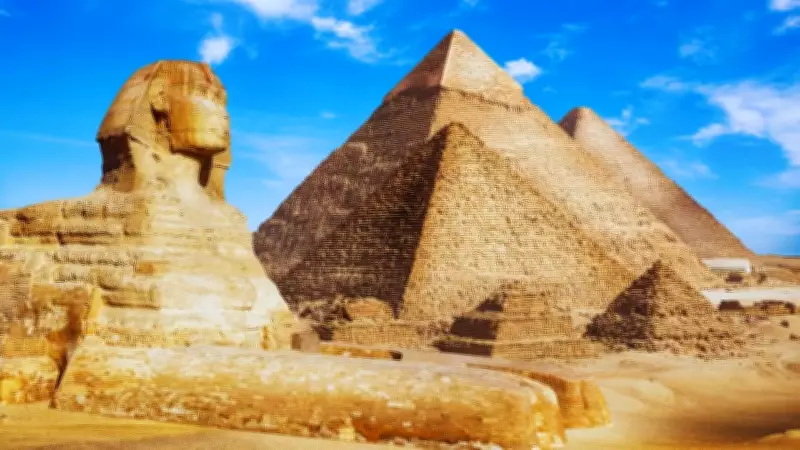
The Great Pyramid of Giza: The Sole Survivor
The only surviving wonder of the ancient world, the Great Pyramid of Giza in Egypt, stands as a timeless testament to human genius. Built around 2560 BCE as a tomb for Pharaoh Khufu, it originally soared to 146 metres, holding the record as the tallest man-made structure for over 3,800 years. Unlike its counterparts, it has withstood the ravages of nature and human activity, continuing to attract millions of visitors annually. Today, it remains one of the most iconic and enduring symbols of ancient civilization on Earth.