Ayodhya Boatmen Embrace New Role as Cultural Storytellers
The serene waters of the Sarayu river in Ayodhya are witnessing a remarkable transformation. Local boatmen, who have navigated these sacred currents for generations, are now learning to become storytellers. This shift comes as the Uttar Pradesh government launches its 'Smarak Naviks' training programme, aiming to elevate these traditional ferrymen into certified guides.
Three-Day Training Programme Underway
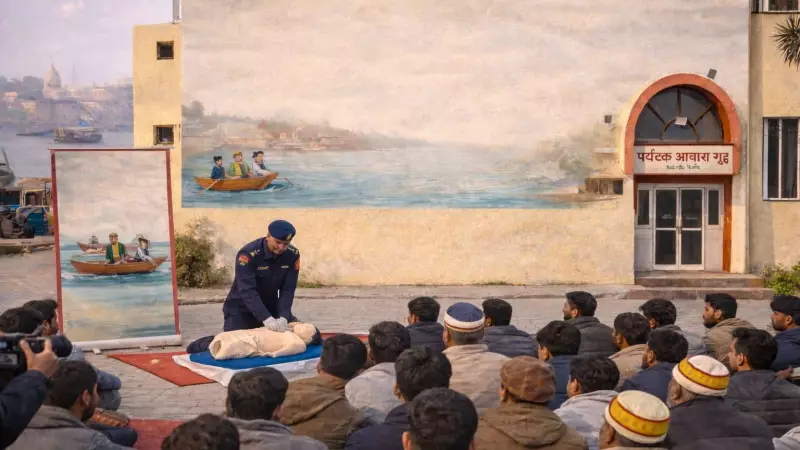
At least sixty boatmen from Ayodhya are currently participating in an intensive three-day training programme that began on January 15. These individuals, primarily from the Kevat, Mallah, and Nishad communities, are acquiring new skills that go beyond simply rowing boats. The training focuses on turning them into comprehensive service providers who can ensure visitor safety, guide tourists effectively, and share the rich cultural heritage of the Sarayu river.
"We have been rowing boats here since our fathers' time, but no one has ever called us guides," shares Moolchandra, one of the enthusiastic participants. "Now we are learning how to explain Ayodhya's stories and keep tourists safe. It gives us respect."

From Ferrymen to Cultural Ambassadors
The programme represents a significant change in perspective for many boatmen. Jagaram, another trainee, expresses how his outlook has evolved. "People come here from Delhi, Lucknow, and even from the South," he notes. "Earlier we just took them across. Now, we can tell them why the Sarayu is sacred and how Ram Katha is linked to these ghats."
Tourism and Culture Minister Jaiveer Singh explains the initiative's broader vision. "Ayodhya's story cannot be told without the Sarayu and those who live by it," he states. "By training boatmen in safety, communication, and storytelling, we are preparing them to serve visitors from across India and abroad while preserving their traditional occupation."
Comprehensive Skill Development
The training curriculum covers multiple essential areas:
- Storytelling techniques focusing on Ram Katha and local legends
- Understanding visitor behavior and responsible tourism practices
- Basic communication skills in Hindi and English
- Digital payment system operation
- Disaster management protocols
- CPR and first aid training conducted by the State Disaster Response Force
The Manyavar Kanshiram Institute of Tourism Management leads modules on storytelling, visitor behavior, and responsible tourism. This comprehensive approach ensures boatmen can interact confidently with tourists from various Indian states like West Bengal, Odisha, and Kerala, as well as international visitors.
Formal Recognition and Statewide Expansion
Upon completing the programme, trained boatmen will receive official identity cards, formalizing their new role within Ayodhya's tourism ecosystem. They will transition from being called 'Navik' to 'Navik Guide', reflecting their enhanced responsibilities.
This initiative in Ayodhya follows similar successful programmes across Uttar Pradesh. In recent weeks:
- Chitrakoot trained approximately 160 boatmen across two batches in December 2025
- Mirzapur trained around 65 boatmen from December 22 to 24
- Chunar trained over 60 boatmen from December 25 to 27
- Bateshwar, a major religious destination on the Yamuna, trained nearly 40 boatmen between January 5 and 7
An official involved in the programme summarizes the transformation beautifully. "As Ayodhya prepares to host growing numbers of domestic and international visitors, the Sarayu's boatmen are being positioned not just as navigators of the river, but as custodians of its stories."
The increased tourist footfall in Ayodhya has prompted this innovative approach to river tourism. By empowering local boatmen with new skills and formal recognition, the government aims to boost both tourism quality and boatmen's incomes, creating a sustainable model that honors tradition while embracing modern tourism demands.