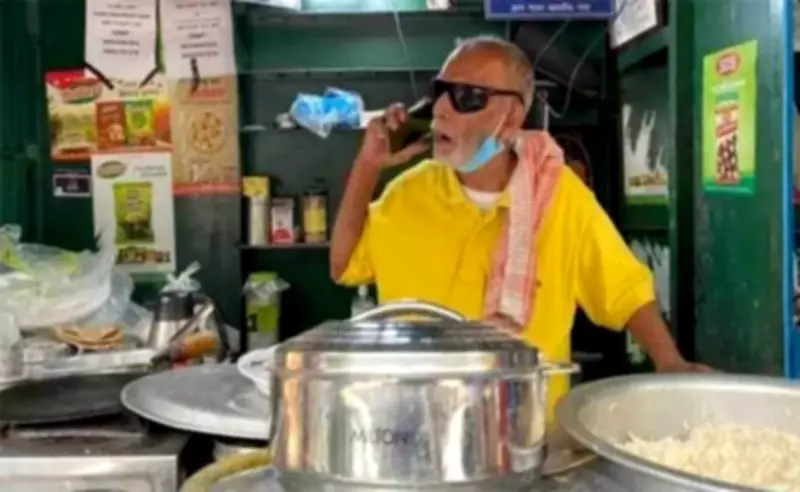
Baba Ka Dhaba: The Viral Video That Captured a Nation's Heart
Initially appearing as just another fleeting internet moment destined to fade quickly, a simple video clip featuring an elderly man weeping at a modest roadside eatery in Delhi achieved something extraordinary. It compelled millions to pause and look closer, transforming a local food stall's struggle into a powerful national narrative about compassion, survival, and the unpredictable force of social media.
The Video That Sparked a Movement
At the heart of this story were Kanta Prasad and his wife, Badami Devi, the elderly couple operating "Baba Ka Dhaba" in South Delhi's Malviya Nagar. In a video shared by food content creator Gaurav Wasan, Prasad emotionally described how their business had nearly collapsed during the pandemic lockdown, with daily sales dwindling to almost nothing. The raw, unfiltered clip spread rapidly across platforms.
The very next morning, customers began forming long queues outside their stall from the early hours. By noon, all their food was completely sold out. What made this moment particularly impactful was its genuine simplicity. There was no sophisticated marketing campaign, no corporate intervention, and no artificially created emotion. It was merely an elderly couple with their basic steel plates, suddenly revealing to the public how small businesses can fail not with dramatic announcements, but through quiet desperation—vanishing customers, disappearing earnings, and growing uncertainty about even the next meal.

From Decades of Obscurity to National Spotlight
Before the viral explosion, Baba Ka Dhaba had operated quietly for over three decades, serving affordable, home-style meals in South Delhi since 1990. According to BBC reports, Prasad and Devi maintained remarkably modest prices even as the pandemic severely impacted their livelihood. The video transformed their invisible daily battle into a national concern that India could no longer overlook.
Donations poured in from across the country, television news crews descended upon their stall, and the couple found themselves unexpectedly at the center of an overwhelming public response. Their story became a poignant snapshot of pandemic-era India, where small vendors, street food sellers, and informal workers suffered disproportionately when lockdowns emptied streets and offices. Baba Ka Dhaba evolved into symbolic shorthand for all those whose survival depended entirely on daily customer traffic and who possessed no financial safety net when that traffic vanished overnight.
The Complex Reality After Viral Fame
The sudden attention brought immediate financial support, food supplies, and unprecedented visibility. BBC reporting indicated that the influx of donations helped Prasad clear existing debts, undertake necessary home repairs, and secure consistent meals for his family. Emboldened by this momentum, he launched a new restaurant in December 2020 near their original stall location, briefly suggesting that the viral rescue might create permanent transformation.
However, the path following internet fame proved unexpectedly challenging. By early 2021, the restaurant had closed its doors, and Prasad returned to operating the original roadside stall. Reports from June 2021 revealed that life had essentially come full circle, with Prasad back at the same modest eatery mere months after attempting an ambitious expansion. This detail speaks volumes about the nature of viral attention—while internet fame can dramatically elevate expectations overnight, converting that sudden spotlight into a stable, sustainable livelihood presents far greater difficulties.
Controversy and Complication
The Baba Ka Dhaba narrative entered a more complex phase when Prasad filed a police complaint in November 2020, alleging improper handling of funds collected in his name. Multiple media outlets covered the complaint, and although both sides later indicated the matter had eased, the episode subtly highlighted a broader reality: viral generosity can mobilize rapidly, but managing sudden public attention often introduces unexpected complications and challenges.

This controversy never completely erased the original story's impact but rather added layers of complexity. The couple undoubtedly received crucial help, yet they were also thrust into an intense spotlight they never sought, with financial contributions, media publicity, and public scrutiny all arriving simultaneously. For elderly street-food vendors accustomed to quiet routines, absorbing such dramatic changes within a single season proved overwhelming.
The Present Chapter and Lasting Legacy
The most recent available reporting from May 2025 indicates that Prasad has permanently returned to operating his original dhaba following the restaurant's closure, with the familiar stall once again becoming the focal point of his daily work. The viral moment delivered significant temporary support and briefly opened doors to larger entrepreneurial dreams. Ultimately, however, it also guided him back to the humble eatery where his story first captured the internet's collective attention.
This may represent the most authentic conclusion possible. Baba Ka Dhaba was never merely about a feel-good video that briefly touched hearts. It was fundamentally about an elderly couple fighting to stay financially afloat, a city that momentarily noticed their struggle, and a fragile form of hope that arrived through digital screens before confronting the realities of daily survival. The fact that Prasad returned to his original stall makes the narrative more genuinely human, not less compelling.
Why This Story Endures in Public Memory
Years later, Baba Ka Dhaba remains memorable because it captured something far larger than a single food stall. It demonstrated how rapidly people can rally around human dignity when presented with a relatable face and story. Simultaneously, it revealed how quickly that collective concern can dissipate once social media feeds move on to new trends.
The couple's journey is no fairy-tale resolution. It is something more resilient, more complicated, and ultimately more revealing: a genuine portrait of public survival. The original video lasted mere minutes, but its aftermath extended across years—feeding a family, sparking national debates, inspiring a restaurant venture, triggering financial controversies, and finally returning an elderly man to the exact roadside stall where the country first discovered him.
That enduring complexity explains why Baba Ka Dhaba continues to matter. It was never just a viral clip. It represented an entire life exposed to the internet's transformative power and permanently altered by that exposure.