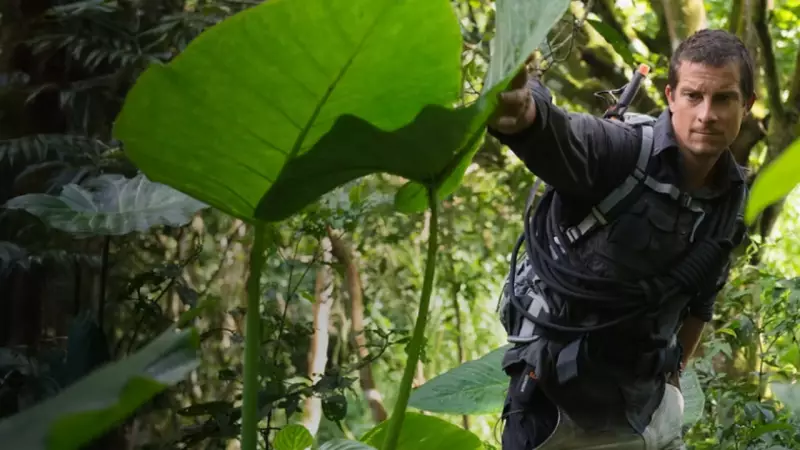
For countless viewers, the dense, untamed jungle exists primarily as a thrilling backdrop on their television screens. It's a world of vibrant green walls, dripping foliage, and mysterious sounds, often associated with distant national parks. Yet, for the iconic adventurer Bear Grylls, these wild spaces serve as the ultimate classroom. Through years of filming groundbreaking series like Man vs. Wild, Grylls has navigated treacherous rainforests, endured nights under insect-filled canopies, and pushed human limits in the most isolated corners of the planet. His adventures have inspired a generation to embrace the outdoors, carrying with them profound lessons in courage and composure. The power of his guidance lies not in complex techniques, but in its fundamental simplicity. True survival, as Grylls emphasizes, is seldom about brute strength. It's about making calm, decisive choices early on, especially when fear screams the loudest. Here, we explore five critical jungle survival tips that Bear Grylls consistently advocates, framed not as mere instructions, but as hard-earned wisdom from the field.
Master Your Mind: The First Rule of Survival
The jungle can swiftly overwhelm anyone. The intense heat, stifling humidity, constant cacophony of wildlife, and the unnerving sensation of being watched can trigger a spiral of panic. Bear Grylls frequently points out that the most perilous moment isn't the initial crisis, but the minute immediately following it. This is when people tend to bolt recklessly, burn precious energy, or wander in disoriented circles. His cardinal rule for anyone finding themselves stranded is to pause before taking any action. This deliberate pause is the cornerstone of survival. By focusing on slow, controlled breathing, grounding oneself in the present, and engaging in clear thinking, a minor setback can be prevented from escalating into a life-threatening disaster. Survival, therefore, begins as a mental battle long before it becomes a physical ordeal.
Prioritize Hydration Over Hunger
While hunger is uncomfortable, dehydration in a tropical environment is a silent and rapid killer. The jungle's heat causes the body to sweat profusely, depleting fluids faster than most people anticipate. Grylls' protocol is unequivocal: securing a water source takes absolute precedence within the first few hours of being stranded. He has demonstrated numerous methods, from extracting water from specific vines and broad leaves to collecting morning dew. His lessons show that even muddy water can be made potable by filtering it through cloth and boiling it thoroughly. The takeaway is a stark reminder of priorities: the human body can survive for days without food, but only a short time without water. It's a fundamental truth often underestimated until it's critically late.

Build Shelter for Protection, Not Comfort
In the wilderness, a shelter's primary purpose isn't a good night's sleep; it's a vital layer of protection. A sudden downpour can soak you to the bone in minutes, leading to a dangerous drop in core body temperature. Insects may carry diseases, and the ground itself can be hostile. Grylls advocates for constructing simple, effective shelters quickly using available materials like branches, vines, and large leaves. These structures may not win aesthetic awards, but they create a crucial barrier against rain, wind, and pests. He stresses the importance of building this refuge well before nightfall, when visibility plummets and the margin for error shrinks. A rudimentary shelter built early is infinitely more valuable than a perfect one constructed too late.

Fire: The Ultimate Morale Booster
Starting a fire in the damp jungle is famously difficult, yet Grylls treats it as non-negotiable. Its value extends far beyond providing warmth or cooking food. Fire is a profound psychological tool. It generates light in the darkness, helps ward off curious animals, dries wet clothing, and, most importantly, provides an immeasurable boost to morale. Grylls teaches how to find dry tinder inside dead branches or under tree bark, and how to shield nascent sparks from moisture using one's own body. When a flame finally catches, it represents more than just heat; it's a tangible symbol of hope and a reminder that you still retain some control over your situation.
Conserve Energy: The Jungle is Deceptively Draining
The jungle environment is misleading. What looks like a short distance can take hours to traverse due to thick undergrowth, tangled vines that snag at your legs, and heat that relentlessly saps your strength. Grylls consistently warns against unnecessary movement, as every step consumes valuable energy and calories are a precious commodity. Instead of constant, frantic motion, he advises a strategy of keen observation. Listen to your surroundings, learn the terrain, and if movement is essential, follow natural pathways like animal trails or streams. The goal of survival is not to cover vast distances; it's to endure long enough to be rescued or to find a safe way out.
Why These Lessons Matter in Everyday Life
The enduring relevance of Bear Grylls' jungle wisdom lies in its powerful parallel to our daily lives. Managing panic, prioritizing essential needs, and conserving resources are universal survival skills. The jungle merely strips away modern distractions, presenting these principles in their rawest form where consequences are immediate and undeniable. Grylls' core message isn't about being fearless. It's about cultivating a deep respect—for the power of nature, for your own limitations, and for the value of preparation. This mindset is equally crucial when embarking on any travel or facing personal challenges. The wilderness is indifferent to who you are. But if you can maintain calm, think with clarity, and act with deliberate purpose, you stand a much better chance of navigating through it successfully. And that, as Bear Grylls would undoubtedly argue, is the true art of survival, both in the wild and beyond.