

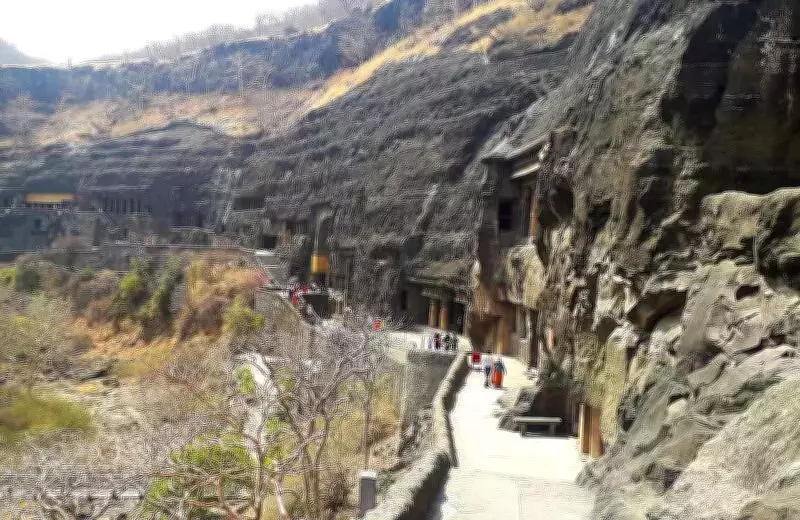
Honeybee Swarm Injures Over 30 at Ajanta Caves, ASI Issues Safety Warning
Chhatrapati Sambhajinagar: A sudden and aggressive honeybee swarm attacked at least 30 individuals, including tourists from Sri Lanka and Archaeological Survey of India (ASI) personnel, near the parking area of the renowned Ajanta Caves on Tuesday afternoon. The incident, occurring around 4 pm, resulted in minor injuries to all affected persons, with several requiring immediate medical attention at a private hospital in Fardapur.
Monkeys Trigger Bee Aggression in Parking Zone
According to ASI officials, the attack was likely provoked when a troop of monkeys climbed a tree housing a large beehive within the parking zone. "The disturbance caused by the monkeys agitated the bees, leading to a swarm that rapidly spread across the parking area," explained Manoj Pawar, a conservation assistant with ASI. "People present were stung as they scrambled for safety—some rushed into their vehicles, while others took refuge in nearby shops."
Summer Season Heightens Bee Activity at Heritage Sites
Officials highlighted that the UNESCO World Heritage Sites of Ajanta and Ellora Caves are particularly susceptible to heightened honeybee activity during the summer months. "We consistently advise visitors to adhere to safety protocols to minimize such risks," Pawar emphasized. Key precautions include avoiding the use of strong deodorants, body sprays, or perfumes, as these fragrances can attract or provoke bees. Additionally, generating any form of smoke in the area is strongly discouraged, as it can trigger aggressive behavior in bee colonies.

Expert Insights on Habitat and Preventive Measures
Wildlife expert Ashish Joshi provided further context, noting that the unique rock formations of the caves, combined with the surrounding native vegetation, create an ideal habitat for honeybees. "The ecological setup here naturally supports bee populations, making adherence to ASI guidelines crucial for visitor safety," Joshi stated. He reiterated the importance of avoiding strong odors and any activities that might disturb the bees, emphasizing that such measures are vital for preventing future incidents.
Historical Incidents and Mitigation Efforts
This is not the first occurrence of bee attacks at these historic cave sites. Past incidents have prompted the forest department to undertake proactive measures, including the relocation of large beehives from the vicinity to reduce potential threats to tourists and staff. Despite these efforts, the recent attack underscores the ongoing challenges in managing wildlife interactions at popular heritage destinations.
The ASI continues to monitor the situation closely, reinforcing safety advisories and working with local authorities to enhance protective measures. Visitors are urged to remain vigilant and follow all posted guidelines to ensure a safe and enjoyable experience while exploring these cultural treasures.






