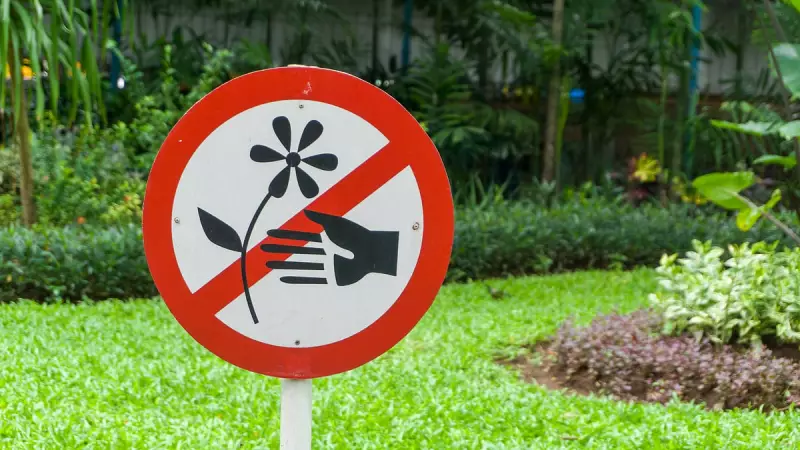
India's botanical gardens offer breathtaking natural beauty and peaceful retreats from urban chaos, but many visitors unknowingly break important rules that protect these delicate ecosystems. Understanding proper garden etiquette ensures everyone can enjoy these green spaces while preserving them for future generations.
Essential Guidelines for Botanical Garden Visitors
When entering any botanical garden in India, remember you are stepping into a living museum of plants. These gardens serve crucial roles in conservation, research, and education beyond mere recreation. The plants you see represent years of careful cultivation and scientific study.
Most botanical gardens display clear signage about permitted and prohibited activities. Take a moment to read these rules at the entrance rather than discovering them after making mistakes. The regulations exist not to restrict your enjoyment but to protect both visitors and the plant collections.

What You Should Always Do in Botanical Gardens
Stay on designated pathways and walking trails throughout your visit. These paths are carefully planned to guide visitors through the gardens without damaging sensitive plant roots or compacting soil around valuable specimens. Wandering off marked areas can unintentionally harm rare plants or disrupt ongoing research projects.
Always maintain supervision of children during garden visits. Teach them to appreciate plants without touching or picking them. Many botanical gardens offer special children's areas or educational programs designed specifically for younger visitors to explore safely.
Dispose of all waste properly using designated bins. If you cannot find a trash can, carry your garbage with you until you locate one. Better yet, reduce waste by bringing reusable water bottles and containers for any snacks you might carry.
Photography for personal use is generally permitted, but commercial photography typically requires special permission. When taking pictures, be mindful of other visitors and avoid blocking pathways. Never step into flower beds or restricted areas to capture the perfect shot.
Respect the peaceful atmosphere that botanical gardens provide. Keep noise levels moderate so all visitors can enjoy the natural sounds of birds and rustling leaves. This consideration becomes especially important in meditation gardens or quiet zones.
Common Mistakes to Avoid in Botanical Gardens
Never pick flowers, leaves, seeds, or fruits from garden plants. Unlike public parks, botanical gardens maintain plant collections for scientific and educational purposes. Removing any plant material disrupts research and diminishes the experience for other visitors. Some rare plants might represent the last surviving specimens of their species.
Avoid bringing outside plants or flowers into the garden. This precaution helps prevent the introduction of pests, diseases, or invasive species that could devastate the existing collection. Many gardens have strict biosecurity measures for this reason.
Refrain from touching plants unless specifically invited to do so by garden staff. Many plants have delicate surfaces easily damaged by human contact, while others may contain irritants, thorns, or toxins that could cause discomfort or allergic reactions.
Do not climb trees, rocks, or garden structures. While tempting for photography or children's play, this behavior risks personal injury and potential damage to valuable plants and installations. Use provided benches and viewing platforms instead.
Leave pets at home unless the garden explicitly permits them. Even well-behaved animals can disturb wildlife, damage plants, or create discomfort for other visitors. Service animals typically represent an exception to this rule, but checking garden policies in advance remains wise.
Making the Most of Your Botanical Garden Experience
Consider joining guided tours when available. Knowledgeable guides provide fascinating insights about plant history, conservation efforts, and unique characteristics you might otherwise miss. These experts can answer specific questions and help you appreciate the garden's highlights.

Plan your visit according to seasonal attractions. Many botanical gardens feature spectacular flower displays during specific months, while greenhouses offer consistent climate-controlled environments year-round. Checking the garden's website or social media before visiting helps you time your trip for optimal enjoyment.
Support the garden's mission by purchasing memberships or making donations if you find yourself visiting frequently. These contributions help maintain plant collections, fund educational programs, and support conservation research that benefits global biodiversity.
By following these simple guidelines, you contribute to the preservation of India's precious botanical heritage while ensuring these green oases remain available for future generations to enjoy. Botanical gardens represent living libraries of plant diversity, and respectful visitors play a vital role in their continued success.