The Indian government has unveiled ambitious plans to promote thematic tourism across the country, targeting diverse attractions from Himalayan trekking trails to ancient archaeological excavations. Finance Minister Nirmala Sitharaman announced these initiatives during her budget speech on Sunday, outlining a comprehensive strategy to enhance India's tourism infrastructure and experiences.
Focus on Heritage and Adventure Destinations
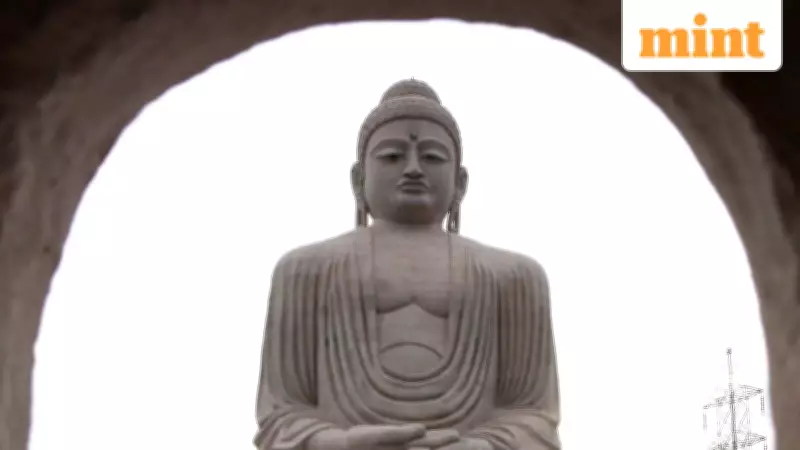
Among the key proposals are the development of trekking routes in the Himalayas and Western Ghats, along with enhanced access to archaeological sites including Indus Valley Civilisation excavations in Gujarat and Haryana. Buddhist heritage sites in northeastern states will also receive special attention as part of this thematic tourism push.
"Excavated landscapes will be opened to the public through curated walkways," Sitharaman declared, proposing the development of 15 archaeological sites for tourism. These include prominent locations such as Lothal and Dholavira in Gujarat, Sarnath in Uttar Pradesh, and Leh Palace in Ladakh.

Technological Enhancements for Visitor Experience
The minister emphasized the integration of immersive storytelling technologies to improve visitor engagement at conservation labs, interpretation centers, and through guided tours. "Immersive storytelling skills and technologies will be introduced to help conservation labs, interpretation centres, and guides," she stated, highlighting the government's commitment to modernizing India's tourism offerings.
Swadesh Darshan Scheme Allocation
These projects will be implemented under existing tourism ministry schemes, primarily the Swadesh Darshan program aimed at developing sustainable and responsible tourism destinations. However, budget documents reveal that the government's allocation to the Swadesh Darshan scheme has seen minimal increase, with ₹1,905 crore earmarked for FY27 compared to ₹1,900 crore in FY26.
Interestingly, utilization of funds under this scheme has been relatively low, with only ₹517 crore spent out of the total FY26 outlay of ₹1,900 crore. Despite this, the tourism ministry reported completing 75 out of 76 sanctioned projects with a total outlay of ₹5,290.33 crore as of December last year.
Guide Training and Skill Development
A significant component of the tourism push involves human resource development. The finance minister proposed a hybrid pilot scheme to train and upskill 10,000 guides across India's top 20 tourist destinations. This initiative aims to address the shortage of certified professionals in the tourism sector.
"We need to have more people as certified guides," emphasized Bharat Gothoskar, founder of Mumbai-based Khaki Tours, which specializes in heritage walking tours. "The finance minister clearly identified that people are moving away from sightseeing and looking for heritage-based storytelling."
Tourism Sector Growth and Challenges
India's tourism industry has shown remarkable resilience, largely driven by religious pilgrimages and spiritual tourism. According to industry experts, religious tourism accounts for nearly two-thirds of domestic tourist movement in India.
Anand Ramanathan, partner and consumer industry leader at Deloitte, noted: "Religious tourism accounts for almost two-thirds of domestic tourists and is a very significant contributor to the growth of the overall travel and tourism sector." He added that substantial improvements are needed in transport infrastructure, accommodation capacity, and tourist information access to make this sector world-class.
Infrastructure Development for Smaller Cities
The budget also includes provisions for developing tourism infrastructure in tier II and tier III cities through the City Economic Regions (CER) initiative, which has received an allocation of ₹5,000 crore over five years for each CER.
"We like the focus on tier II and tier III cities, including temple towns, through the city economic regions development budgetary allocation," said Aloke Bajpai, group CEO of online travel platform Ixigo. "This should result in a big boost for tourism in those cities."

International Comparisons and Future Outlook
Despite these initiatives, industry observers note that India still lags behind several Asian counterparts in developing world-class thematic tourist circuits. Countries like Vietnam and Uzbekistan have made significant strides in this area over the past decade through government incentives and infrastructure development.
Rajnish Kumar, group co-CEO of Ixigo, expressed optimism about the government's direction: "The emphasis on nature-based and experience-led tourism with plans to build ecologically sustainable trekking and hiking trails across key mountain and forest regions is particularly encouraging."
The tourism sector is projected to double to ₹42 trillion by 2035 and generate 64 million jobs, with domestic travel expected to drive much of this growth. International tourist arrivals also showed healthy growth, reaching 20.57 million in 2024, representing an almost 9% year-on-year increase.
As India positions itself as a diverse tourism destination, the success of these thematic initiatives will depend on effective implementation, adequate funding utilization, and sustained focus on both infrastructure development and human resource training across the tourism value chain.