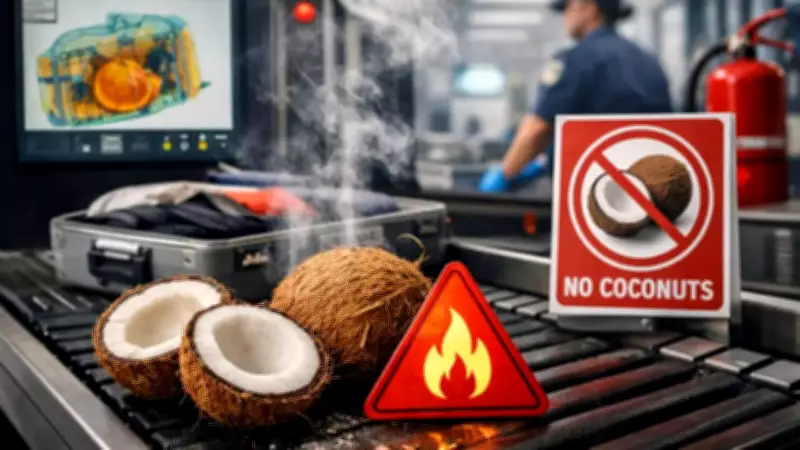
Why Coconuts Are Prohibited on Aircraft: Unpacking Aviation Safety Rules
Air travel involves numerous strict regulations designed to ensure passenger safety, including bans on sharp objects, large liquid quantities, and flammable materials. Among these rules, one that often surprises travelers is the restriction on carrying coconuts. This seemingly harmless item, commonly used in religious ceremonies, cuisine, and daily life, poses significant risks in the aviation environment, leading to its prohibition on flights.
The Fire Hazard: High Oil Content in Coconuts
The primary reason coconuts are banned on flights is their high oil content, which makes them highly flammable. Dry coconuts, known as copra, contain substantial amounts of oil that can ignite under certain conditions, such as exposure to sparks or elevated temperatures. According to international aviation safety standards set by the International Air Transport Association (IATA), materials classified as flammable or capable of self-heating are strictly restricted on aircraft. Dried coconut falls into this category due to its oil-rich composition, posing a fire risk in both cabin and cargo areas where even minor hazards are taken seriously to prevent incidents rather than react to them.
Pressure and Structural Concerns During Flight
Another lesser-known risk involves air pressure changes during flights. Coconuts contain both liquid and air pockets inside their hard shells. As aircraft ascend and descend, pressure differentials can cause the coconut shell to crack or leak. While this might seem trivial, any unexpected leakage could lead to complications, such as:

- Damage to luggage or cargo
- Potential slip hazards in the cabin
- Interference with aircraft systems if fluids seep into sensitive areas
This pressure-related vulnerability adds another layer to why aviation authorities deem coconuts unsafe for air travel.
Security Scanning Challenges at Airports
Airport security relies heavily on X-ray scanners to detect potential threats in baggage. However, the dense, hard outer shell of coconuts obstructs clear visibility, making it difficult for security personnel to ascertain what is inside. In high-security environments like airports, any item that cannot be easily scanned raises suspicion and may be prohibited to mitigate risks. This scanning limitation further justifies the ban, as authorities prioritize transparency and safety in all carried items.
Additional Risks: Physical Hazards and Turbulence
Beyond chemical and pressure risks, coconuts present physical dangers. They are solid, heavy objects that could become projectiles during turbulence, potentially causing injury or damage. The hard shell could also shift unexpectedly in luggage, leading to structural issues. Although not the main reason for the ban, this factor contributes to aviation authorities' comprehensive safety assessments, ensuring all potential hazards are addressed.
Exceptions and Traveler Advice
In some cases, airlines may allow coconuts if they are cut into small pieces and securely packed in checked baggage, depending on specific carrier regulations. However, carrying whole coconuts or dried copra is generally prohibited in both cabin and checked baggage. Travelers are advised to avoid carrying coconuts altogether to prevent delays and ensure compliance with safety protocols. Always check with your airline before packing any questionable items to avoid surprises at security checkpoints.
Understanding these regulations highlights how ordinary items like coconuts can pose significant risks in aviation, underscoring the importance of adhering to safety rules for a secure travel experience.