All Countries with Four-Letter Names Around the Globe
Many countries have long names, but a special group keeps it short. These nations share just four letters in their names. They differ in politics, size, and culture. You can find them across continents and oceans.
Guam
Guam sits in the western Pacific Ocean as a territory of islands. Its society blends indigenous Chamorro culture with outside influences from centuries of ocean travel. The island serves as a key administrative, economic, and military hub. It maintains a strong local identity through language, customs, and community traditions.
Iran
Iran boasts a rich history dating back thousands of years. Once known as Persia, it has shaped art, literature, science, architecture, and politics. Modern Iran balances ancient traditions, religious institutions, and contemporary political dynamics. It remains a key player in regional and global affairs.

Laos
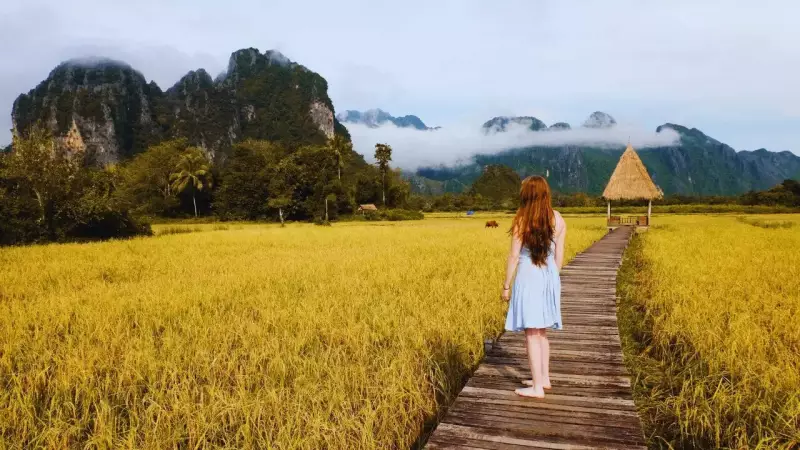
Laos is a landlocked state in Southeast Asia with deep ties to Theravada Buddhism. Its culture reflects agricultural and river-based traditions. Despite influences from imperialism and neighboring countries, Laos preserves strong village life and social organization.
Niue
Niue ranks among the world's smallest countries by population and size. Located in the Pacific Ocean, it has a free association agreement with New Zealand. This makes Niue a self-governing state. The country features closely linked communities, community decision-making, and marine ecosystem preservation.
Chad
Chad lies at the center of Africa with diverse natural environments. The north has deserts, while the south offers agricultural areas. Chad is a multicultural nation with many tribes speaking various languages. These groups coexist despite complex societal structures.
Cuba
Cuba is a Caribbean country shaped by colonialism, revolution, and global geopolitics. Its society blends African, American, and indigenous cultures. This mix appears in language, art, and societal habits.
Fiji
Fiji consists of Pacific islands with a population of mixed ethnic groups. Indigenous cultures meet the effects of migration and colonialism. Fiji acts as a significant political entity in the Pacific region. It balances modern governance structures with traditional elements.
Iraq
Iraq, once Mesopotamia, is known as the Cradle of Civilization. Mesopotamian societies pioneered writing, laws, and city planning. Today, Iraq rebuilds itself while navigating complexities from its rich past.
Mali
Mali has a rich historical background linked to West African empires. These empires controlled important trade routes across the Sahara. Mali also hosted learning centers that attracted Islamic scholars. Modern Malian society values oral cultures, music, and community-based systems.
Peru
Peru's history spans thousands of years, starting with pre-Columbian civilizations. The Inca Empire plays a central role, while colonialism added new cultural and political influences. This history defines Peru's language, customs, and national identity.
Oman
Oman has a long maritime history, trading across the Indian Ocean for centuries. Its strategic coastal location fostered strong economic and diplomatic connections. The country maintains a distinct cultural identity and governance structure emphasizing continuity and stability.
Togo
Togo is a West African country with a narrow geographic profile but diverse cultural landscape. Its history includes pre-colonial kingdoms, European colonial rule, and post-independence nation-building. Togo's society mixes traditional authority systems with modern political institutions, reflecting strong regional and ethnic identities.