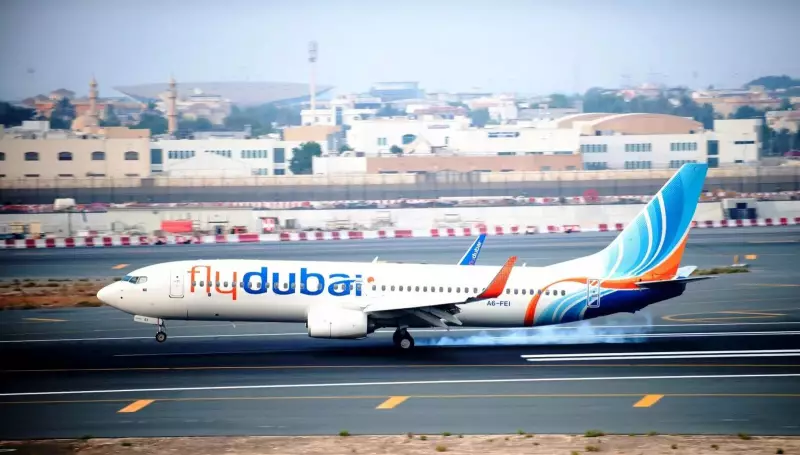
In a significant travel disruption, hundreds of passengers were left grounded on Friday, January 9, 2026, as multiple airlines abruptly cancelled flights from Dubai to key Iranian cities. This swift action was a direct response to escalating civil unrest within Iran and heightened uncertainty across the region.
Flights Grounded: The Immediate Impact
Data from the Dubai Airports website confirmed the cancellations were not mere delays but a precautionary, safety-first measure. At least six major flights operated by flydubai were axed from the schedule, severing crucial air links. The impacted destinations included Iran's primary hubs: Tehran (IKA), Shiraz (SYZ), and Mashhad (MHD).
While Dubai International Airport (DXB) remained operational, ground staff were busy rerouting affected passengers, turning what is usually a short hop across the Gulf into an uncertain waiting game. This mirrors a broader regional trend, with airlines like Turkish Airlines also scrapping seven flights to Tehran earlier in the week.

Airline Strategies and the New Transit Rule
Different carriers adopted varied strategies to manage the crisis. Flydubai took the direct approach by cancelling its services. Emirates, however, focused on its extensive transit network, implementing a critical new rule to prevent passengers from becoming stranded in Dubai.
Emirates officially stated that customers beginning their journey from cities like London, Paris, or New York would not be accepted for travel if their final destination was Iran, Iraq, or Jordan, with a connection in Dubai. This means journeys for such passengers are now paused at their point of origin until the situation stabilises.
Air Arabia, operating from Sharjah, also advised passengers to expect potential delays or short-notice cancellations as it continuously reviews its schedule.
Why the Cancellations? Unrest and Economic Turmoil
The root cause of these flight suspensions is a massive wave of civil unrest sweeping Iran. The trigger was a sudden 30% devaluation of the Iranian Rial coupled with soaring inflation in late December 2025. This economic shock sparked protests that have now spread to over 150 locations across 27 provinces.
The protests have evolved into a significant political challenge. State TV has reported street battles and debris-strewn roads in major cities, including Tehran, Isfahan, and Mashhad. Slogans like "Not Gaza, not Lebanon, my life for Iran" have highlighted public frustration with the government's focus on regional proxy conflicts amid domestic economic hardship. For airlines, this level of internal instability poses unacceptable operational risks for crew and passenger safety.
What Travellers Must Do Now
For anyone planning travel between the UAE and Iran, following these steps is crucial:
- Check Flight Status Religiously: Before heading to the airport, confirm your flight's status via the airline's official website or mobile app.
- Enable Official Notifications: Ensure your contact details with the airline are current to receive SMS or email updates directly.
- Know Your Rights: If your flight is cancelled by the airline, you are typically entitled to free rebooking, changes, or a full refund as per carrier policy.
- Monitor Travel Advisories: Stay informed about government-issued travel warnings and airspace updates, as these directly influence airline operations.
This episode underscores the critical importance of flexible travel arrangements and staying informed during periods of regional volatility. While some services may resume as assessments change, schedules remain highly susceptible to regulatory and safety decisions. Frequent checks of airline notifications and airport advisories are the best defence against travel surprises.