Eight Surprising Facts About Mount Everest You Probably Didn't Know
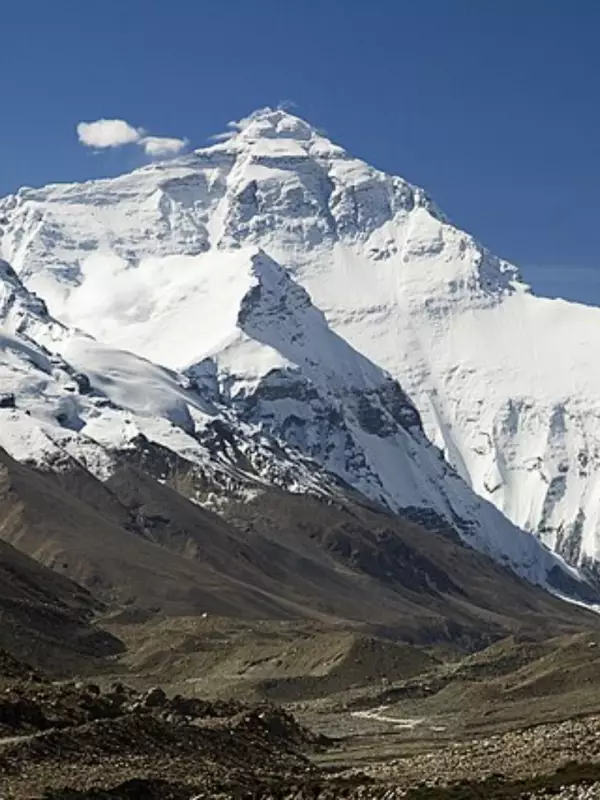
Mount Everest stands as the tallest mountain on Earth. Yet, many people only know its basic statistics. The peak holds fascinating secrets that often go unnoticed. Here are eight things you might not know about this iconic mountain.
Everest's Height Changes Over Time
Mount Everest does not have a fixed height. Geologists measure it regularly. Tectonic plate movements cause the mountain to shift. In 2020, Nepal and China announced a new official height. They set it at 8,848.86 meters above sea level. This update came after detailed surveys. The previous measurement was slightly lower. The mountain continues to grow slowly each year.
The First Ascent Happened in 1953
Sir Edmund Hillary and Tenzing Norgay made history. They reached the summit on May 29, 1953. Their successful climb marked a major milestone in mountaineering. Before this attempt, many expeditions failed. The duo used oxygen tanks to help with the thin air. Their achievement inspired countless climbers worldwide.

Everest Has Two Main Climbing Routes
Climbers typically choose between two paths. The Southeast Ridge route starts in Nepal. The North Ridge route begins in Tibet. Each route presents different challenges. The Southeast Ridge is more popular. It offers slightly easier terrain. The North Ridge involves crossing a treacherous icefall. Both routes demand extreme skill and preparation.
The Death Zone Poses Severe Risks
Areas above 8,000 meters earn the name "Death Zone." Oxygen levels drop dangerously low here. Human bodies struggle to function properly. Climbers face risks like altitude sickness and frostbite. They must move quickly through this zone. Most deaths on Everest occur in the Death Zone. Proper acclimatization reduces these dangers.
Everest Generates Significant Waste
Thousands of climbers visit Everest each year. They leave behind tons of garbage. This includes oxygen cylinders, tents, and food wrappers. Clean-up efforts have increased recently. Nepal now requires climbers to bring back their trash. Special teams also conduct annual clean-up campaigns. These initiatives help protect the fragile environment.
The Weather Can Change Rapidly
Everest's weather is notoriously unpredictable. Storms can arrive without warning. Temperatures plunge below minus thirty degrees Celsius. High winds make climbing nearly impossible. Climbers rely on short weather windows. They usually attempt the summit in May. This month offers the most stable conditions.
Sherpas Play a Crucial Role
Local Sherpa guides are essential for most expeditions. They carry heavy loads and set up camps. Their knowledge of the mountain saves lives. Many Sherpas have climbed Everest multiple times. They face the same risks as foreign climbers. Their contributions often go underappreciated.
Everest's Name Honors a British Surveyor
The mountain bears the name of Sir George Everest. He served as the Surveyor General of India in the 19th century. Local communities use different names. In Nepal, people call it Sagarmatha. Tibetans refer to it as Chomolungma. These names mean "Goddess of the Sky" or similar terms.
Mount Everest continues to captivate adventurers and scientists alike. Its mysteries remind us of nature's power. Understanding these facts deepens our appreciation for this majestic peak.