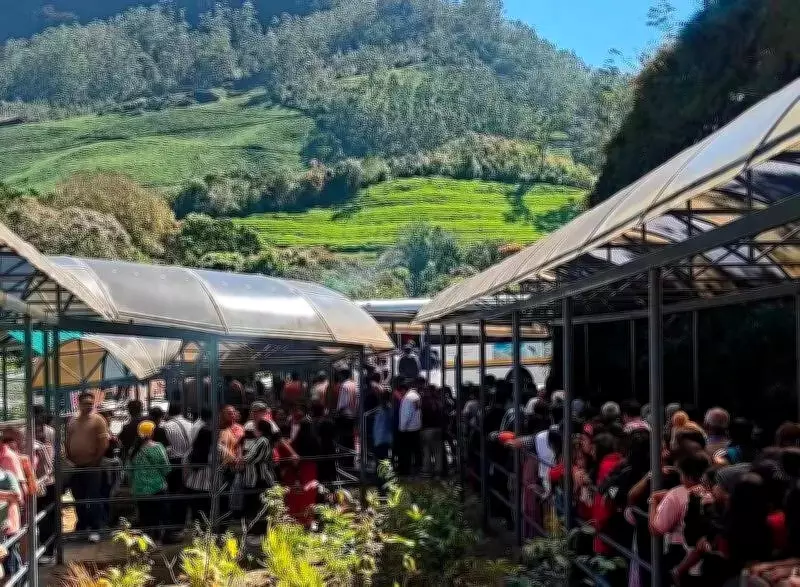
Eravikulam National Park Reopens to Tourists After Breeding Season Closure
Munnar's iconic Eravikulam National Park, renowned as the primary habitat for the endangered Nilgiri tahr and the spectacular Neelakurinji flowers, has officially reopened its gates to visitors for the summer season. The park had been closed for the past two months to protect the breeding activities of the tahrs, a critical conservation measure.
Newborn Nilgiri Tahrs Spotted Across the Park
During the closure period, wildlife officials and researchers observed several newborn tahr younglings in various regions of the park, including Kumarikkal, Anamudi, Varayattumotta, Mesthrikkettu, Lakkam, and Rajamala. The exact number of newborns is still being tallied, with an official census led by the Munnar wildlife division expected to provide precise figures soon.
Historical data highlights the park's successful conservation efforts:

- In 2024, a total of 841 tahrs were recorded, including 144 newborns.
- The 2023 count stood at 803 tahrs, with 128 younglings.
Rajamala and Scenic Beauty Attract Visitors
Rajamala, a major attraction within Eravikulam National Park, continues to draw crowds with its breathtaking vistas, rivaling the famous tea plantations of Munnar. The area offers panoramic views that are a paradise for photography enthusiasts, providing countless picture-perfect frames.
Eco-Friendly and Accessible Features
Eravikulam National Park holds the distinction of being Kerala's first eco-friendly and disabled-friendly national park. Designed with inclusivity in mind, it features:
- Buggy cars and buses for easy exploration of its natural landscapes.
- A carbon-negative status, underscoring its commitment to sustainable tourism and environmental preservation.
Visitor Information and Management
The best time to visit is between April and May, when wildlife sightings increase as animals emerge from dense forest areas. However, entry is typically restricted after May due to the onset of the monsoon season.
With the reopening, a surge of tourists is expected, particularly to see the newborn tahrs. To manage the influx:
- Entry is strictly through online booking via official websites.
- A daily cap of 2,880 visitors is enforced.
- Park hours are from 8:00 AM to 4:30 PM.
This structured approach ensures a balanced experience for visitors while safeguarding the park's delicate ecosystem.