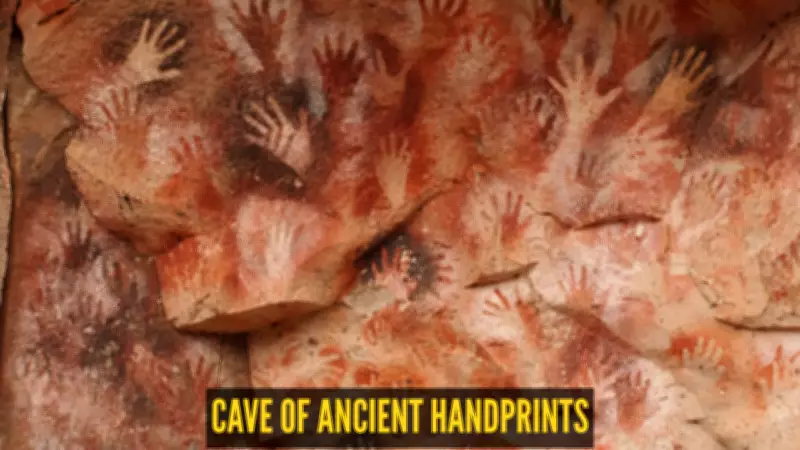
A Glimpse into Prehistoric Art
Deep in the plains of Argentine Patagonia, where striking cliffs and silent valleys meet, lies Cueva de las Manos, or the Cave of the Hands. This extraordinary site, dating back over 9,000 years, safeguards thousands of prehistoric handprints, hunting depictions, and symbols. It offers a rare window into humanity's earliest artistic expressions and was declared a UNESCO World Heritage Site in 1999.
Location and Natural Beauty
Cueva de las Manos is nestled in the northwest of Santa Cruz Province, within the stunning Pinturas River Canyon. The canyon's vibrant volcanic rock, carved over centuries by flowing water, creates a breathtaking backdrop. The surrounding terrain blends craggy cliffs, sweeping grasslands, and lush valleys, making the journey as memorable as the destination. The site is protected within Cueva de las Manos Provincial Park and neighboring Patagonia Park.
The History Behind the Cave
Around 7,300 BC, early hunter-gatherers, believed to be forebears of the Tehuelche people, began leaving their marks. The cave features over 2,000 handprints created using a negative stencilling technique: artists pressed their hands against the stone and blew natural pigments through hollowed animal bones. Colors came from local materials—iron oxides for reds and purples, kaolin for white, natrojarosite for yellows, and manganese oxide for black. Many prints remain vibrant after millennia. Alongside hands, the walls display geometric shapes, wildlife, human figures, and hunting scenes. A mystery persists: many handprints appear to have missing fingers, possibly due to intentional folding as early sign language or symbolism.

Activities for Visitors
Guided Cave Tours
To protect the delicate artwork, entry is only with a guide. A timber walkway leads through rock shelters, where guides explain the paintings' meanings, techniques, and history.
Hiking in Pinturas River Canyon
The Bajada de los Toldos trail offers a scenic descent into the canyon, crossing the Pinturas River to reach the cave entrance.
Tierra de Colores Trail
Near the northern park entrance, this easy trail winds through pink, orange, and yellow rock formations, showcasing Patagonia's vibrant geology.
Patagonia Park Exploration
The adjoining park features hiking trails, wildlife spotting, an interpretation center, and astronomy sessions under clear Patagonian skies.
How to Reach Cueva de las Manos
Fly to Buenos Aires, then head to Perito Moreno town—a key launchpad. From there, drive 117 km along National Route 40. Alternatively, approach from Bajo Caracoles (50 km away). The final leg involves a dirt and gravel road (ripio); drive carefully and watch for wildlife like foxes and guanacos. Fuel stations are scarce, so fill up in major towns and carry extra supplies.
Best Time to Visit
Visit between October and April (Southern Hemisphere spring and summer) for milder weather. Winter brings freezing temperatures, snow, and biting winds, making travel difficult.
Cueva de las Manos is more than an ancient cave—it is a spectacular intersection of nature, art, and human history. Each handprint tells a story of people who roamed, hunted, and created, leaving a timeless message for us to discover.