First-Time Schengen Visa Success: How Three Friends Got Approved Without Travel History
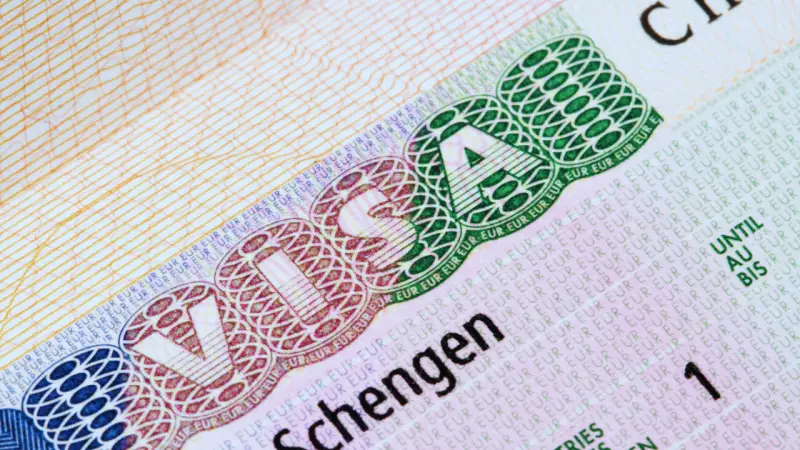
A Schengen visa serves as a short-stay permit for travel across 29 European countries. This visa eliminates internal border checks within the Schengen Area. Travelers can stay for up to 90 days within any 180-day period. Authorities typically issue it for tourism, business trips, or family visits.
Applicants must submit their requests through the embassy or consulate of their primary destination country. Required documents include a valid passport, recent photographs, and proof of sufficient funds. Travel insurance is also mandatory. The visa permits free movement within the Schengen zone, but border authorities always conduct final entry checks.
The Application Journey of Three Friends
Three friends from India decided to apply for their first Schengen visas earlier this year. Two of them had never traveled abroad before. They felt uncertain about their chances of approval.

They chose Switzerland as their main destination and booked an appointment at the VFS center in Delhi for January 9. Only one applicant had international travel experience, holding a valid US visa and previous Schengen travel records. The other two had blank passports with no travel history whatsoever.
Despite this, they possessed strong supporting documents. All three had stable jobs at reputable companies. They prepared their paperwork meticulously and outlined a clear travel itinerary.
Overcoming Doubts with Documentation
Doubts naturally surfaced during the process. One applicant had changed jobs just a month before applying. His average bank balance stood at approximately INR 1.5 lakhs, which was reasonable but not exceptionally high.
They avoided any shortcuts and gathered every required document. Their submission included:
- No-objection certificates from their employers
- Employment verification letters
- Salary slips for several months
- Income tax returns
- Detailed financial statements
They followed the official checklist precisely, leaving no room for oversight.
The Anxious Waiting Period
The waiting period proved stressful for these first-time applicants. Each day without news amplified their worries. They feared a minor error or misunderstood detail might reject their applications.
One applicant later described this phase as quite anxiety-inducing. The combination of limited travel history and a recent job change added to their concerns.
Visa Approval and Online Response
Relief finally arrived when all three visas were approved. The applicants shared their experience online, where it quickly gained attention. Numerous questions emerged from other prospective travelers.
People asked about visa validity and entry types. First-time applicants received single-entry visas valid for 30 days. Repeat travelers could expect multiple-entry visas with up to 90 days validity.
Common Questions and Practical Answers
Many inquired about financial requirements. The applicants suggested showing a savings balance of roughly INR 10,000 per person per day. Consistency mattered more than last-minute deposits. Steady bank balances over time carried greater weight.
Essential documents included bank statements, payslips, and income tax returns. Investment proofs like fixed deposits or mutual funds were no longer mandatory but could serve as backup.
Some confusion surrounded travel routes within the Schengen Area. Since Switzerland was their first point of entry, they clarified that travel to other countries was permitted. Their itinerary included five days in Switzerland, followed by four days split between France and Spain. All destinations were clearly listed in their application.
Using Agents and Document Clarifications
When asked about using agents, they confirmed hiring an inexpensive one. The agent helped book dummy flight tickets, which they planned to change later. This practice is common in visa applications, handled with transparency.

They documented hotel bookings, internal travel plans, and daily itineraries thoroughly. Regarding employment documents, they explained that a no-objection certificate confirms permission to travel. An employment verification letter confirms job role, tenure, and current status. Both documents serve different purposes and strengthen the application by demonstrating intent to return.
Key Takeaways for First-Time Applicants
The post emphasized that clean documentation, stable employment, sensible finances, and clear intent can overcome lack of travel history. If applicants present a coherent case, approval remains achievable even for first-timers.
Their experience offers hope and practical guidance for others navigating the Schengen visa process from India.