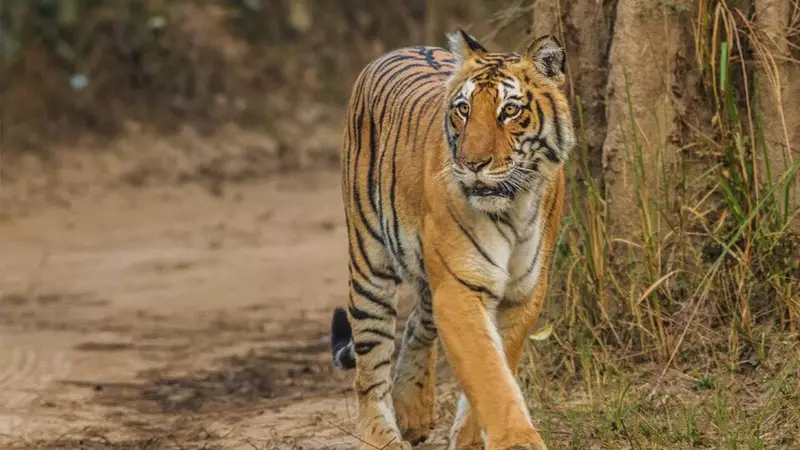
Unveiling the Hidden Wonders of Jim Corbett National Park
Jim Corbett National Park, nestled in the scenic state of Uttarakhand, stands as India's oldest national park, established in 1936. While many visitors are drawn to its famous Bengal tigers and diverse wildlife, there are numerous fascinating aspects of this sanctuary that remain lesser-known to the general public. This article delves into the intriguing facts and hidden gems that make Jim Corbett a unique and cherished natural treasure.
A Rich Historical Legacy
The park was originally named Hailey National Park after Sir Malcolm Hailey, the then Governor of the United Provinces. It was later renamed in honor of Jim Corbett, the legendary British-Indian hunter, conservationist, and author, who played a pivotal role in its establishment and protection. Corbett's efforts in wildlife conservation and his captivating stories about the region have left an indelible mark on the park's identity.
Biodiversity Beyond Tigers
Although the Bengal tiger is the star attraction, Jim Corbett National Park is home to an astonishing array of flora and fauna. The park boasts over 600 species of birds, making it a paradise for birdwatchers. Additionally, it shelters various mammals such as elephants, leopards, sloth bears, and deer species like the spotted deer and sambar. The diverse ecosystems within the park, ranging from grasslands to riverine forests, support this rich biodiversity.

Unique Geographical Features
The park spans across the Patli Dun valley and is intersected by the Ramganga River, which provides a vital water source for its inhabitants. This geographical setting creates a mosaic of habitats that contribute to the park's ecological significance. The varying altitudes and terrain offer visitors a chance to experience different landscapes, from dense forests to open meadows.
Conservation and Community Initiatives
Jim Corbett National Park has been at the forefront of conservation efforts in India. It was one of the first parks to be included in the Project Tiger initiative, launched in 1973 to protect the endangered tiger population. The park also engages with local communities through eco-tourism and awareness programs, promoting sustainable practices that benefit both wildlife and people.
Visitor Experiences and Tips
For those planning a visit, the park offers various zones for safari tours, each with its own charm and wildlife sightings. The best time to visit is from November to June, with the summer months being ideal for tiger spotting. Visitors are encouraged to follow park guidelines, such as maintaining silence and avoiding littering, to ensure a safe and respectful experience for all.
In summary, Jim Corbett National Park is not just a wildlife sanctuary but a symbol of India's commitment to preserving its natural heritage. By uncovering these hidden aspects, we gain a deeper appreciation for this iconic destination and the ongoing efforts to protect it for future generations.