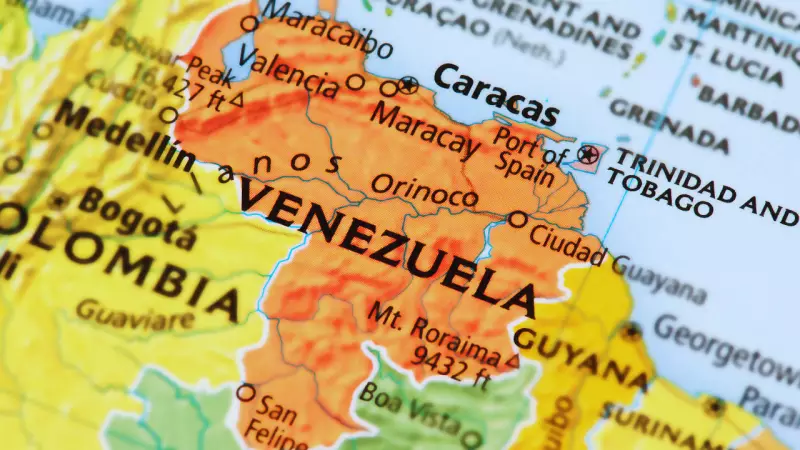
The Indian government has formally advised its citizens against undertaking any non-essential travel to Venezuela, citing a tense and increasingly volatile situation in the South American nation. The advisory, issued by the Ministry of External Affairs (MEA), reflects growing international concern over the country's stability.
India's Official Advisory and Precautions
On January 3, 2026, the Ministry of External Affairs released a statement strongly urging Indian nationals to defer all plans for travel to Venezuela that are not absolutely necessary. For those Indian citizens who are already present in the country, the advisory calls for exercising the utmost caution.
The MEA has instructed them to limit their movements, avoid any unnecessary travel within Venezuela, and maintain regular contact with the Indian Embassy in Caracas for support and coordination. The embassy has provided specific emergency contact details for assistance:

- Emergency Contact Number: +58-412-9584288 (also available for WhatsApp calls)
- Official Email: cons.caracas@mea.gov.in
The ministry emphasized the critical importance of staying in touch with the diplomatic mission in case of any emergency or a sudden worsening of the conditions on the ground.
Global Warnings Echo India's Concerns
India's caution aligns with severe travel warnings issued by several other nations, highlighting a broad international consensus on the risks in Venezuela. The United States has taken one of the strongest positions, placing Venezuela under its Level 4 Travel Advisory—the highest and most severe category, which advises against all travel due to life-threatening risks.
The U.S. advisory explicitly asks its citizens not to travel to Venezuela under any circumstances and urges those currently there to depart as soon as it is safe to do so. It lists numerous threats, including wrongful detention, kidnapping, terrorism, civil unrest, and critically poor healthcare infrastructure.
Canada has similarly advised complete avoidance of travel to Venezuela, pointing to high crime, political and economic instability, and severe shortages of basic necessities like medicine, fuel, and water. The situation is compounded for Canadians as their embassy in Venezuela has been closed since 2019, severely limiting consular services.
Australia's Emergency Advisory
Australia has also told its citizens to avoid traveling to Venezuela, noting a state of emergency in Caracas and the states of Miranda, Aragua, and La Guaira. The Australian government advises its nationals to shelter in place, stockpile essential supplies like food, water, and medicines, and consider leaving if a safe exit is possible. Australia does not maintain an embassy in Venezuela, directing its citizens to contact the Consular Emergency Centre back home for remote assistance.
Rising International Alarm
The simultaneous issuance of these advisories by India, the United States, Canada, and Australia signals a significant escalation in global apprehension regarding Venezuela's security and humanitarian landscape. India's advisory is strategically focused on minimizing risk exposure for its citizens and ensuring those already in the country are prepared and informed about available emergency protocols during this period of sustained instability.