Indian Content Creator Chronicles Life in Japan: From Food Struggles to Cultural Surprises
Moving to a new country often involves navigating a blend of surprising, challenging, and memorable cultural experiences. This is vividly illustrated by @lucknawiinjapan, an Indian content creator who shares her life in Japan on Instagram, providing followers with an intimate look at the nuances of adapting to a foreign environment.
The Vegetarian Dilemma: Finding Food in Japan
For many vegetarian travelers, Japan's renowned food culture poses an immediate question: what can one actually eat here? When @lucknawiinjapan first relocated to Japan, locating vegetarian options proved difficult, especially outside major urban centers. During an early three-day trip to Mie Prefecture, her choices were severely limited, forcing her to survive on coffee, chips, peanuts, chocolates, and bread instead of enjoying Japan's rich and exotic dishes.
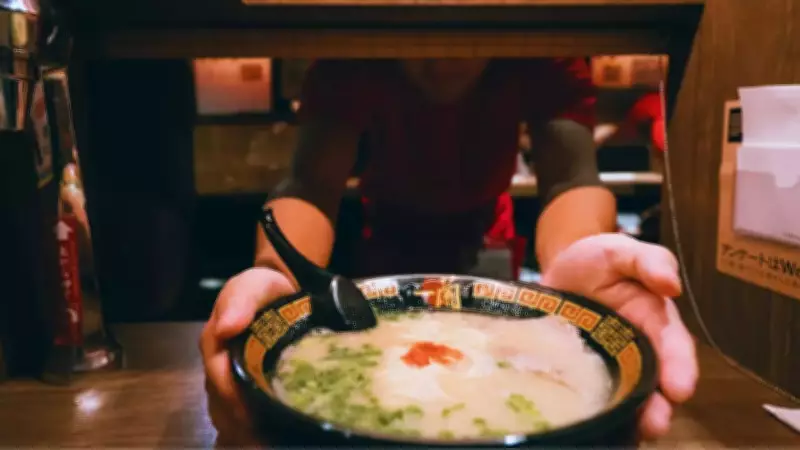
The core issue lies in the prevalence of hidden animal ingredients in Japanese cuisine. For instance, dashi, a broth made from fish flakes, serves as a base for numerous dishes like soups, sauces, and noodles. Over time, however, her situation improved as she discovered dishes and restaurants aligning with her dietary preferences. Vegan sandwiches, plant-based ramen, and flavored yogurts eventually became staples in her routine.

In recent years, major cities such as Tokyo and Osaka have witnessed a growing number of vegetarian and vegan eateries. For those willing to explore, plant-based food options are gradually becoming more accessible across Japan, marking a positive shift for dietary inclusivity.
A Costly Bicycle Parking Mistake
In one of her posts, @lucknawiinjapan recounted a small yet memorable incident involving bicycle parking. After leaving her bicycle in an incorrect spot, she found a fine tag attached by authorities, requiring a 5,000 yen payment for retrieval. Fortunately, she was let off with just a warning due to it being an honest mistake.
In many Japanese cities, improperly parked bicycles are swiftly collected by municipal authorities and taken to designated storage facilities. Owners must then visit these facilities, present identification, and pay a fee to reclaim their bicycles. This experience underscores a broader reality noticed by visitors: Japan's public spaces are highly organized, with rules implemented and obeyed meticulously to maintain order.
Train Delays and the Unique Apology System
Japan boasts the world's most punctual train system, but delays do occur, and the response to them surprised @lucknawiinjapan. Passengers can request and obtain a written apology from the railway for train delays, known as a Chien Shōmeisho or delay certificate.
This certificate serves as official proof that a train arrived late, absolving passengers of responsibility for any tardiness. Typically issued for delays of five minutes or more, it can be presented to schools, offices, or workplaces as an explanation. Available through station staff in print form, ticket machines, and railway company websites, the document includes basic details like date, train line, and approximate delay time.
Efficient Payment Systems: Self-Payment Machines
Another aspect that captured her attention is Japan's highly efficient payment systems. Vending machines and payment counters are ubiquitous, used for everything from cold drinks to train tickets and meals.
A notable feature is the accuracy of these self-payment machines. They precisely calculate amounts due and provide exact change after payment, eliminating the need for customers to count money or verify cashier accuracy. This efficiency reflects Japan's commitment to convenience and reliability in daily transactions.
Small Experiences Defining Life in Japan
The experiences shared by @lucknawiinjapan offer a comprehensive overview of the small cultural differences that define life in Japan. From dietary challenges to strict rules and unique societal norms, her stories highlight both the obstacles and the distinctive approaches to everyday living.
Through her posts, she provides valuable insights into how cultural adaptation involves embracing both the difficulties and the fascinating aspects of a new environment, making her journey a relatable guide for others considering similar moves.