India's Last Villages: A Winter Wonderland of Serenity and Adventure
India's "last villages" are located at the country's farthest edges, where roads narrow, scenery becomes breathtakingly dramatic, and life flows in harmony with nature's rhythms. During the colder months, these remote destinations take on an even more magical quality, with snow-capped mountains, crisp air, reduced tourist numbers, and a profound sense of peace. From the towering Himalayas to the eastern frontiers, four remarkable villages promise unforgettable winter experiences that blend natural beauty with cultural depth.
Mana, Uttarakhand: A Snow-Laden Mythological Haven
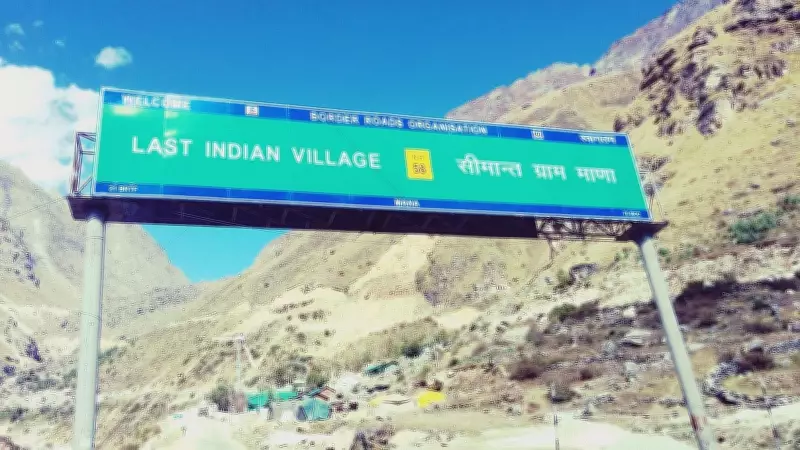
Officially recognized as India's last village before the Tibet border, Mana is situated just beyond Badrinath in the Garhwal Himalayas. In winter, this village transforms into a pristine wonderland, with traditional stone houses draped in white snow and the Saraswati River often partially frozen. The stark, ethereal beauty of Mana is enhanced by its deep mythological connections to the Mahabharata, creating an atmospheric and spiritually resonant destination. Most residents migrate seasonally, resulting in an almost surreal quiet that envelops the village during the colder months, offering visitors a rare escape into tranquility.
Chitkul, Himachal Pradesh: A Secluded Himalayan Gem
Chitkul, nestled by the Baspa River, holds the distinction of being the last inhabited village on the Indo-Tibetan border in Himachal Pradesh. Winter brings heavy snowfall that can block roads, but it also turns the valley into a stunning, untouched landscape. Wooden houses, frozen streams, and expansive snowy meadows create picturesque views that captivate the senses. For those who visit before road closures, Chitkul provides an opportunity to immerse in pure Himalayan scenery and disconnect from digital distractions, embracing a simpler, more mindful way of life.

Dhanushkodi, Tamil Nadu: A Haunting Coastal Ghost Town
Perched at the southeastern tip of the Indian peninsula, Dhanushkodi is often described as the country's last town before the Bay of Bengal meets the Indian Ocean. Once a thriving settlement, it was devastated by a catastrophic cyclone in the 1960s and now stands as an abandoned town. Broken churches, empty homes, and railway tracks swallowed by sand tell poignant stories of lives abruptly paused. What draws travellers today is its stark, windswept landscape and the rare, mesmerizing sight of two seas converging, offering a unique blend of natural wonder and historical reflection.
Turtuk, Ladakh: A Cultural Oasis in the High Himalayas
Tucked away in the Nubra Valley near the Line of Control, Turtuk is one of India's northernmost villages and among its most culturally distinct. This Balti village was once part of Pakistan and retains a unique heritage shaped by Central Asian influences. Apricot orchards, stone houses, and gentle streams soften the otherwise stark Ladakhi landscape, creating a serene environment. Life in Turtuk moves at an unhurried pace, characterized by warm hospitality and rich oral histories that reveal a complex past along the border. For travellers, visiting Turtuk is as much about understanding geopolitics and culture as it is about enjoying its breathtaking beauty, making it a multifaceted winter destination.
These last villages of India offer more than just scenic escapes; they provide a gateway to exploring the nation's diverse cultural tapestry and natural splendor during the winter season. Whether seeking adventure, peace, or historical insight, these destinations promise memorable journeys off the beaten path.