Jaisalmer Introduces Eco-Tourism Camel Safaris in Desert National Park
The forest department in Jaisalmer has officially launched an innovative eco-tourism initiative within the Desert National Park (DNP), a protected wildlife sanctuary. This project features camel and camel cart safaris designed to offer tourists a sustainable and immersive experience in the desert landscape. The initiative aims to balance tourism with conservation efforts in this ecologically sensitive area.
Pilot Project and Official Approval
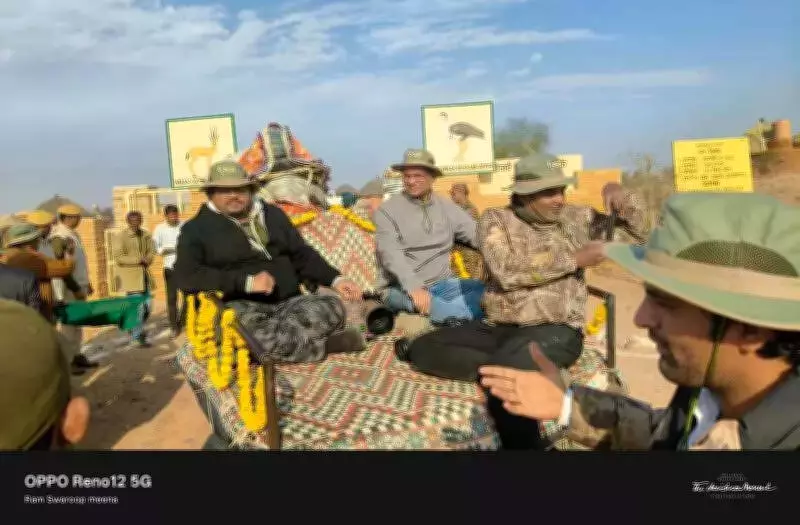
According to Divisional Forest Officer (DFO) B M Gupta, the safari program received the green light following directives from senior officials. Anand Kumar, the additional chief secretary of the forest department, and PCCF P K Upadhyay visited Jaisalmer and emphasized the need to promote eco-tourism in DNP. A formal proposal was submitted and approved on a pilot project basis, specifically for the Sudasari area within the sanctuary. The safaris were officially inaugurated on January 26, marking a significant step in enhancing tourist activities in the region.
Safari Routes and Wildlife Viewing
The camel safaris offer two designated routes: a 5km path and a 10km path, allowing visitors to explore the park's unique desert ecosystem at a leisurely pace. During these journeys, tourists have the opportunity to spot various rare and native wildlife species. The DFO highlighted that efforts are underway to ensure sightings of the state bird, Godawan (Great Indian Bustard), along with other animals such as Chinkara and Desert Fox. These safaris provide a chance to observe these creatures in their natural habitat, contributing to both education and conservation awareness.

Enhanced Facilities for Tourists
To support the eco-tourism experience, the forest department is implementing several facilities under the initiative. These include:
- Binoculars for better wildlife observation.
- Watchtowers that enable photography from elevated vantage points.
- Eco huts for overnight stays within the sanctuary, allowing tourists to experience the desert at night.
Arrangements are being made to facilitate photography and viewing of the Great Indian Bustard, with ongoing publicity campaigns to raise awareness about this eco-tourism effort. The DFO added that these measures aim to create a minimal-impact tourism model that prioritizes environmental protection while offering memorable experiences.
Promoting Sustainable Tourism in Rajasthan
This launch represents a strategic move to boost sustainable tourism in Jaisalmer and the broader Rajasthan region. By integrating traditional camel safaris with modern eco-friendly practices, the project seeks to attract nature enthusiasts and adventure seekers. It aligns with global trends in responsible travel, focusing on preserving biodiversity in the Desert National Park. The initiative is expected to benefit local communities by creating tourism-related opportunities while safeguarding the park's delicate ecosystem for future generations.