Japanese Town Halts Cherry Blossom Festival as Tourist Influx Becomes Unmanageable
In a significant move addressing the growing problem of overtourism, authorities in Fujiyoshida, a scenic town nestled near Mount Fuji, have announced the cancellation of their annual cherry blossom festival. The decision comes as a direct response to an overwhelming surge in visitor numbers that has severely disrupted the daily lives of local residents, transforming what was once a celebrated tourism initiative into a full-blown community crisis.
From Tourism Success to Community Strain
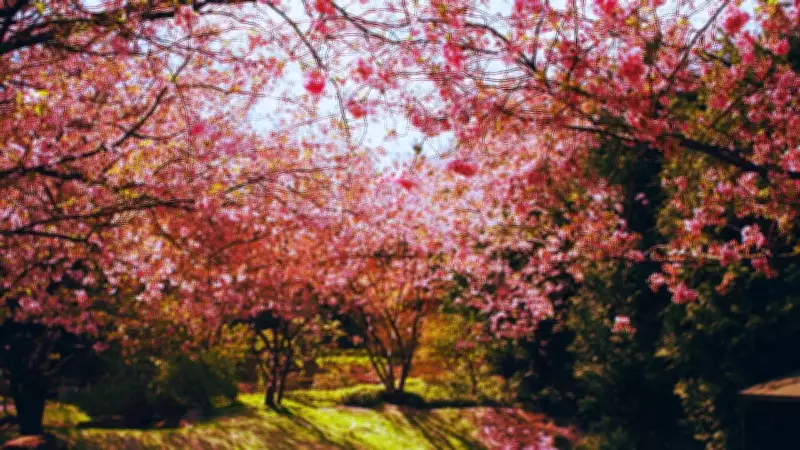
The festival, which began in 2016, was initially launched to showcase the town's unique beauty during spring. City officials opened Arakurayama Sengen Park to visitors, featuring a traditional pagoda with breathtaking panoramic views. The location quickly gained fame as an "Instagrammable" destination, perfectly framing cherry blossoms in full bloom against the majestic, snow-capped slopes of Mount Fuji in a single photograph.
However, the very success that made Fujiyoshida a global attraction has now led to its downfall. During peak cherry blossom season, the town now welcomes as many as 10,000 visitors per day, a volume that has far exceeded the area's infrastructure and social capacity. What was envisioned as a cultural celebration has evolved into what local officials describe as "overtourism"—a phenomenon where tourist numbers overwhelm a destination's ability to manage them sustainably.

Official Statement and Local Impact
Fujiyoshida Mayor Shigeru Horiuchi expressed the gravity of the situation while announcing the festival's cancellation. "We have a strong sense of crisis," Horiuchi stated. "To protect the dignity and living environment of our citizens, we have decided to bring the curtain down on the 10-year-old festival." This decisive action underscores the priority shift from attracting tourists to preserving community well-being.
Residents have reported numerous issues stemming from the tourist influx, including:
- Chronic traffic congestion that disrupts daily commutes
- Overflowing rubbish and littering in public and private spaces
- Intrusive behavior, such as tourists trespassing on private property
- Instances of visitors opening residents' doors without permission to use toilets
- Even reports of defecation in private gardens
City authorities have documented these incidents, noting that confrontations between homeowners and tourists have occasionally escalated into disturbances, further straining community relations.
Driving Factors Behind the Tourist Surge
Several key factors have contributed to the dramatic increase in visitors to Fujiyoshida:
- Social Media Amplification: Visually striking locations like Arakurayama Sengen Park have gained explosive reach through platforms like Instagram, attracting global attention.
- Weak Yen: The depreciation of the Japanese yen has made travel to Japan more affordable for international tourists, boosting visitor numbers.
- Global Travel Trends: Post-pandemic travel recovery has seen a surge in tourism to iconic destinations worldwide.
Continued Challenges and Broader Context
Despite cancelling the official festival, Fujiyoshida authorities acknowledge that large crowds are still expected during the April and May cherry blossom season. The city is preparing for increased footfall even without organized events, highlighting the difficulty of controlling visitor flows once a destination achieves global online visibility.
This situation is not isolated to Fujiyoshida. Other areas near Mount Fuji have implemented similar measures to combat overtourism. In 2024, officials in Fujikawaguchiko erected a large black barrier to block views of a famous photo spot after residents complained about tourist misconduct including littering, jaywalking, and illegal parking.
Global Parallels in Tourism Management
The challenges faced by Fujiyoshida reflect broader global trends where popular destinations are implementing measures to manage overcrowding:

- In Rome, Italian authorities introduced a €2 fee to access the viewing area of the Trevi Fountain to manage crowds and fund maintenance.
- Venice now requires day trippers to pay €5-€10 on select days between April and July to discourage short, high-impact visits that strain local infrastructure.
As Fujiyoshida moves forward with the festival cancellation, this decision serves as a poignant example of how overtourism can fundamentally impact local communities. While the town's iconic views will likely continue to attract visitors from around the world, authorities have made it clear that protecting residents' quality of life now takes precedence over tourism promotion. This case study offers valuable insights for other destinations grappling with the delicate balance between welcoming visitors and preserving community integrity.