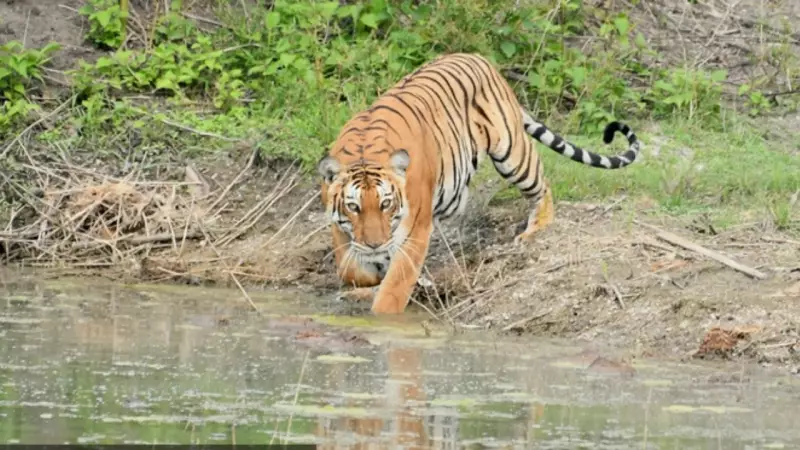
The ecotourism industry in Karnataka is facing an unprecedented crisis following the continued suspension of safari operations in two of its premier tiger reserves. The Karnataka Ecotourism Resorts Association (KETRA) has made an urgent appeal to the state government to immediately lift the blanket ban on safaris in Bandipur and Nagarahole, warning of catastrophic financial losses and widespread job losses.
No Scientific Basis for Ban, Says Industry Body
In a letter addressed to Tourism Minister HK Patil, KETRA has strongly contested the rationale behind the suspension. The association has pointed out that there is no scientific study establishing a connection between regulated safari tourism and the recent human deaths caused by tiger attacks. They argue that the ban is a reactionary measure not backed by empirical evidence.
Further clarifying the geography of the conflict, KETRA stated that the safari zones are far removed from the areas where the tragic incidents occurred. In Nagarahole, the safari areas are described as completely disconnected from the conflict locations. For Bandipur, the association highlighted that the designated safari routes are situated nearly 50 to 100 kilometres away from the regions affected by the tiger attacks.

Mounting Financial Losses for State and Operators
The economic impact of the suspension is severe and multi-layered. KETRA has estimated that the state exchequer is losing a staggering Rs 60 to 70 lakh every single day in Goods and Services Tax (GST) revenue alone. This loss is putting additional pressure on government finances at a critical time.
Private resort owners, who are members of KETRA, are collectively facing daily losses exceeding Rs 3 crore due to mass cancellations of bookings. The state-run operator, Jungle Lodges and Resorts, is also bleeding financially, incurring losses of close to Rs 30 lakh per day. The forest department, which relies on safari fees, is similarly impacted, losing approximately Rs 30 lakh daily since operations were halted.
Livelihoods of Local Communities Hang in the Balance
Beyond the immediate financial figures, the prolonged ban threatens the very fabric of local economies built around responsible tourism. The ecotourism sector in these regions provides employment to around 8,000 individuals. Crucially, nearly 80% of this workforce comprises people from local villages and indigenous tribal communities.
For these employees, the safari suspension is not just an operational issue but a direct threat to their livelihood and sustenance. The continued closure risks crippling a sector that has been pivotal in providing alternative income and fostering conservation support among local populations.
The appeal from KETRA, dated December 28, 2025, underscores the urgency of the situation. The association is seeking a swift government intervention to resume regulated safari activities, which they believe can coexist with safety protocols, thereby reviving a vital economic engine for Karnataka's forest regions.