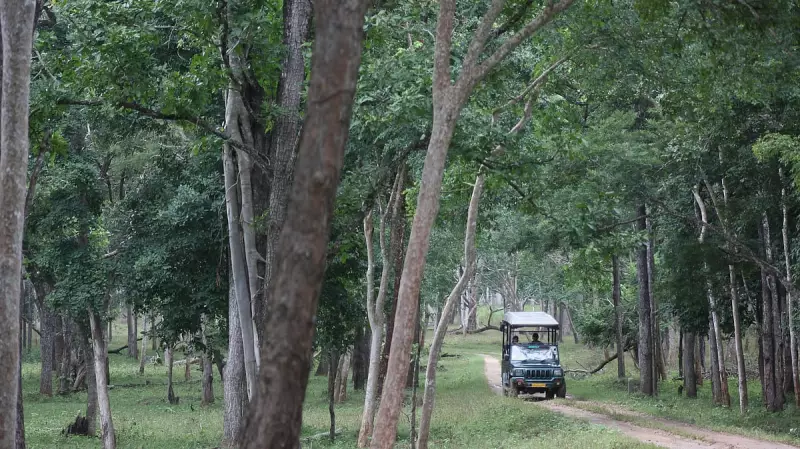
A sudden ban on safari operations in Karnataka's renowned Bandipur Tiger Reserve has thrown the local tourism industry into disarray just as the crucial holiday season begins. The decision, which came into effect recently, has left numerous jungle resorts and tour operators in the state facing significant financial losses and an uncertain future.
Visitor Exodus to Tamil Nadu
With the safari ban in Bandipur Tiger Reserve effectively closing off one of India's premier wildlife destinations, tourists are now redirecting their plans. The primary beneficiary of this shift is the Mudumalai Tiger Reserve, located in the neighboring state of Tamil Nadu. Situated merely 15 kilometers away from Bandipur, Mudumalai has become the default choice for visitors desperate for a jungle safari experience.
This cross-border movement highlights the interconnected nature of wildlife tourism in the region. Resorts and guides in Mudumalai are reportedly experiencing an unexpected surge in bookings, while their counterparts on the Karnataka side are grappling with a wave of cancellations. The timing, coinciding with the peak holiday period from late December into January, amplifies the economic blow for Karnataka's tourism-dependent businesses.

Economic Strain on Local Businesses
The impact of the safari prohibition extends far beyond the reserve's gates. Local economies that thrive on wildlife tourism are now struggling. The consequences are severe for:
- Jungle Resorts and Lodges: Facing mass cancellations and vacant rooms during their most profitable time of year.
- Tour Operators and Guides: Their primary service is now unavailable, leading to loss of income and clientele.
- Local Vendors and Transport Services: A sharp decline in tourist footfall directly affects ancillary businesses.
The situation underscores the fragile balance between conservation efforts and sustainable tourism. While the reasons for the ban were not detailed in the initial report, its immediate economic fallout is starkly visible. The report was filed by Amullya Shivashankar and was last updated on 21 December 2025, at 22:31 IST.
A Regional Tourism Shift
This development has inadvertently altered the wildlife tourism map of South India for the current season. Mudumalai, with its similar landscape and rich biodiversity including tigers, elephants, and gaurs, is a natural alternative. However, the sudden influx poses its own challenges for Tamil Nadu's reserve in terms of managing increased vehicle traffic and visitor numbers while ensuring ecological protection.
The episode serves as a critical case study on how policy decisions in one region can create ripple effects across state borders. For now, the holiday season, which typically brings joy and revenue, has become a period of anxiety for the hospitality sector in Karnataka's forested zones. The long-term solution likely requires coordinated planning between forest departments and tourism stakeholders to prevent such disruptive scenarios in the future.