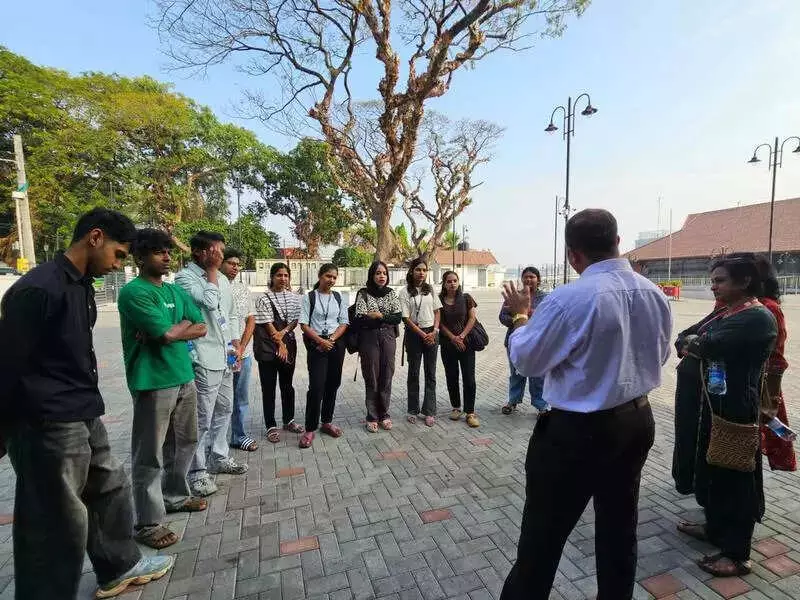
Kochi's Historic Streets Become Classrooms in Innovative Student Walkathon Series
In a refreshing departure from digital screens and instant information, the Ernakulam District Tourism Promotion Council is taking a literal step back to move forward. The council has launched A Walk Through Time, a unique yearlong cultural walkathon series created specifically for students.
Transforming History into Living Experience
This innovative initiative aims to convert the historic streets of Kerala into vibrant classrooms. It bridges the significant gap between the region's rich past and its future leaders. The program represents a model where heritage preservation, sustainable practices, and youth engagement progress together seamlessly.
Professional heritage guides lead these walks, narrating compelling stories about the area's history. They cover diverse aspects including:

- Historical events and timelines
- Cultural exchanges through centuries
- Local community traditions
- Everyday life across different eras
Sustainable Tourism Through Direct Experience
DTPC secretary Lijo Joseph explained the program's philosophy clearly. "Sustainable tourism begins with genuine awareness," Joseph told TOI. "When students experience heritage through walking trails and authentic storytelling, they develop real respect for culture, people, and places. A Walk Through Time helps create that essential foundation. It ensures our heritage remains valued and preserved by future generations."
The initiative operates in partnership with WebCRS Travel Technologies Pvt Ltd. Organizers have planned a minimum of twelve editions across the coming year.
From Mattancherry to Fort Kochi: The Walkathon Journey
The first walkathon occurred last week with a select group of college students. They explored Mattancherry, one of Kerala's most historically significant heritage destinations. Future editions will cover other notable locations including:
- Fort Kochi with its colonial architecture
- Muziris and its ancient port history
- Hill Palace and its royal legacy
WebCRS managing director Neelkanth Pararath highlighted the program's human element. "In an age where artificial intelligence generates content instantly, storytelling rooted in actual human experience becomes even more valuable," Pararath observed.
Heritage as Living Classroom
Walking-based heritage experiences offer multiple advantages. They create minimal environmental impact while fostering meaningful engagement with local culture, knowledgeable guides, and community members.
Joseph elaborated on the student-focused approach. "By designing this program exclusively for students, we invest directly in the next generation," he explained. "These students become future travelers, tourism professionals, and cultural ambassadors."
Select Participation Creates Intimate Learning
Before each edition, DTPC sends invitations to schools and colleges across the city. Organizers then select a small, focused group of twenty to twenty-five students for each walk.
Mifzaal D K from Lakshadweep participated in the inaugural walk. He's currently pursuing a master's degree in tourism and travel management at St Peter's College in Kolenchery. "It was a wonderful experience," Mifzaal shared enthusiastically. "Our guide was exceptionally good. We learned numerous historical facts previously unknown to us. Reading about the spice trade in a classroom is one thing. But walking through the narrow alleys of Mattancherry and hearing echoes of centuries-old trade is entirely different."
This hands-on approach makes history tangible and memorable for young participants.