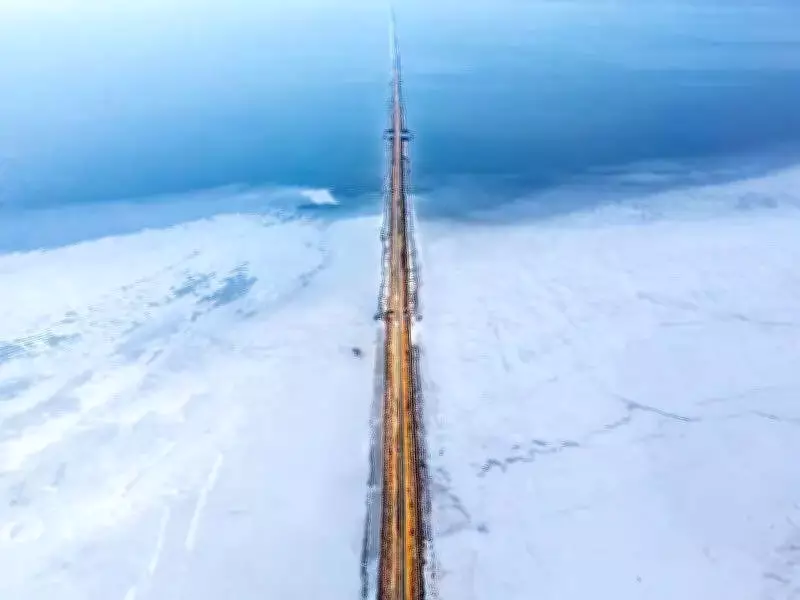
Kutch's Iconic 'Road to Heaven' Implements Strict No-Drone Zone
The breathtaking 30-kilometer stretch connecting Khavda to Dholavira in Gujarat, famously known as the "Road to Heaven," has officially become a no-drone zone. The Kutch Forest Department has enforced this comprehensive ban to address critical concerns regarding wildlife protection and national security along this popular tourist route.
Wildlife Protection Takes Priority
This scenic pathway traverses directly through the ecologically sensitive Kutch Desert Wildlife Sanctuary, home to diverse and fragile desert ecosystems. Authorities have determined that drone activity significantly disrupts wildlife, disturbing their natural behaviors and breeding patterns. The range forest officer of the Rapar North Wildlife Range has explicitly stated that operating drones in this protected area constitutes a clear violation of the Wildlife Protection Act of 1972.
Legal consequences await any violators, with officials warning that strict action will be taken against those who disregard the prohibition. The forest department has already installed prominent signboards along the entire 30-kilometer route to clearly communicate the restrictions to all visitors.

National Security Considerations
Adding another layer to the restrictions, the Khavda-Dholavira stretch passes in close proximity to sensitive Border Security Force (BSF) installations. This geographical factor has prompted authorities to designate the area as a "No Drone Zone" on firm security grounds, preventing any potential surveillance or security breaches.
The forest department has made a heartfelt appeal to tourists and photography enthusiasts to respect these regulations, emphasizing that preserving the region's delicate ecological balance and ensuring national security must take precedence over recreational activities.
The 'Heavenly Experience' Continues
Often described as a truly heavenly experience, this remarkable route winds through the vast, otherworldly expanse of the Great Rann of Kutch. Visitors are treated to surreal views of shimmering salt flats and the stark, mesmerizing beauty of the semi-arid desert landscape.
A major attraction during the annual Rann Utsav festival, the stretch consistently draws a steady stream of tourists who traditionally pause to capture its unique vistas. While mobile phone photography remains permitted, officials stress that all visitors must now enjoy this natural wonder without the use of aerial drones.
The implementation of this drone ban represents a significant step toward balancing tourism with environmental conservation and security imperatives in one of India's most visually stunning regions.