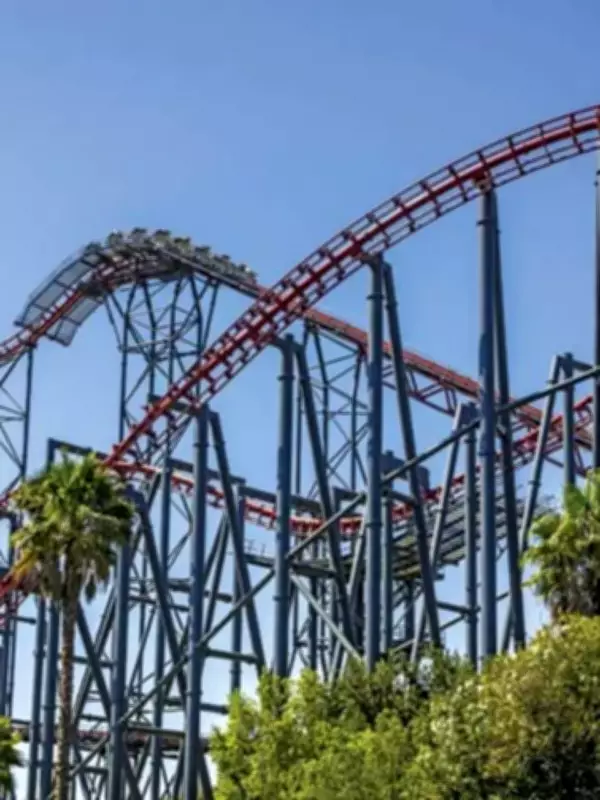
The World's Most Dangerous Roller Coasters: A Thrill-Seeker's Ultimate Challenge
For adrenaline junkies and adventure enthusiasts, roller coasters represent the pinnacle of excitement and fear combined. While modern safety standards ensure these rides are rigorously tested, some coasters stand out for their extreme designs, record-breaking features, and heart-pounding intensity that push human limits. These attractions are not merely rides; they are experiences that test courage and endurance.
Engineering Marvels That Defy Gravity
The most dangerous roller coasters often incorporate groundbreaking engineering to achieve unprecedented thrills. They feature elements such as:
- Extreme Heights: Some coasters tower over landscapes, with drops that seem to plunge into oblivion.
- Blistering Speeds: Accelerations that rival sports cars, propelling riders at breakneck velocities.
- Intense G-Forces: Forces that press against the body, simulating fighter jet maneuvers.
- Innovative Tracks: Designs with inversions, helixes, and launches that disorient and exhilarate.
These elements combine to create rides that are as much about psychological terror as physical sensation, often leaving participants breathless and exhilarated.

Notable Examples of Extreme Coasters
Around the globe, certain roller coasters have gained notoriety for their danger and thrill factors. While safety records are maintained, their reputations stem from design features that challenge even seasoned riders. For instance, coasters with:
- Record-Breaking Drops: Plunges that exceed 400 feet, offering moments of weightlessness and sheer panic.
- High-Speed Launches: Accelerations from 0 to over 100 miles per hour in seconds, mimicking rocket takeoffs.
- Multiple Inversions: Loops and rolls that twist riders in ways that defy normal orientation.
- Minimal Restraints: Designs that enhance the feeling of vulnerability, adding to the perceived risk.
These attractions are often located in major amusement parks worldwide, drawing crowds eager to test their mettle against engineering feats.
The Psychology Behind the Thrill
What makes a roller coaster dangerous is not just its physical attributes but the psychological impact on riders. The anticipation, the climb to the peak, and the sudden descent trigger primal fears and adrenaline rushes. This combination of fear and excitement is what drives thrill-seekers to seek out these extreme experiences, often describing them as life-changing or transformative.
Moreover, the cultural fascination with danger and speed has led to continuous innovation in coaster design, with engineers constantly pushing boundaries to create newer, more intense rides. This evolution ensures that the title of "most dangerous" is always up for grabs as technology advances.
Safety and Accessibility Considerations
Despite their dangerous reputations, these roller coasters adhere to strict safety protocols, including regular inspections, rider height and health restrictions, and emergency systems. However, they are not suitable for everyone; individuals with heart conditions, pregnancy, or a fear of heights are advised to avoid them. For those who dare, proper preparation—such as securing loose items and following ride instructions—is crucial to ensure a safe yet thrilling experience.
In conclusion, the world's most dangerous roller coasters offer a unique blend of engineering prowess and human courage. They serve as benchmarks in the amusement industry, captivating audiences with their audacious designs and unforgettable rides. Whether you're a seasoned enthusiast or a curious newcomer, these attractions promise an adventure that is as terrifying as it is exhilarating.