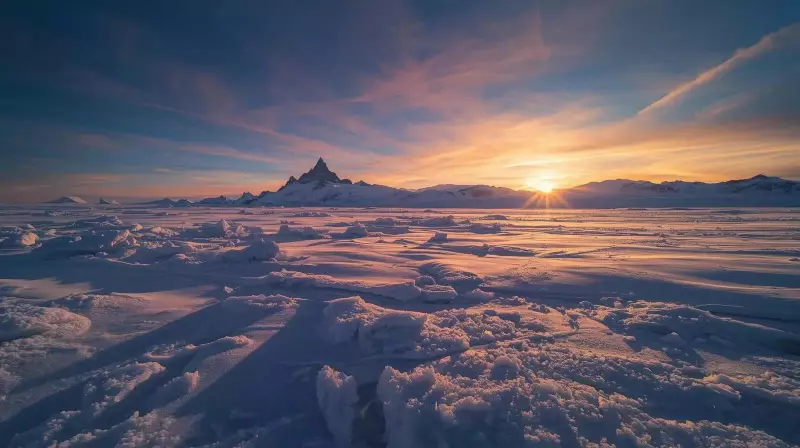
Every summer, northern Norway enters a remarkable period where night never fully arrives. The sun dips low but stays visible, stretching daylight across hours that belong to darkness elsewhere. This natural phenomenon transforms daily life, travel patterns, and how people move through the landscape.
The Midnight Sun Experience
For visitors, the midnight sun offers extended outdoor time and a completely different sense of place. For communities living above the Arctic Circle, it represents a familiar seasonal shift that shapes work, culture, and memory. This is not a spectacle created for tourism but a fundamental condition of latitude.
Between May and July, people can walk, travel, or rest without the usual boundaries between day and night. This changes how the entire region is experienced. The absence of darkness alters human perception of time. Activities normally limited to daytime continue late into the evening without artificial light.

How Light Transforms the Landscape
In coastal areas and inland valleys, the light softens rather than fades completely. Wildlife remains active throughout what would normally be nighttime hours. The sea and sky take on warmer, more subtle tones. Some travelers notice they move more slowly, uncertain when to stop. Others fill the extended hours with constant movement.
The effect proves subtle rather than dramatic, but it stays with people long after they leave. Norwegian writers and artists have documented this feeling for generations. Author Knut Hamsun described nights where the sun barely rested before returning, leaving emotions unsettled and alert. His words capture how the light disrupts routine rather than simply extending it.
Where to Experience Midnight Sun
Northern Norway experiences approximately 76 days of midnight sun between May and July. The number of sunlit nights increases as you travel further north. Above the Arctic Circle, the sun can remain visible for up to 24 hours each day. The region is often described in sections as travelers move northward, with each area offering different rhythms and landscapes.
Helgeland's Overlooked Charm
Helgeland sits just below the Arctic Circle and often escapes mainstream attention. The Kystriksveien coastal road winds through quiet towns, pristine beaches, and dramatic mountain ranges. Ferries connect small islands where cycling and walking become common activities.
Places like Træna and Lovund feel particularly open at night, with light lingering over the sea. Hikes in ranges such as De syv søstre take on a different character when shadows stretch but never disappear completely.
Bodø and Salten After Midnight
Further north, Bodø serves as both transportation hub and destination. Museums, historic trading posts, and nearby mountains remain accessible late into the night. The Saltstraumen maelstrom is often visited during extended evening light. Boats run to islands including Steigen and Rødøy throughout the extended daylight hours.
South of Bodø, the Svartisen glacier reflects the low sun in muted, beautiful colors that change throughout the endless day.
How People Use the Extended Light
Visitors choose various ways to experience the midnight sun. Active pursuits like midnight swimming, cycling, and kayaking prove popular. Others prefer quieter moments fishing or sitting near water. Campsites and trails remain in use even during late hours. The continuous light makes these activities feel less hurried and more contemplative.
Photography Under Midnight Sun
Photographers working under the midnight sun often focus on color and shadow rather than contrast. Simple compositions work best. Foreground elements help frame the expansive distances. Keeping the horizon low allows the sky to carry the image. The light itself does much of the work, changing slowly and subtly throughout what would normally be nighttime hours.
The midnight sun simply stays, waits, and slowly shifts, leaving people to decide how to use the extra hours it offers. This natural phenomenon continues to shape how northern Norway is experienced, remembered, and understood by both residents and visitors alike.