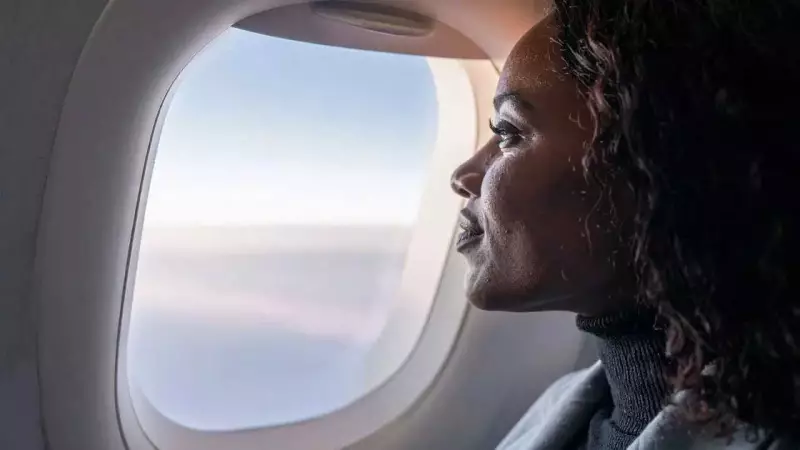
Have you ever wondered why flight attendants make that firm announcement to keep your window shade open before the aircraft lands? It might seem like a minor request, but in the world of aviation, where safety is paramount, no instruction is given lightly. This simple action plays a surprisingly vital role in ensuring the safety of everyone on board.
The Critical Role of an Open Window Shade
Landing is one of the most sensitive phases of a flight. The aircraft is close to the ground, speeds are changing rapidly, and the crew must maintain hyper-awareness of external conditions. An open window shade acts like an extra set of eyes for the entire cabin. If there is smoke, fire, debris on the runway, or unusual movement on the wing, an alert passenger or crew member might notice it instantly, allowing for a quicker response.
This practice is strongly supported by scientific research. A peer-reviewed study published in Case Studies in Fire Safety analysed how lighting, visibility, and cabin layout influence evacuation efficiency during emergencies. The findings were clear: higher visibility inside the cabin improves passenger orientation and significantly reduces evacuation time. This is precisely why airlines prefer maximum exposure to natural light during high-risk phases like takeoff and landing.

How This Simple Action Improves Safety
The benefits of keeping the window shades open are multi-faceted, protecting both passengers and the cabin crew.
Faster Visual Assessment in Emergencies
In the rare event of an incident during landing, such as an engine issue or sparks on the wing, open shades help both the crew and alert passengers detect hazards much sooner. This immediate visual information makes it easier to identify which side of the aircraft is safe for a potential evacuation, saving precious seconds when they matter most.
Better Decision-Making for the Cabin Crew
Cabin crew members constantly mentally map the cabin. When window shades are open, they can quickly scan outside visuals and coordinate critical decisions with the cockpit. They may need to guide passengers to use exits on only one side of the aircraft, and clear visibility is essential for making that call correctly.
Light-Adapted Eyes Respond Faster
Stepping from a dimly lit cabin into intense daylight or bright runway lights can cause a temporary shock to your vision, reducing visibility for a few critical moments. Open shades prevent this by allowing your eyes to adjust naturally during the descent. This simple act of adaptation shortens your reaction time if you need to move quickly during an evacuation.
Answering Common Passenger Queries
Many passengers have questions about this rule, especially when flying at night or if they are not in a window seat.
Is this an international rule? While not always mandated by law, almost every major airline globally follows this protocol because it aligns with established global safety best practices. Several aviation regulatory bodies also recommend maximising natural visibility during landing.
Does it matter at night? Absolutely. At night, open shades allow passengers to see runway and airport lights clearly. It also ensures the crew can detect flames, sparks, or unusual reflections that may indicate a hazard in the dark.
What if you're not in a window seat? Even if you cannot see outside directly, open shades near you help maintain a visually balanced and alert cabin environment. Crew members rely on the collective view from multiple windows, not just one, to get a complete picture of the outside situation.
It may seem like a tiny rule, but in aviation, these tiny rules collectively build the safest travel system in the world. The next time you fly and hear that announcement, you will know that keeping your window shade open is one of the simplest yet most effective ways you contribute to your own safety and the safety of everyone on board.