Rope Jumping Looks Thrilling, But Is It Safe? Here's What to Check Before You Go
Extreme sports sell a feeling: that jolt of adrenaline, a view most people never see, a story you'll tell for years. What they don't advertise quite as loudly is how quickly things can go wrong when even one small detail gets overlooked.
That tension came into focus recently after the death of 21-year-old Maria Eduarda Rodrigues de Freitas in Brazil. She reportedly fell nearly 40 metres from an abandoned bridge in São Paulo state when her safety rope was never properly attached before the jump. Footage of the fall spread quickly online, and investigators are now looking into whether negligence on the part of the instructors was to blame.
The case has reignited a question a lot of would-be jumpers ask but rarely get a straight answer to: is rope jumping actually safe?

Honestly, there isn't a clean yes-or-no here. Done right, with trained staff, proper gear, and strict adherence to protocol, rope jumping carries a manageable level of risk, the way most extreme sports do. But it's not forgiving. Unlike a bad rep at the gym, a single oversight here can be fatal. So before anyone straps in, it's worth understanding exactly what they're agreeing to and what questions they should be asking.
First, Know What You're Actually Doing
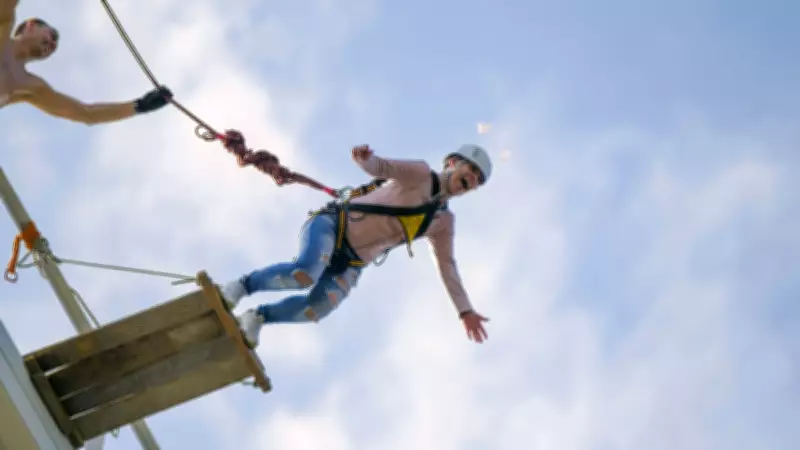
A lot of people lump rope jumping in with bungee jumping, but they're built on different physics entirely. Bungee cords are elastic, they stretch out and snap you back, which is where that bouncing motion comes from. Rope jumping uses static, low-stretch climbing rope instead, so once you fall, you don't bounce, you swing through a wide pendulum arc.
Because the rope barely gives, the math behind the jump has to be nearly exact. Rope length, anchor placement, your body weight, the arc you'll swing through, how much clearance there is before you'd hit anything, all of it has to be calculated correctly, every time. There's no 'close enough' in this sport. Get one number wrong, or skip one connection, and the outcome changes completely.
Don't Assume the Gear Has Already Been Checked
What happened in Brazil is a hard reminder that a safety inspection isn't just paperwork, it's the thing standing between a jumper and a 40-metre fall. Anyone about to jump should ask to actually watch the equipment get checked, not just be told it has been. Operators who take this seriously usually have more than one person verify the setup, specifically to catch the kind of human error that led to this tragedy.
Worth confirming before you go anywhere near the platform:
- Is the rope certified, climbing-grade gear, not something improvised?
- Does the harness actually fit, or is it just 'close enough'?
- Are the anchor points solid, and is there a backup system if the primary one fails?
- Does the equipment show signs of regular maintenance, or does it look worn and neglected?
If the staff seem rushed, evasive, or annoyed that you're asking questions at all, take that as your answer. A little awkwardness beforehand beats a lifetime of regret.
The Location Matters More Than the Photos Suggest
An old bridge or a dramatic cliff edge might make for a great Instagram post, but how it looks has nothing to do with whether it's actually safe to jump from. The bridge in the Brazil case had reportedly sat abandoned for years, and authorities are now sorting out who, if anyone, was responsible for keeping it maintained.
Before committing to a jump site, it's reasonable to ask whether the location is legally cleared for this kind of activity, whether it's had a recent safety inspection, whether emergency crews could actually reach it if something went wrong, and whether trained professionals, not just enthusiasts, are running the operation. A genuinely safe outfit will have spent as much time vetting the site as they spend prepping the jumper.
Weather and Your Own Physical State Matter Just as Much as Gear
Plenty of accidents in this sport have nothing to do with faulty equipment, they come down to conditions shifting mid-jump. Wind can throw off a swing path. Rain turns platforms and ropes slippery. Bad visibility makes it harder for the ground crew to communicate clearly with the jumper.

Your own body is part of the equation too. Jumping while exhausted, dehydrated, nursing an injury, or managing an underlying health condition adds risk that has nothing to do with how good the operator is. The National Institute of Arthritis and Musculoskeletal and Skin Diseases notes that sports injuries are more likely when technique is off, preparation is lacking, or the environment itself is risky, and rope jumping checks all three boxes if you're not careful. In the moment, it's easy to let excitement override a clear-eyed read of whether you're actually in shape to jump. Don't.
Ask What Happens If Something Goes Wrong, Before You Find Out the Hard Way
Most people walk into a jump only thinking about the jump itself. The better question is what the operator does if it doesn't go as planned. A legitimate company should be able to tell you, without hesitation, that they have trained rescue staff on site, first-aid supplies ready, a working communication system, a real evacuation plan, and a clear path to nearby medical care if it's needed.
If those answers come back vague or nonexistent, that's reason enough to walk away. The operators worth trusting are the ones who've spent real time preparing for the scenario they hope never happens.
The Rush Isn't Worth Skipping the Questions
There's a reason people keep showing up for rope jumping, the feeling of stepping off a platform into open air is hard to replicate anywhere else. And when it's run by experienced professionals with certified gear and tight protocols, it can be enjoyed with a reasonably high margin of safety.
But what happened in Brazil is a stark reminder of how little room this sport leaves for error. The most experienced adventurers aren't the fearless ones, they're the ones who know exactly when to ask hard questions, when to walk away, and when to put safety ahead of the adrenaline rush.
Because at the end of the day, the goal isn't just to jump. It's to land.
Disclaimer: This article is for informational purposes only and isn't a substitute for professional medical, adventure sports, or safety advice. Safety standards, regulations, and operating procedures vary by location and operator. Always consult trained professionals and follow local regulations before participating in any adventure sport.