

How Extreme Summer Heat Affects Your Car and What You Can Do
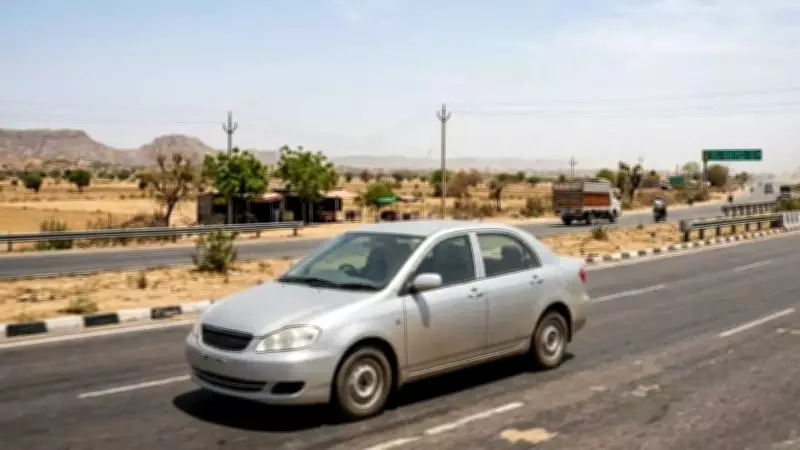
Extreme summer heat does more than just make you uncomfortable—it silently damages your vehicle, especially during Indian summers when temperatures frequently exceed 40 degrees Celsius. When your car sits parked under direct sunlight for extended periods, the impact intensifies, affecting everything from exterior paint to internal components.
Smart Parking Strategies to Minimize Heat Damage
The first line of defense against summer heat begins with where you park. Always seek shaded areas when leaving your vehicle. Even partial shade from a tree provides significant protection compared to direct sunlight exposure. If shaded parking isn't available, invest in a quality car cover. While it may seem like an extra step, this simple habit preserves your car's paint finish and keeps the interior cabin noticeably cooler. Over time, these practices help maintain your vehicle's appearance and resale value.
Proper Cooling Techniques for Hot Interiors
When returning to a sun-baked vehicle, resist the urge to immediately blast the air conditioning. Instead, open all doors or roll down windows completely to allow trapped heat to escape for at least one minute. This preliminary step reduces strain on your AC system and actually cools the interior faster. Once you start the engine, gradually increase the AC intensity rather than setting it to maximum immediately.

Protecting Interior Components from Sun Damage
Your dashboard and plastic interior components absorb direct sunlight, leading to premature fading and cracking. A windshield sunshade makes a substantial difference in reducing this damage. For vehicles with leather seats, which can become painfully hot, consider using breathable seat covers that provide protection while reducing wear over time.
Essential Under-the-Hood Maintenance
Heat places additional stress on critical engine components. Your cooling system becomes especially important during summer months. Regularly check engine coolant levels and condition—don't wait for warning indicators to appear. Similarly, ensure your engine oil is fresh and at proper levels, as summer is not the time to delay routine maintenance. Consider these essential checks:
- Monitor coolant levels weekly
- Change oil according to manufacturer recommendations
- Inspect hoses and belts for cracks or wear
- Clean radiator fins of debris
Tyre and Battery Considerations in High Temperatures
Tyres require special attention during summer as heat causes air inside to expand, potentially increasing pressure beyond safe levels. Check tyre pressure more frequently during hot months, maintaining manufacturer-recommended levels. Also inspect tyres for cracks or worn tread, as these conditions become particularly hazardous in extreme heat.
Your vehicle's battery suffers silently in high temperatures, with heat accelerating chemical reactions that shorten its lifespan. Watch for signs like slow engine cranking or dimming lights, and have your battery tested if you notice these symptoms. Preventive testing beats unexpected breakdowns during summer travel.
Planning for Summer Road Trips
When planning longer drives during summer, timing matters significantly. Avoid traveling during peak afternoon heat whenever possible—early morning or evening departures prove easier on both driver and vehicle. Always carry sufficient water and monitor your temperature gauge while driving. If the gauge begins climbing toward the red zone, don't ignore it. Pull over safely, allow the engine to cool, then continue your journey.
The Bottom Line: Simple Awareness Makes the Difference
Protecting your car from extreme summer heat doesn't require complicated procedures or expensive solutions. By developing a few simple habits and staying slightly more aware of your vehicle's needs during hot months, you can prevent most heat-related problems. Treat your car with this extra consideration during summer, and it will remain reliable when you need dependable transportation most.






