

Pakistan's Diplomatic Push for US-Iran Peace Talks Amid Escalating Tensions
The White House has confirmed that Pakistan is "very likely" to host the next round of peace talks between the United States and Iran, as Islamabad intensifies its diplomatic efforts to revive stalled negotiations. White House Press Secretary Karoline Leavitt stated during a press briefing that the discussions would "very likely be in the same place as they were last time", referring to Pakistan's capital where rare direct talks were previously held.
Pakistan's Crucial Mediation Role
Pakistan has emerged as the primary mediator in the conflict, with Leavitt emphasizing that "They are the only mediator in this negotiation, while there have been many countries around the world that want to offer their help." The diplomatic push comes as Pakistan's Chief of Army Staff General Asim Munir arrived in Tehran for high-level discussions, accompanied by Interior Minister Mohsin Naqvi. The delegation was received by Iranian Foreign Minister Abbas Araghchi, who later thanked Pakistan for "gracious hosting of dialogue" on social media.
This development represents a significant diplomatic effort to reinvigorate negotiations after nearly seven weeks of conflict between the US, Iran, and Israel. The previous "Islamabad Talks" ended without a breakthrough on key issues including Iran's nuclear program, with the US blaming Iran's refusal to abandon its nuclear ambitions and Tehran accusing Washington of "maximalism, shifting goalposts, and blockade."

US Naval Blockade Intensifies Economic Pressure
Even as diplomatic efforts continue, military tensions remain dangerously high. The United States has maintained a naval blockade on Iranian ports for a third consecutive day, significantly ramping up economic pressure on Tehran. US forces are monitoring and controlling access to Iranian ports with the aim of restricting Iran's oil exports, a crucial revenue source for the country.
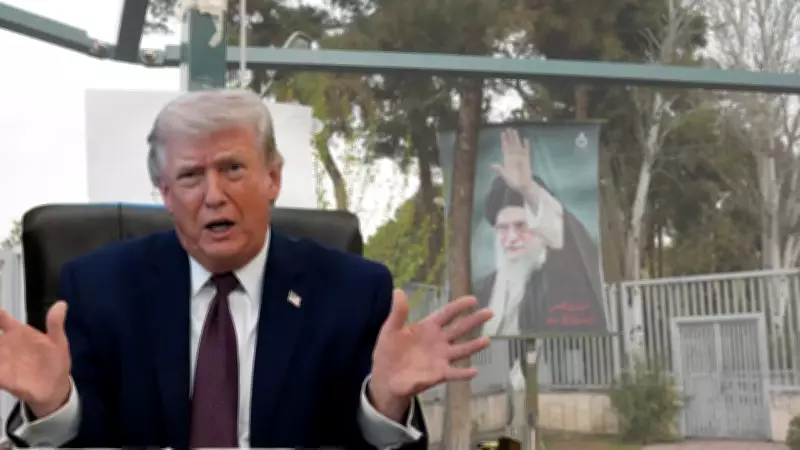
President Donald Trump reinforced this hardline stance with a dramatic announcement: "Effective immediately, the United States Navy, the Finest in the World, will begin the process of BLOCKADING any and all Ships trying to enter, or leave, the Strait of Hormuz." He issued a stark warning that "Any Iranian who fires at us, or at peaceful vessels, will be BLOWN TO HELL!"
While Washington maintains that non-Iran-linked shipping can still pass through the strategic waterway, military activity in the region has intensified significantly. The Revolutionary Guards have responded with their own warnings, cautioning that any misstep would trap adversaries in a "deadly" situation in the waterway that Tehran claims to fully control.
Global Economic Impact and Market Reactions
The escalating tensions have triggered significant market volatility. Oil prices have surged back above $100 per barrel amid fears of prolonged disruption to energy supplies through the Strait of Hormuz, which handles approximately one-fifth of the world's oil shipments. Global equities have declined as investors weigh the potential for broader economic consequences.
Analysts warn that the blockade risks being perceived as a continuation of hostilities, raising the possibility of further escalation that could include strikes on critical energy infrastructure with far-reaching global implications. The economic pressure extends beyond oil markets, with US officials warning of further sanctions on countries and entities doing business with Iran, described by one senior official as the "financial equivalent" of a bombing campaign.
Additional Diplomatic and Political Developments
Several other significant developments are unfolding simultaneously:

- China's Role Under Scrutiny: The White House revealed that Chinese President Xi Jinping has assured US President Donald Trump that Beijing is not supplying weapons to Iran during the ongoing conflict. However, US Treasury Secretary Scott Bessent warned Chinese banks of potential "secondary sanctions" if Iranian funds are traced through their accounts.
- Satellite Allegations: Reports emerged that Iran secretly acquired a Chinese satellite used to monitor and target US military bases across West Asia, though China has firmly denied these allegations as "fabricated rumours."
- Congressional Dynamics: The Republican-led Senate rejected a Democratic attempt to halt President Trump's war in Iran, marking the fourth time this year that the Senate has voted to cede its war powers to the president in this conflict.
- Ceasefire Clarification: The White House denied reports that the US had formally requested an extension of the ceasefire, with Leavitt stating that "nothing is official until you hear it from us here at the White House."
The situation remains fluid and highly volatile, with diplomatic efforts through Pakistan representing perhaps the most promising avenue for de-escalation even as military and economic pressures continue to mount. The coming days will be critical in determining whether negotiations can resume or whether the region will slide further into conflict with potentially devastating global consequences.





