Top 5 Safari Gates in North India for Tiger Spotting: Expert Guide
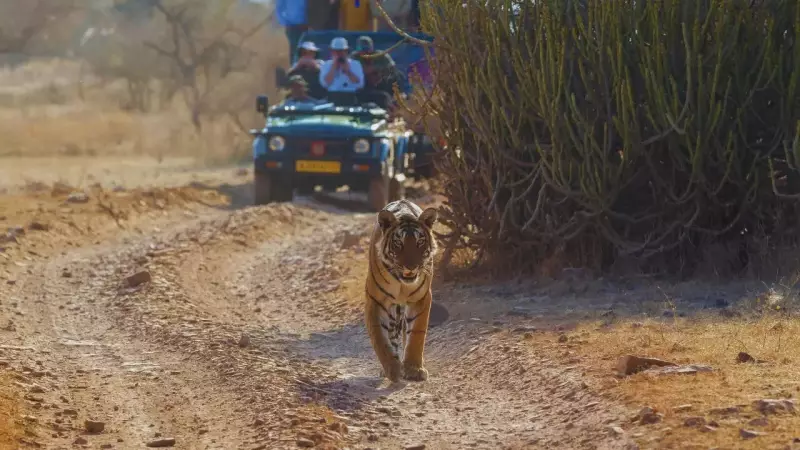
Seeing a tiger in the wild remains one of India's most thrilling wildlife experiences. North India boasts several tiger reserves that offer excellent habitats for these majestic cats. Conservation efforts and balanced prey populations make these parks ideal for tiger survival.
While no safari can guarantee a tiger sighting, certain gates and zones show higher tiger activity based on historical data and geography. Here are five safari gates in North Indian national parks that give you the best chances to spot tigers.
1. Zone 3 (Jogi Mahal Gate) - Ranthambore National Park, Rajasthan
Zone 3 in Ranthambore National Park, entered through the Jogi Mahal Gate, ranks among the most productive tiger ranges in North India. This sector features fascinating topography with lakes, rocky formations, dense forests, and ancient ruins.

Tigers often take refuge in these ruins and shaded areas during warmer hours. Permanent water bodies like Padam Talao and Rajbagh Talao attract animals consistently, making this zone particularly promising for sightings.
2. Zone 4 (Kala Gauda Gate) - Ranthambore National Park, Rajasthan
Zone 4, accessed via the Kala Gauda Gate, offers more open spaces with better visibility. The vegetation here allows easier detection of tigers as they move through forests or rest under scattered canopies.
This zone consists of scrub forests, grasslands, and slopes that serve as excellent hunting grounds for tigers. The landscape supports frequent tiger movements and clear viewing opportunities.
3. Dhikala Gate - Jim Corbett National Park, Uttarakhand
Dhikala represents the most famous and biodiversity-rich area within Jim Corbett National Park, India's oldest national park. The Dhikala range features grasslands, riverine forests, and the Ramganga reservoir.
These areas maintain rich habitats for prey species like deer and wild boars. Dhikala tigers often use grassland margins as pathways during early morning and late afternoon hours. Despite dense forests elsewhere in Corbett, Dhikala offers the highest probability for tiger sightings among all ranges.
4. Bijrani Gate - Jim Corbett National Park, Uttarakhand
Bijrani serves as another high-activity zone within Jim Corbett National Park. Characteristic sal forests, grasslands, and seasonal streams define this area.
Visitors frequently notice signs of tiger movement here, including pugmarks, scratch marks, and territorial scent markings. These indicators suggest strong, stable tiger territories. During winter and early summer, Bijrani becomes especially productive as wildlife movement increases along water channels and forest clearings.
5. Kishanpur Gate - Dudhwa Tiger Reserve, Uttar Pradesh
The Kishanpur Sanctuary, entered through the Kishanpur Gate, forms part of the Dudhwa Tiger Reserve. This sanctuary remains comparatively undisturbed by tourism pressure.
Tall grasslands, wetlands, and moist deciduous forests create habitats similar to traditional tiger grasslands. Lower tourist numbers allow for quieter safaris, which often improve wildlife behavior near tracks and increase sighting opportunities.
Planning Your Tiger Safari
When planning your tiger safari in North India, consider these practical tips:

- Timing matters: Early morning and late afternoon safaris typically offer better sighting chances as tigers become more active during cooler hours.
- Seasonal variations: Winter and early summer months often provide improved visibility as vegetation thins and animals congregate near water sources.
- Guide expertise: Experienced naturalists and guides significantly enhance your chances by reading animal signs and understanding tiger behavior patterns.
- Patience pays: Wildlife viewing requires patience and quiet observation. Multiple safaris increase your likelihood of memorable encounters.
- Conservation awareness: Remember that responsible tourism supports ongoing conservation efforts that protect these magnificent animals and their habitats.
These five safari gates represent some of North India's premier locations for tiger sightings. Each offers unique landscapes and conditions that support healthy tiger populations. While sightings can never be guaranteed, visiting these gates during optimal seasons with experienced guides gives you the best possible opportunity to witness India's national animal in its natural environment.