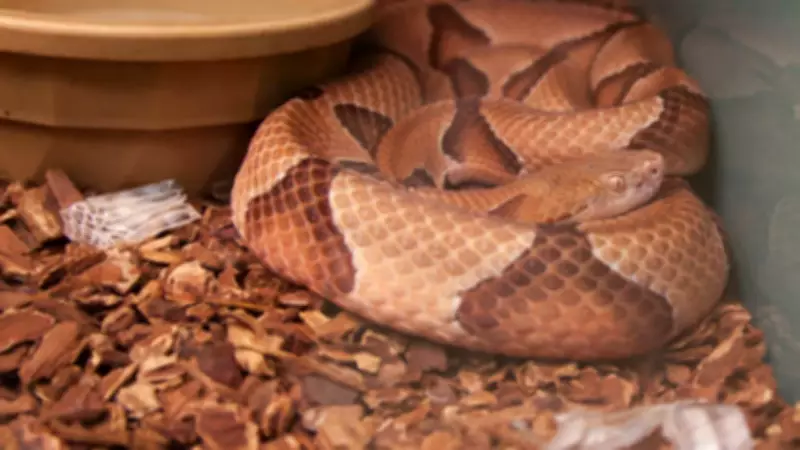
If you are the kind of person who gets genuinely excited about snakes instead of running away, you are not alone. A real community of people plans vacations specifically to catch a glimpse of these fascinating creatures in their natural habitat. America's national parks are packed with snake diversity, but not every famous park is equally great for spotting them. Some parks are just way better at it than others.
Big Bend National Park
Big Bend National Park hosts more snake species than any other national park in America. According to the official park inventory, 2,259 reptiles and amphibians were found at Big Bend during inventory efforts, representing 59 species total: nine frogs and toads, 21 lizards, 26 snakes, and three turtles. The park's desert landscape creates the perfect environment for snake diversity. The vast majority of Big Bend's snakes are non-venomous, and the most commonly seen snake is the western coachwhip, also known as the red racer. This snake is one of the fastest in North America and has been known to eat rattlesnakes.
Venomous snakes also get attention. Big Bend hosts four types of rattlesnakes—western diamondback, Mojave, black-tailed, and mottled rock—and the Trans-Pecos copperhead. However, snake bites are rare, with only about five victims dying annually in the entire U.S. Only one documented snake bite has occurred in Big Bend National Park history, involving a USGS researcher bitten by a copperhead in 2009 who recovered. When you understand the numbers, these snakes are far less scary than their reputation suggests.

The best time to visit Big Bend for snake spotting is late spring through early fall. Early morning hikes work perfectly because the temperature is warm enough that snakes are actively moving but not so hot that they have retreated underground to escape the sun. Unlike Yellowstone or the Grand Canyon, Big Bend remains relatively less crowded, meaning you will not be fighting through crowds of tourists to enjoy the experience.
Great Basin National Park
Great Basin National Park is often skipped by visitors, but that is exactly why you should consider it. The park is home to several snake species. The 2021 reptile bioblitz found five of those nine species: longnose snake, gopher snake, striped whipsnake, Great Basin rattlesnake, and wandering garter snake. Great Basin rattlesnakes are endemic to North America's largest desert, the Great Basin, and feed primarily on small mammals, lizards, and the occasional bird. The high-altitude location means summer temperatures stay moderate while lower deserts become unbearably hot. You will get much more solitude here than at the mega-parks, and the landscape—desert, pinyon-juniper forest, and alpine areas—creates multiple snake habitats within a small geographic area.
Arizona's Desert Parks
Saguaro National Park hosts six different species of rattlesnakes, with some like the Arizona black rarely seen while others like the western diamondback are fairly common. Saguaro's Sonoran Desert ecosystem is home to six rattlesnakes: the Arizona Black, Western Diamondback, Tiger, Sidewinder, and Mojave rattlesnakes. The park spans elevations from 2,670 feet to 8,666 feet, and different species thrive at different elevations.
Located in southern Arizona, Organ Pipe Cactus National Monument is the only place in the U.S. with large stands of organ pipe cacti in the wild. It has been designated a UNESCO Biosphere Reserve due to its biodiversity, which includes over 2,000 plant species, 300 bird species, and 100 reptile and amphibian species. The Sonoran Desert as a whole is where you go for reptile diversity. Organ Pipe Cactus and the Sonoran Desert are home to several snake species, including the native sidewinder rattlesnake. Spring visits, particularly March through April, work well because the temperature is moderate and prey species are more active, which brings snakes out of hiding.

The Everglades National Park
The Everglades represents a completely different kind of snake-spotting destination. The National Park Service lists 29 snake species in Everglades National Park, with four venomous species: pygmy rattlesnake, cottonmouth, coral snake, and Eastern diamondback. What makes the Everglades fascinating is the invasive species angle. Non-native Burmese pythons have established a breeding population in South Florida and are one of the most concerning invasive species, competing with native wildlife for food. If you want to visit for snake spotting, December through March is your window. The dry season concentrates wildlife around water sources, and paddling through mangrove channels gives you legitimate chances to spot water moccasins and various water snake species. Just remember that alligators and crocodiles share this space too, so it is an entire ecosystem working together—and you need to be aware of everything around you.
Actually Seeing Snakes: What Matters Most
Here is the honest truth: you need patience and observation. Early morning is almost always better than afternoon because snakes are more active when temperatures are not extreme. Wear good hiking boots, bring plenty of water, and move slowly while paying attention to your surroundings. If you can hire a guide, do it—they know local patterns and can educate you safely.
Respect these animals. They are not there for your benefit. Some days you will not see anything, and that is okay. Other days you will have an encounter that genuinely changes how you think about snakes. That experience—quiet, real, unexpected—is why people plan trips around these parks. The best snake-spotting experiences happen when you approach it with genuine curiosity rather than entitlement. Go early in the season, watch where you step, and understand that you are visiting someone else's home.