In a revelation that has reshaped the map of Indian tourism, Uttar Pradesh has astonishingly emerged as the country's most visited state in 2025. This landmark finding comes from the recently released Cleartrip Unpacked 2025 report, highlighting a significant shift in travel patterns within the nation. The data underscores a dynamic evolution in India's tourism landscape, with the northern state becoming an irresistible magnet for travelers seeking spirituality, history, and culture.
The Numbers Behind the Boom
The scale of Uttar Pradesh's tourism dominance is monumental. According to the India Tourism Data Compendium 2025 published by the Ministry of Tourism, the state recorded a staggering 646.8 million domestic tourist visits during the year. This colossal figure means that Uttar Pradesh alone accounted for nearly 22% of all domestic tourism in India. The Cleartrip report further illuminated this trend by tracking "stay searches," a key indicator of travel intent, which saw massive spikes for cities like Prayagraj and Bareilly.
Driving this surge were younger travelers. Bookings from Gen Z tourists skyrocketed, showing an unprecedented 650% increase year-on-year. Another notable trend was the remarkable growth in solo travel, particularly among visitors originating from major metros like Delhi and Bengaluru. While other destinations such as Himachal Pradesh, Jaipur, and Agra remained popular, none matched the sheer volume and growth witnessed in Uttar Pradesh.

Why Uttar Pradesh? The Holy Triangle and Beyond
The state's triumph is no accident; it is the result of its unparalleled cultural and spiritual wealth. Uttar Pradesh, India's most populous state, is a treasure trove of ancient temples, Mughal monuments, and legendary pilgrimage sites. The year 2025 saw the powerful convergence of several key factors, primarily centered around what tourism experts call the "holy triangle" of UP.
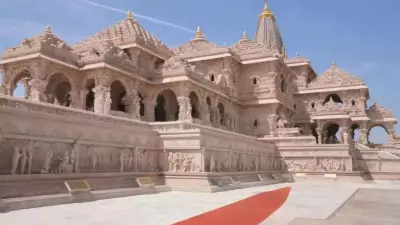
This triangle comprises Varanasi, one of the world's oldest continuously inhabited cities; Prayagraj, which hosted the monumental Maha Kumbh Mela in January-February 2025; and Ayodhya, which witnessed a massive influx of devotees following the inauguration of the Ram Mandir. Together, these cities formed a powerful spiritual circuit that attracted millions from across India and the globe.
Top Five Cities Driving Visits
Nearly 67% of all visitors to Uttar Pradesh were drawn to its five premier cities: Ayodhya, Varanasi, Mathura, Prayagraj, and Agra.
Ayodhya: The revered birthplace of Lord Ram transformed into a top spiritual destination, with its ancient temples and serene Sarayu ghats drawing countless pilgrims.
Agra: Home to the iconic Taj Mahal, a UNESCO World Heritage Site and one of the Seven Wonders of the World, the city continued to be a prime draw for international tourists, history buffs, and photographers, alongside other Mughal marvels like the Agra Fort.
Mathura: As the birthplace of Lord Krishna, this city solidified its position as a major pilgrimage center. Its vibrant celebration of Holi also attracted curious travelers and photographers from around the world.
Prayagraj: The spiritual significance of the Triveni Sangam—the confluence of the Ganga, Yamuna, and mythical Saraswati rivers—was magnified by the Maha Kumbh Mela, drawing millions for sacred rituals and a unique cultural experience.
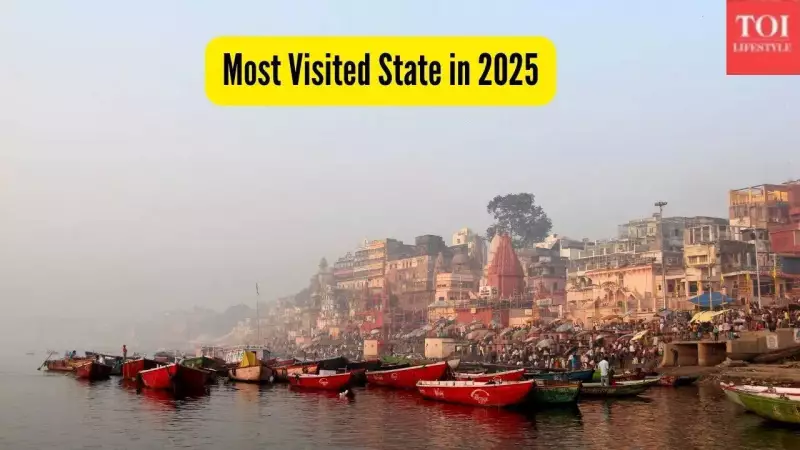
Varanasi: With its powerful spiritual aura, ancient ghats, mesmerizing evening aartis, and the revered Kashi Vishwanath Temple (a Jyotirlinga site), Varanasi remained an eternal favorite for seekers and tourists alike.
A New Chapter for Indian Tourism
The ascent of Uttar Pradesh to the top of India's tourism chart marks a pivotal moment. It reflects a growing domestic appetite for immersive cultural and spiritual experiences beyond traditional leisure travel. The data signals a robust recovery and reconfiguration of the travel sector post-pandemic, led by the aspirations of a young, experience-seeking generation and major infrastructural and religious developments within the state. This trend is set to redefine economic opportunities and cultural exchanges in the heart of India for years to come.