Uttar Pradesh and Japan Forge Deeper Cultural and Tourism Ties
In a significant development, Uttar Pradesh and Japan are moving to strengthen their bilateral engagement beyond traditional economic cooperation. The focus is now expanding to encompass tourism, cultural exchanges, and people-to-people connections, marking a strategic shift towards more enduring partnerships.
Roadmap for Enhanced Collaboration Discussed
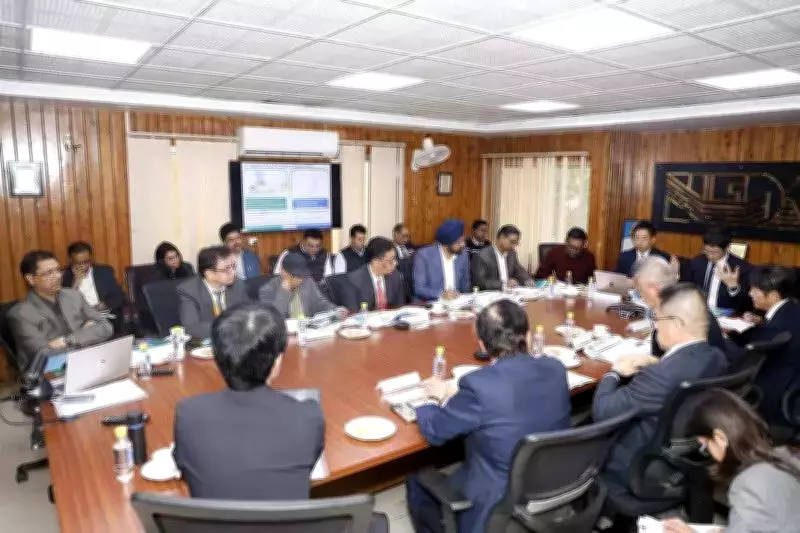
The blueprint for this expanded cooperation was outlined during a high-level meeting between a Japanese delegation from Yamanashi prefecture and officials from the Uttar Pradesh government. The Japanese team was led by Vice-Governor Junichi Ishidera, while the UP side was headed by Tourism and Culture Minister Jaiveer Singh.
Addressing the gathering, Minister Singh emphasized that culture serves as one of the strongest bridges between India and Japan. This connection is deeply rooted in shared civilizational values and a profound Buddhist legacy that spans centuries. While economic collaboration remains important, Singh highlighted that tourism and cultural exchanges offer a more sustainable foundation for long-term engagement between the two regions.

UP's Unique Position in Buddhist Tourism
Singh elaborated on Uttar Pradesh's distinctive role in the Buddhist world, noting that the state brings together all major stages of Lord Buddha's life within a single geographical area. Apart from Bodh Gaya in neighboring Bihar, key Buddhist pilgrimage sites such as Sarnath, Kushinagar, and Kapilvastu are located within UP's boundaries.
The minister assured that Uttar Pradesh is fully prepared to welcome Japanese tourists and investors with enhanced hospitality infrastructure and investor-friendly policies. The state is particularly focusing on emerging sectors like wellness tourism, which is experiencing growing global demand and aligns well with both Indian and Japanese traditions.
Philosophical and Spiritual Connections
Additional Chief Secretary for Tourism, Culture, and Religious Affairs, Amrit Abhijat, highlighted how Japanese philosophical concepts resonate deeply with India's spiritual traditions. Ideas such as Ikigai (finding purpose), Wabi Sabi (embracing imperfection), and Zen (meditative practice) could shape innovative pathways for wellness and cultural tourism between the two regions.
Abhijat also pointed to the continued presence of Japanese Buddhist institutions in Sarnath and Kushinagar as tangible evidence of a long-standing spiritual connection that predates modern diplomatic relations.
Diverse Tourism Opportunities Beyond Pilgrimage
Beyond traditional pilgrimage tourism, officials identified multiple avenues for collaboration:
- Sports Tourism: Development of golf courses in Agra, Lucknow, and Varanasi
- Culinary Experiences: Promotion of cuisine-led tourism exchanges
- Literary and Cultural Exchange: Facilitation of artistic and intellectual dialogues
- Medical Tourism: Leveraging India's healthcare expertise for Japanese visitors
- Learning-Based Travel: Educational and skill development exchanges
Upcoming Initiatives and Delegation Visits
Minister Singh revealed plans to organize a UP festival in Japan around April-May, which would serve as a comprehensive platform to showcase the state's rich culture, heritage, and tourism potential to Japanese audiences.
Vice-Governor Ishidera confirmed that since the signing of a Memorandum of Understanding in December 2024, UP and Yamanashi prefecture have engaged in a series of meaningful discussions aimed at building a sustained partnership. Yamanashi aspires to act as a gateway for Uttar Pradesh in Japan, actively promoting its tourism destinations and broader engagement opportunities.
In a significant development, Ishidera announced that a delegation of over 200 Japanese members is scheduled to visit Uttar Pradesh in August. The itinerary includes proposed visits to Varanasi, Sarnath, and other key cultural sites, with a focus on spiritual, cultural, and policy engagement that promises to deepen bilateral ties further.