Uttar Pradesh Announces India's First National Cow Culture Museum in Mathura
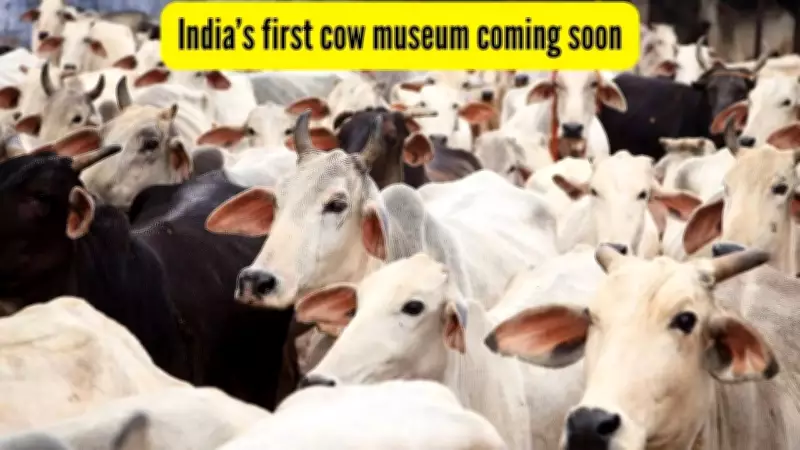
In a significant move to enhance tourism and cultural preservation, the Uttar Pradesh government has unveiled plans to establish India's pioneering National Cow Culture Museum in the historic city of Mathura. This ambitious project is designed to honor the nation's profound cultural, spiritual, and scientific ties to cows, positioning it as a unique educational and tourist destination.
Museum Location and Development Details
The museum will be constructed on the grounds of the Pandit Deendayal Upadhyaya Veterinary Science University, leveraging its academic resources to ensure authenticity and depth in exhibits. According to official sources, the facility aims to transcend traditional museum boundaries by serving as an interactive educational hub where visitors can engage with India's cattle heritage.
Exhibits and Interactive Features
The museum will boast over 100 digital and physical displays, meticulously curated to showcase a wide array of Indian cattle breeds, including prominent indigenous and endangered varieties. Key highlights include:

- Religious and Cultural Displays: Exhibits focusing on the spiritual significance of cows in Indian traditions, highlighting their role in Hinduism and other cultural practices.
- Scientific and Nutritional Insights: An interactive exhibition dedicated to cow milk and dairy products such as curd, ghee, cheese, and buttermilk, explaining their nutritional benefits and scientific value.
- Cattle Breed Showcases: Digital and symbolic models of indigenous cattle breeds from across India, offering visitors a comprehensive view of the country's rich milk heritage and cattle diversity.
Additionally, dairy parlors will be integrated into the visitor experience, allowing hands-on learning about dairy production and sustainability practices.
Educational and Tourism Goals
Planners emphasize that the museum will function as an educational space, enlightening the public on:
- The religious and spiritual traditions associated with cows in India, fostering cultural appreciation.
- Scientific perspectives on cattle genetics, dairy science, and sustainable farming methods, promoting awareness of agricultural advancements.
By combining these elements, the project aims to attract both domestic and international tourists, boosting Mathura's status as a key stop in Uttar Pradesh's spiritual tourism circuit.
Mathura's Tourism Appeal
Mathura, revered as a major pilgrimage site, is already a cornerstone of spiritual tourism in India. Visitors to the region can explore several iconic attractions steeped in mythology and living traditions, including:
- Shri Krishna Janmabhoomi: Believed to be the birthplace of Lord Krishna, this site is a spiritual retreat for devotees.
- Dwarkadhish Temple: Famous for its grand celebrations during Holi and Janmashtami, drawing large crowds annually.
- Vishram Ghat: A sacred spot where Lord Krishna is said to have rested after defeating Kansa.
- Government Museum and Gita Mandir: Additional landmarks that enrich the cultural and religious itinerary for travelers.
Together, these sites make Mathura a must-visit destination, particularly for followers of Radha and Krishna, and the new museum is expected to further enhance its appeal.
The establishment of the National Cow Culture Museum represents a forward-thinking initiative by the Uttar Pradesh government, blending cultural heritage with modern educational tools to create a lasting impact on tourism and public awareness.