

Brain-Eating Amoeba Returns to Kerala: 133 Infected, 33 Dead in 2026
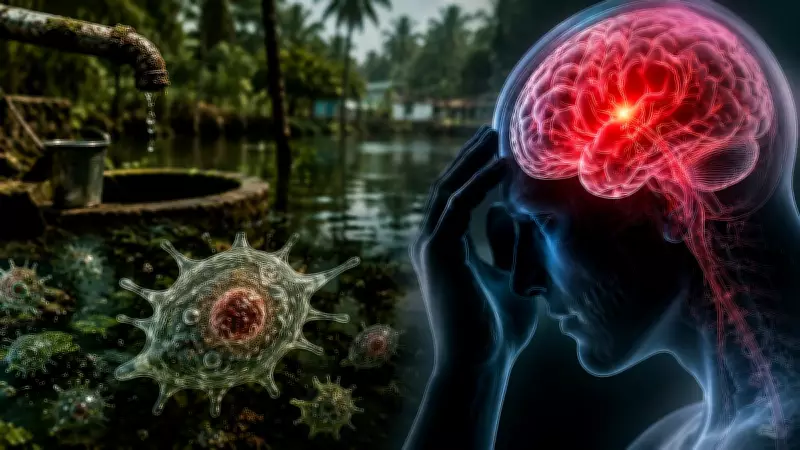
Kerala is once again grappling with a resurgence of the rare and often fatal 'brain-eating amoeba' infection. As of 2026, the state has reported 133 cases and 33 deaths linked to this dangerous pathogen. The infection, caused by free-living amoebae found in contaminated water and soil, has emerged as a growing public health concern.
What is the Brain-Eating Amoeba?
The amoeba, scientifically known as Naegleria fowleri, is a microscopic organism that thrives in warm freshwater environments such as lakes, ponds, and poorly maintained swimming pools. It can also be found in soil. Infection occurs when contaminated water enters the body through the nose, typically during activities like swimming or bathing. The amoeba then travels to the brain, causing a rare but devastating condition called primary amebic meningoencephalitis (PAM).
Symptoms and Treatment
Symptoms of PAM usually appear within 1 to 9 days after exposure and include severe headache, fever, nausea, vomiting, stiff neck, and confusion. As the infection progresses, it can lead to seizures, hallucinations, and coma. The disease progresses rapidly, often leading to death within a week. Treatment options are limited, but early diagnosis and aggressive therapy with antifungal and antimicrobial drugs may improve survival chances.

Why is Kerala Affected?
Kerala's warm climate and abundant water bodies create ideal conditions for the amoeba to thrive. The state has seen sporadic outbreaks in the past, with cases often linked to unsafe water practices. The recent surge in 2026 has raised alarms among health officials, who are urging the public to take preventive measures.
Preventive Measures
To reduce the risk of infection, health authorities recommend avoiding swimming or bathing in warm freshwater bodies, especially during hot weather. Using nose clips or keeping the head above water can also help. For households, ensuring that drinking water is properly treated and stored is crucial. The government has launched awareness campaigns to educate the public about the dangers of the amoeba and the importance of water safety.
Public Health Response
The Kerala government has intensified surveillance and testing for suspected cases. Hospitals are being equipped with diagnostic facilities, and medical staff are being trained to identify and manage PAM. The state has also issued advisories for local bodies to monitor water quality and take corrective actions where needed. Despite these efforts, the rising number of cases underscores the need for sustained public health interventions and community participation.
The return of the brain-eating amoeba is a stark reminder of the hidden dangers in natural water sources. As Kerala battles this outbreak, vigilance and preventive measures remain the best defense against this rare but deadly infection.






