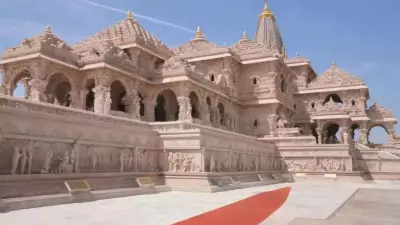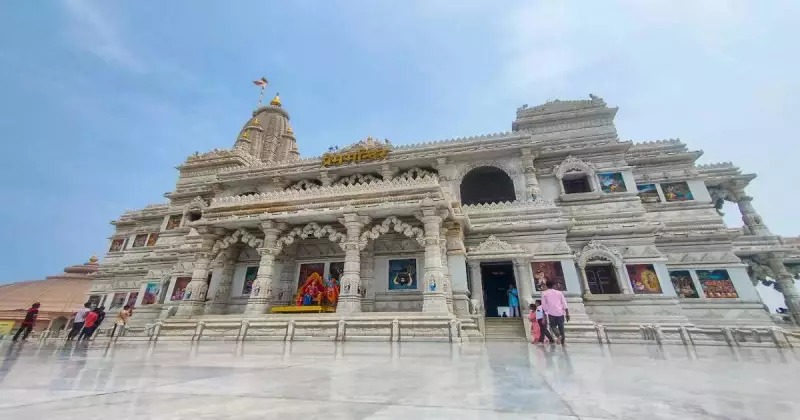
For countless devotees, Vrindavan is not merely a pilgrimage destination; it is a profound emotion, the very thought of which brings peace. Known as the land of Kanha, the home of Radha, and the stage for divine leela, it stands as the ultimate spiritual goal. However, a recent, deeply personal account shared on social media has peeled back the layers of devotion to reveal a troubling reality that challenges this serene image.
A Pilgrimage That Left a Devotee Heartbroken
Seema Govind, a woman who traveled to Vrindavan seeking permanent solace and peace, returned with a broken heart. Her experience, shared candidly on Instagram, has ignited an uncomfortable but necessary debate about the state of pilgrimage tourism not just in Vrindavan, but across many of India's religious hubs. Her story is a stark reminder that the gap between spiritual aspiration and on-ground reality can be vast and disillusioning.
Vrindavan, a prominent historical city in Uttar Pradesh, forms the heart of the 'Krishna pilgrimage circuit,' which includes Barsana, Mathura, Govardhan, Puri, Kurukshetra, and Dwarka. It is believed to be where Lord Krishna spent his childhood and is home to around 5,500 temples dedicated to Krishna and Radha, making it one of the most sacred sites for Vaishnavas.

The Commercialization of Faith and Environmental Neglect
Govind's critique highlights several systemic issues. Foremost is the growing culture of VIP darshan, which has transformed equal spiritual spaces into segregated zones. Access to deities and temple sanctums increasingly depends on one's capacity to pay, turning an act of devotion into a commercial transaction and fostering a sense of exclusion among ordinary devotees.
She also points to the proliferation of fake stories and emotional narratives fabricated to extract donations from pilgrims. This unchecked fundraising, lacking transparency and accountability, creates what she describes as an environment of 'loot' in the name of religion.
The physical state of the town outside temple premises further compounds the problem. Despite the millions of rupees flowing in, visitors are greeted by dirt, chaos, and neglect. The condition of the Yamuna river around Mathura and Vrindavan serves as the most heartbreaking symbol of this disconnect. Devotees worship the river, yet its banks are strewn with plastic, sewage, and toxic froth—a jarring contrast between reverence and environmental abuse.
A Disturbing Account and a Call for Introspection
Perhaps the most alarming part of Govind's narrative involves a 15-year-old girl she met. The girl shared troubling experiences of exploitation, which were dismissed by her mother as 'God's plan.' This incident sheds light on a grave danger: when blind faith goes unchecked, religious environments can become breeding grounds for exploitation, hidden behind the cloak of devotion.
Govind's account is not an attack on faith but a powerful call for collective introspection. It underscores that when faith becomes a shield for exploitation, it is not just the physical place that suffers, but the very values religion aims to uphold. The infrastructure, cleanliness, and safety measures in these towns are grossly inadequate for the scale of footfall they receive.
Her message is clear: it is time for accountability. If every stakeholder does their part, these sacred spaces can be preserved and made safer, cleaner, and more equitable for future generations. The conversation she started is a crucial step towards reconciling deep-rooted devotion with dignified and transparent practice.